Study reveals Japan's tectonic forces shaped Grand Canyon's formation
A study links tectonic activity near Japan to the formation of the Grand Canyon, revealing that subduction zones influenced the uplift of the Colorado Plateau, enabling the Colorado River to carve th…
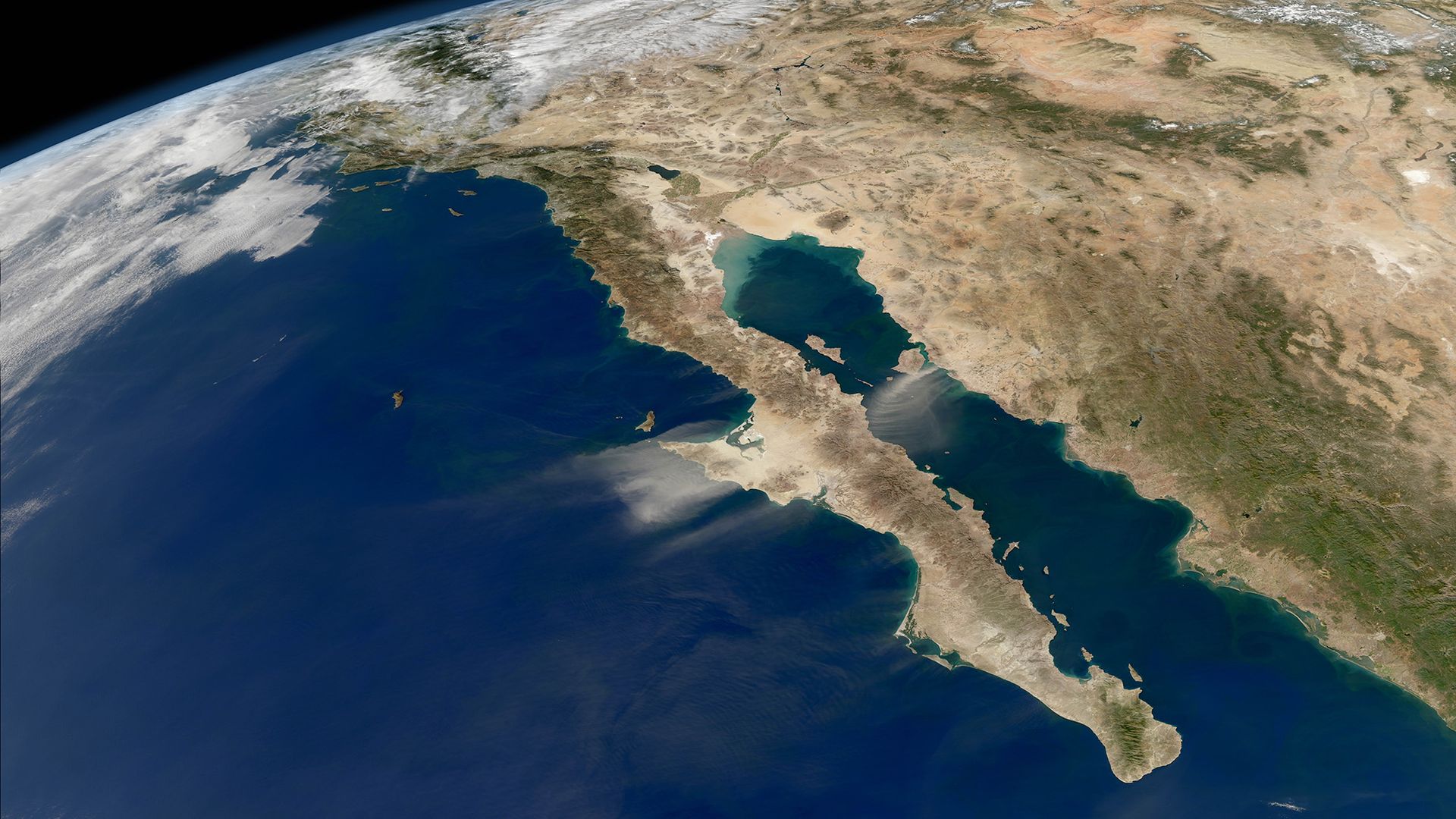
Scientists have linked the slow, deep‑earth forces off Japan’s coast to the Grand Canyon’s creation. A recent study shows that a double subduction zone beneath the Pacific Ocean accelerated rifting halfway around the world, pushing up the Colorado Plateau and allowing the Colorado River to carve its iconic gorge.
The link comes from how tectonic plates move. The Pacific plate slides beneath the Philippine Sea plate and the Japanese island arc, creating two zones of subduction. The stress from this deep‑earth activity travels across the planet, tightening the crust over the Colorado Plateau. The tightening raises the land, giving the river a steep gradient that speeds erosion. The research, published in Nature Geoscience, used seismic imaging and computer models to trace the stress pathways and match the timing of uplift to the canyon’s formation.
The study’s authors say the uplift began about 6–8 million years ago, just when the Colorado River started cutting the canyon. They estimate the plateau rose at a rate of 1–2 millimetres per year, enough to drive the river’s incision. Geologists are excited because it shows that distant plate boundaries can influence continental landscapes. It also explains why the canyon’s walls are so steep and why the plateau has remained so high for millions of years.
Future work will refine the stress‑propagation models and look for similar links in other parts of the world. If distant plate motions can shape local landscapes, scientists may better predict how mountain ranges grow and how rivers carve their paths. The findings also hint that climate and sea‑level changes could interact with tectonics in unexpected ways, reshaping how we think about Earth’s dynamic surface.
Read Full Story at Live Science →