UC San Diego researchers use carbon monoxide to activate cancer drugs
Researchers at UC San Diego have developed a drug-delivery system that uses carbon monoxide produced by tumor cells to activate chemotherapy agents within those cells, effectively killing cancer whil…
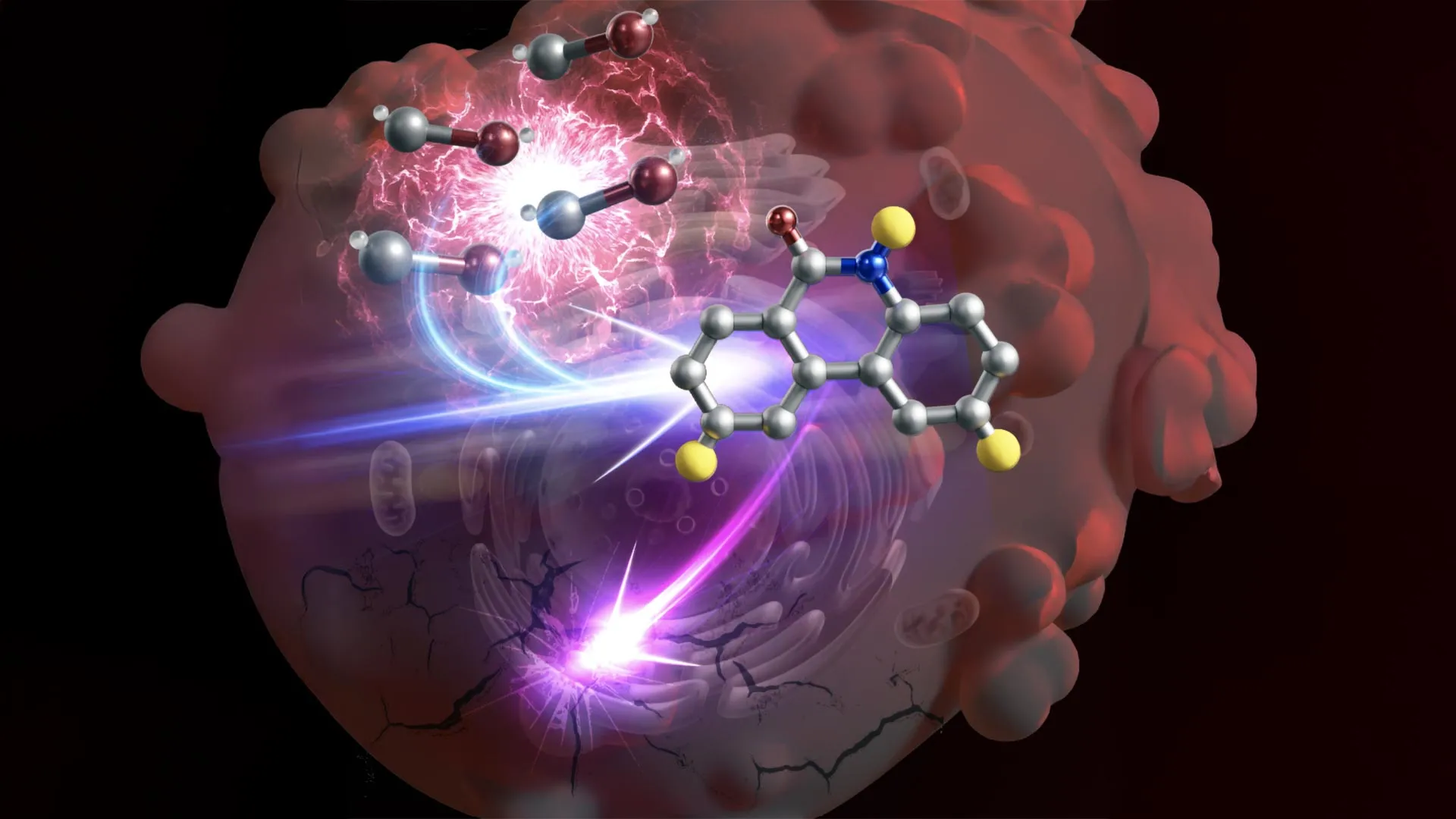
Scientists at the University of California, San Diego announced on Monday that they have engineered a drug‑delivery system that uses carbon monoxide (CO) naturally produced by tumor cells to manufacture toxic chemotherapy agents inside those same cells, killing the cancer while leaving healthy tissue untouched. The approach, detailed in a paper published in *Nature Chemistry*, relies on a specially designed prodrug that only activates when it encounters the elevated CO levels found in many solid tumours.
Tumours often overexpress the enzyme heme oxygenase‑1, which breaks down heme and releases CO as a by‑product. That excess CO has long been considered a marker of aggressive disease, but it also offers a biochemical “switch” that can be exploited for targeted therapy. Conventional chemotherapy floods the body with drugs that cannot distinguish cancer from normal cells, causing severe side effects. Researchers have therefore been searching for ways to trigger drug activation only within the tumour microenvironment. The new study builds on earlier work that used enzymes, acidity, or reactive oxygen species as triggers, adding CO to the toolbox because it diffuses readily within tumours and is present at concentrations high enough to drive the chemical reaction without harming surrounding tissue.
The team synthesized a CO‑responsive molecule that remains inert until it binds CO, at which point it undergoes a rapid rearrangement to release a potent alkylating agent. In cell‑culture experiments, the prodrug killed more than 90 % of CO‑producing cancer lines while sparing non‑cancerous cells that lack the enzyme. In mouse models of breast and lung cancer, a single dose reduced tumour volume by up to 70 % with no observable toxicity in the liver, kidneys, or blood counts. Lead author Dr. Maya Patel said the selectivity stemmed from the fact that normal tissues produce only trace CO, insufficient to activate the drug.
The researchers plan to move into larger animal studies to assess long‑term safety and dosing schedules before seeking regulatory approval for first‑in‑human trials. If successful, the CO‑triggered system could become a platform for delivering a range of chemotherapeutics, offering a more precise alternative to current regimens. Oncology experts caution that many promising pre‑clinical strategies fail in humans, but they note that the study represents a creative use of tumour biology that could reshape how chemotherapy is administered.
Read Full Story at ScienceDaily →