Paleontologists discover unique Jurassic belemnite species in Wyoming
Paleontologists have uncovered a new species of belemnite, a Jurassic cephalopod with a unique barrel-shaped body, in Wyoming, challenging previous assumptions about the diversity of these ancient ma…
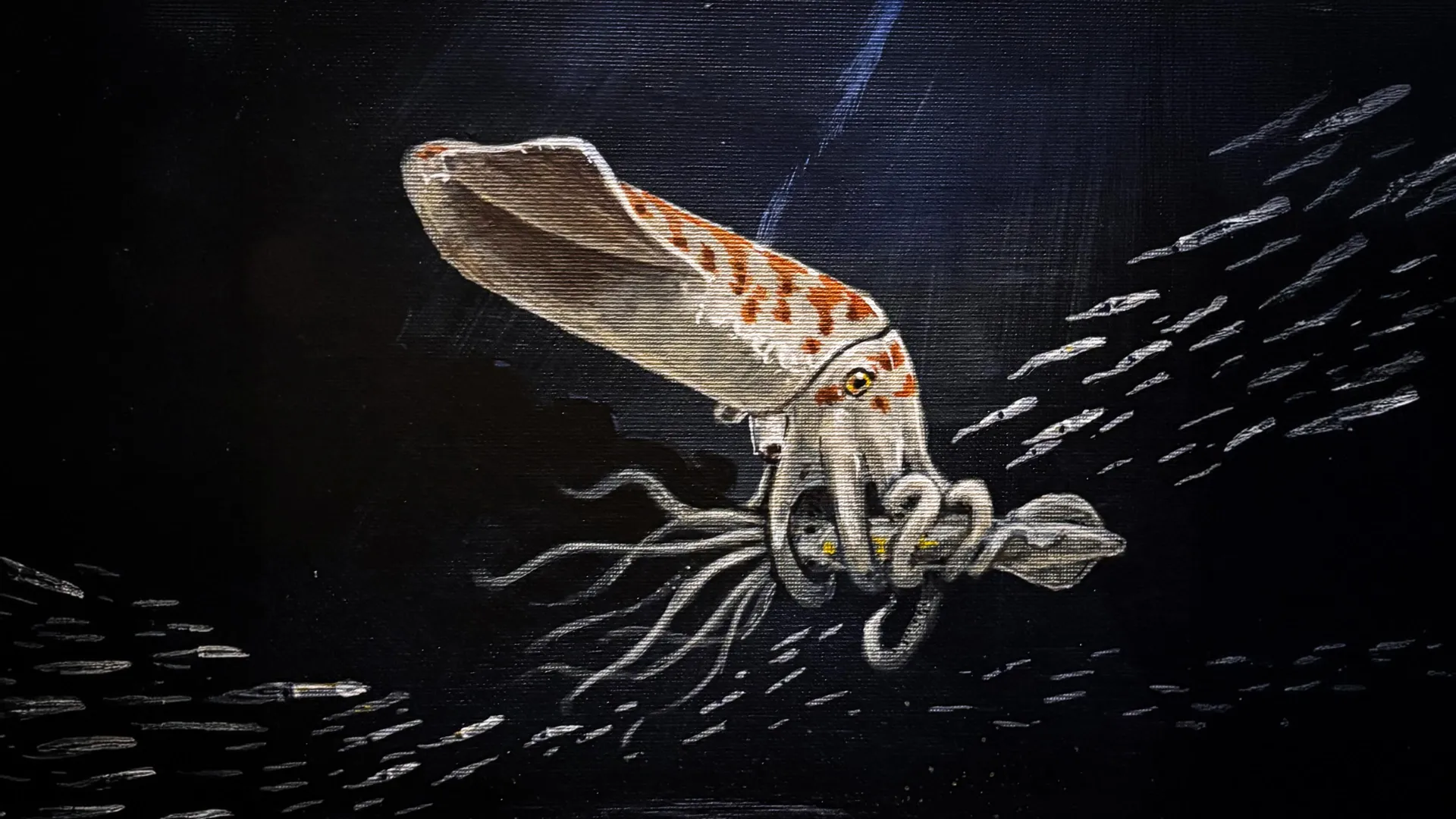
Paleontologists in the United States have identified a new species of belemnite, a prehistoric cephalopod related to modern squids and cuttlefish, that looks less like a sleek hunter and more like a floating barrel. The fossil, discovered in Wyoming, is the largest known example of its kind and dates back approximately 160 million years to the Middle Jurassic period. Unlike the typical slender, torpedo-shaped belemnites often found in rock formations, this creature possessed a robust, cylindrical body that appears to have been exceptionally heavy for its size. The discovery challenges long-held assumptions about the physical diversity of these ancient marine animals, suggesting that nature experimented with body shapes in ways that previous collections had not revealed.
The significance of this find lies in its implications for the evolutionary history of cephalopods. Belemnites were once thought to have gone extinct at the end of the Cretaceous period, roughly 66 million years ago, alongside the dinosaurs. However, recent studies have pushed back the timeline of their disappearance, indicating that some lineages survived longer than previously believed. This specific fossil represents a rare survivor from a family that was thought to be vanishing during the Jurassic. Its bizarre morphology suggests a specialized ecological niche, possibly involving ambush predation on smaller squid-like animals. The sheer mass of the shell implies that the animal had to expend significant energy to swim, a trade-off that likely offered protection from larger predators or allowed it to dive to depths where competition was lower.
The discovery was made possible by a combination of advanced imaging techniques and a renewed focus on under-studied fossil beds in the western United States. Researchers used micro-CT scanning to analyze the internal structure of the fossil without damaging the delicate outer shell. This non-invasive method revealed details about the creature’s buoyancy control system, which was likely more complex than that of its slender relatives. The internal chambers were arranged in a way that suggests the animal could rapidly adjust its depth, a capability essential for a predator that relied on surprise rather than sustained speed. These findings provide a clearer picture of how these animals lived, breathed, and moved through the warm, shallow seas that once covered what is now the American West.
This research opens new avenues for understanding the resilience of marine ecosystems during the Mesozoic era. By identifying a large, robust belemnite in the Jurassic, scientists can better map the geographic and temporal spread of these creatures. It suggests that belemnites were not just a fleeting evolutionary experiment but a diverse group that adapted to various environments over millions of years. Future excavation efforts may uncover more specimens of this unusual type, potentially revealing a broader community of strange marine life. Understanding how these animals survived and eventually faded away offers valuable context for current debates about the stability of modern ocean ecosystems, reminding us that the history of life on Earth is filled with unexpected survivors and sudden collapses.
Read Full Story at ScienceDaily →