NASA invites applications for 30 new astronaut candidates by January
NASA is accepting applications for up to 30 new astronaut candidates until the end of January, aiming to enhance its workforce for upcoming lunar and Mars missions. The agency seeks a diverse pool of…
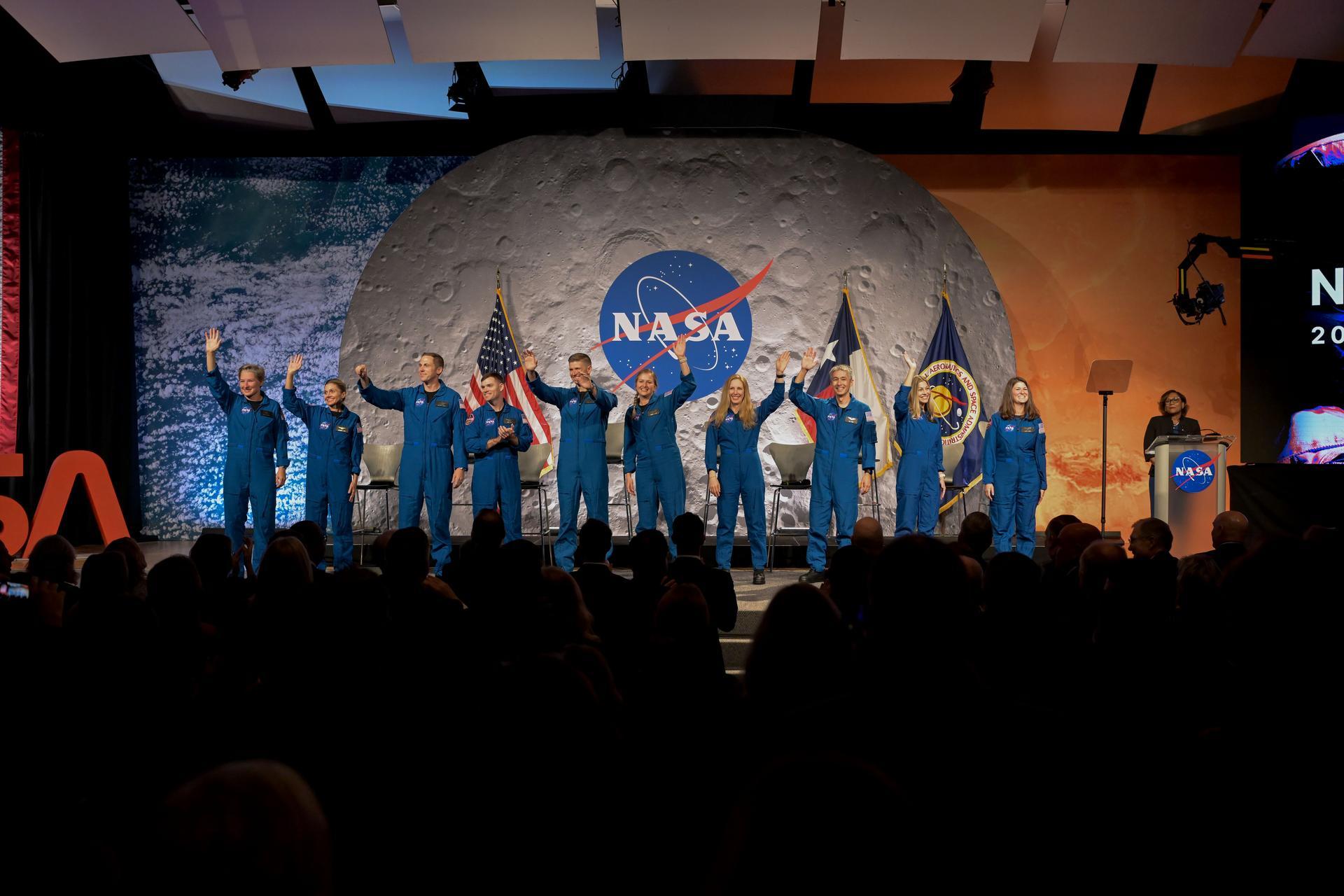
NASA opened applications on Tuesday for its next class of astronaut candidates, inviting up to 30 new explorers to join the agency as it prepares to return to the Moon, build a lunar outpost and set the stage for crewed missions to Mars. The call for applicants runs through the end of January, and the agency says it will announce the new class by late summer.
The recruitment comes as NASA’s Artemis program moves from testing to operational flights. Artemis I and II have already demonstrated the Space Launch System and Orion capsule in orbit, and Artemis III is slated to land astronauts on the lunar South Pole in 2025. A permanent lunar base, known as Artemis Base Camp, is planned for the late 2020s, and the experience gained there will feed into the first human journey to Mars in the 2030s. Adding fresh talent now helps the agency keep pace with ambitious timelines and the growing role of commercial partners in deep‑space exploration.
Applicants must be U.S. citizens with a bachelor’s degree in engineering, physical science, biological science, mathematics or computer science, and must have at least three years of relevant professional experience. A master’s degree or advanced training can substitute for some experience. Candidates will undergo a rigorous selection process that includes medical exams, psychological testing and multiple interview rounds. NASA says it is looking for a diverse pool, emphasizing underrepresented groups, military veterans, scientists and engineers from the private sector. The agency expects to receive several thousand submissions, similar to the 2021 class that attracted over 12,000 applicants.
If selected, the new astronauts will begin a two‑year training pipeline that blends classroom instruction, underwater simulations, flight training and long‑duration habitat work. The curriculum is designed to prepare them for lunar surface operations, habitat construction and the science of living on another world. Successful graduates will be eligible for upcoming Artemis missions, including the first crewed landing on the Moon’s south pole and, eventually, the crewed Mars flyby planned for the early 2030s. Their addition signals NASA’s commitment to maintaining a steady flow of talent as humanity pushes farther into space.
Read Full Story at NASA →