NASA unveils PROMISE lunar rover for 2028 Artemis mission to Moon
NASA's new lunar rover, PROMISE, is set to launch in 2028 as part of the Artemis program to support sustainable human presence on the Moon. It will map resources and test technologies essential for f…
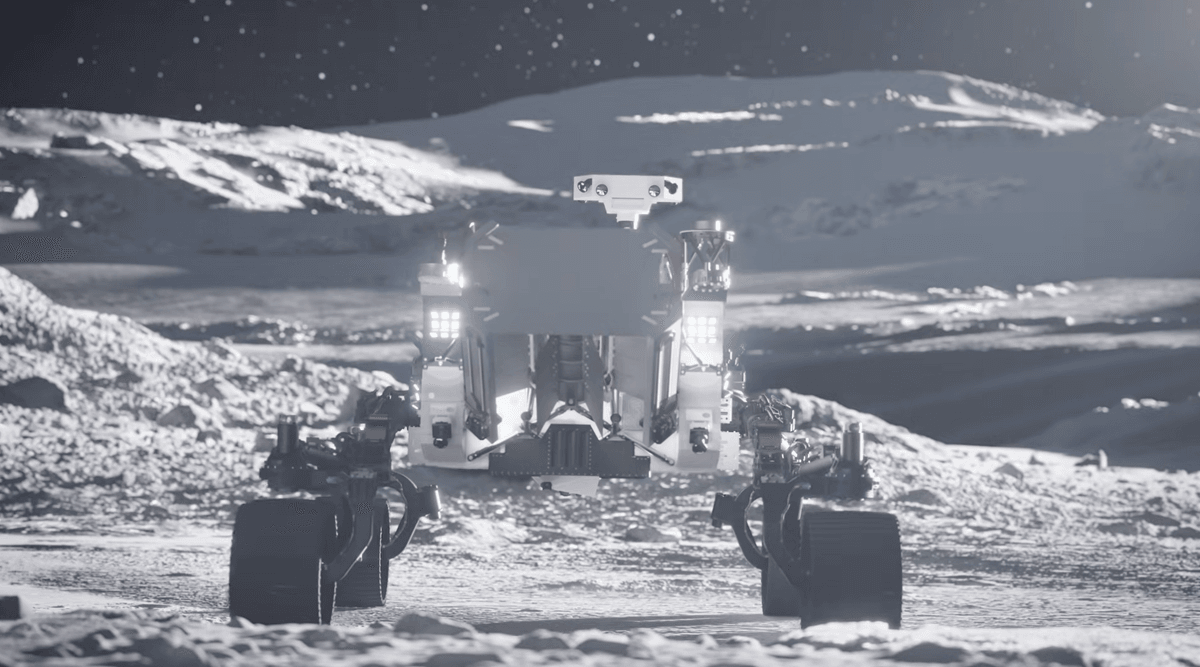
NASA announced on Saturday that its new lunar rover, PROMISE, will launch in 2028 to support the agency’s goal of a sustainable human presence on the Moon. The rover will be part of the Artemis program and will land near the south pole, where water ice has been detected. PROMISE will carry instruments to map resources, test in‑situ manufacturing, and demonstrate autonomous navigation for future crewed missions.
The announcement follows a series of steps aimed at turning the Moon into a long‑term outpost. After the Artemis I test flight in 2022, NASA has been building the infrastructure needed for astronauts to stay for weeks or months. The agency has already deployed the Lunar Gateway in orbit and plans to land the first crew on the lunar surface in 2025. Those missions will need reliable power, water, and building materials, and PROMISE is designed to locate and evaluate those resources.
PROMISE will weigh about 600 kilograms and be powered by a small nuclear source and solar panels. Its payload includes a drill that can reach a meter below the surface, a spectrometer to analyze ice, and a 3‑D printer that will test making simple parts from lunar regolith. NASA Administrator Bill Nelson said the rover “will give us the data we need to turn the Moon from a destination into a home.” The agency expects to partner with commercial firms for the rover’s construction and for the launch on a Space Launch System or a commercial heavy‑lift vehicle.
After a series of ground tests through 2025, PROMISE will undergo a qualification flight in 2027 before its final launch. Once on the Moon, the rover will send data back to Earth for analysis and will serve as a testbed for future crewed rovers. The information gathered could shape the design of habitats, fuel production units, and even launch pads on the lunar surface, moving humanity closer to a permanent foothold beyond Earth.
Read Full Story at Scientific American →