Researchers find pink noise boosts brain waste clearance during sleep
Researchers found that bursts of pink noise during deep sleep increase cerebrospinal fluid flow by 20%, which may help clear harmful brain waste and enhance memory performance. This discovery is sign…
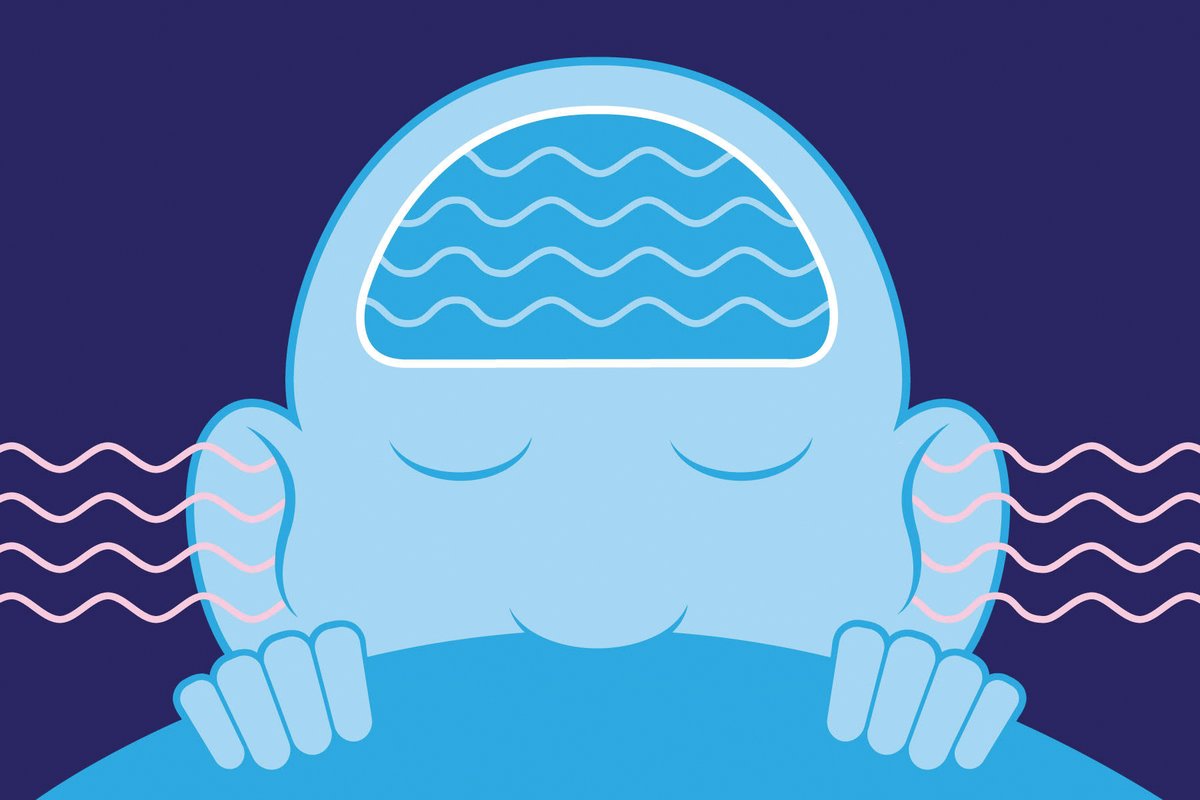
Researchers at the University of Rochester Medical Center reported that brief bursts of pink noise played during deep sleep can trigger a surge of the brain’s cleaning fluid, a finding that could improve sleep quality and reduce the buildup of harmful waste particles. The study, published in *Scientific Reports* in September, showed that participants who heard pink‑noise pulses timed to their slow‑wave activity experienced a 20 percent increase in cerebrospinal fluid flow compared with a silent control night. The enhanced fluid movement coincided with better performance on a memory test taken the next morning.
The discovery matters because the brain relies on the glymphatic system to flush out metabolic waste, including proteins linked to Alzheimer’s and other neurodegenerative diseases. During slow‑wave sleep, the brain’s interstitial spaces expand, allowing cerebrospinal fluid to sweep away toxins. Earlier research showed that natural slow waves aid this process, but scientists have struggled to boost it without disrupting sleep. Pink noise—a steady, low‑frequency sound that sounds like distant rain—has been known to synchronize brain rhythms, yet its impact on glymphatic flow had not been measured until now.
In the double‑blind trial, 30 healthy adults aged 20 to 60 slept in an MRI scanner while a sensor array monitored their brain waves. When the system detected a slow‑wave peak, a 50‑millisecond burst of pink noise was delivered through headphones. Researchers observed a marked rise in the velocity of cerebrospinal fluid entering the brain’s perivascular spaces, and participants reported no awareness of the sounds. Neurophysiologist Dr. Laura Chen, who was not involved in the work, called the result “a promising proof of concept” but warned that long‑term effects remain unknown. The study also noted modest gains in declarative memory, suggesting that the fluid boost may translate into functional benefits.
The team plans to test the technique in larger, more diverse groups, including older adults at risk for cognitive decline. They are also exploring portable devices that could deliver timed pink‑noise pulses at home, pending safety and efficacy data. If future trials confirm the benefits, auditory stimulation could become a low‑cost, non‑pharmacological tool to enhance the brain’s natural cleaning system and protect against age‑related disorders.
Read Full Story at Scientific American →