AI detectors falsely flag human writer Sally McGraw, harming her career
AI detection tools erroneously flag human writing, causing writers like Sally McGraw to lose professional opportunities due to misplaced suspicion. This reflects a broader industry crisis where risin…
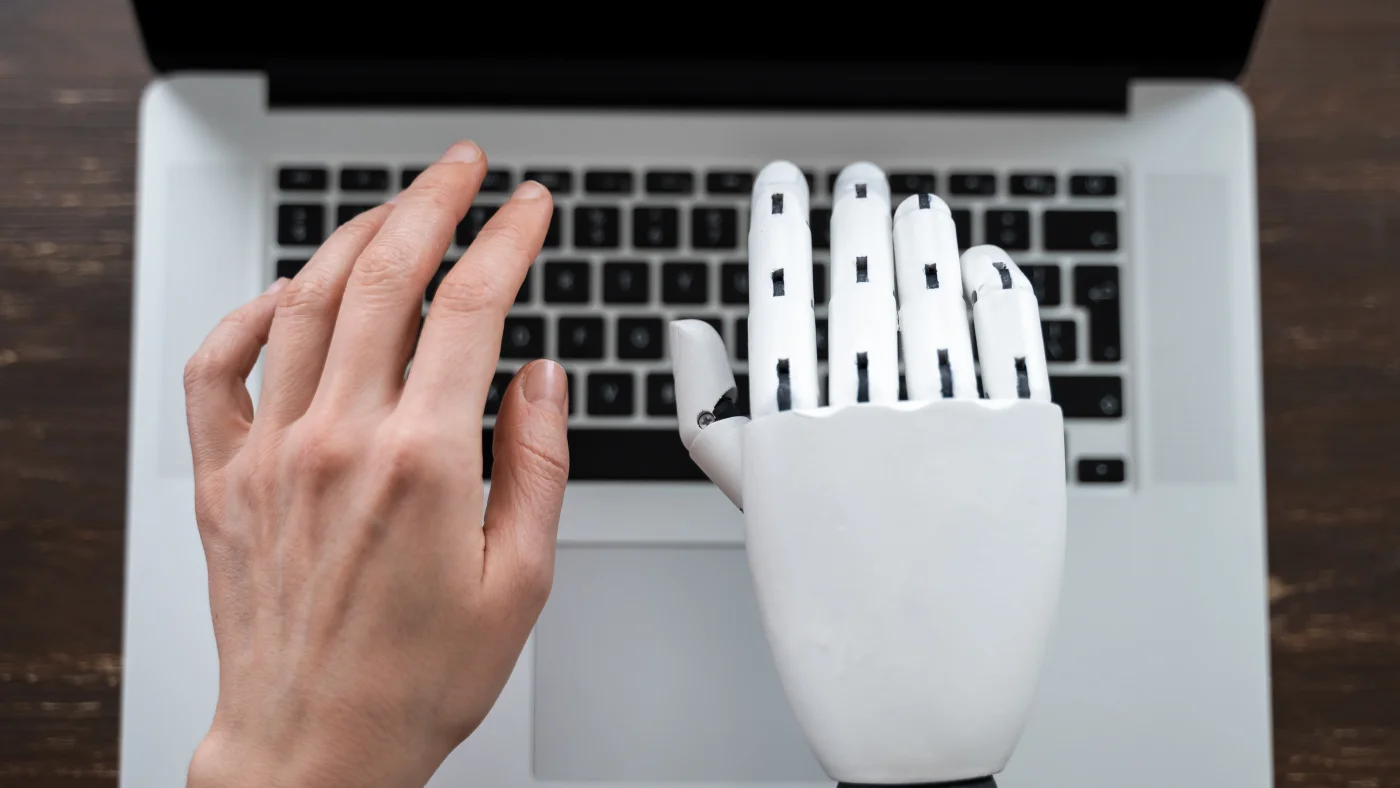
Ghostwriter Sally McGraw recently lost a professional opportunity after her writing samples were flagged as machine-generated by AI detection software. Despite having written every word herself over a twenty-year career in nonfiction, McGraw received an email from a prospective client stating that multiple tools identified her work as artificial. The client eventually chose a different writer, citing experience and fit as the primary reasons, but McGraw believes the false positive significantly undermined her credibility. She described the experience as deeply personal and frustrating, noting that the suspicion of artificial origin damaged the trust necessary for long-term creative collaboration. This incident highlights a growing anxiety among human writers who fear that automated filters are creating a presumption of guilt in an industry where originality is the primary currency.
The surge in AI-generated content has placed immense pressure on editors and publishers to manage an overwhelming volume of submissions. Neil Clarke, the publisher and editor of the science-fiction magazine Clarkesworld, reports that monthly submissions doubled from approximately 1,100 in 2021 to more than 2,200 by early 2023. This spike coincided with the widespread availability of large language models like ChatGPT, Claude, and Gemini. To cope with the influx, Clarke temporarily closed the magazine’s submission portal. The increased workload has not only strained editorial staff but also introduced a pervasive element of mistrust into the review process. Editors are now forced to balance their instinct for quality with the need to screen for plagiarism and synthetic text, often relying on imperfect digital tools to make initial judgments.
AI detection software is far from infallible, and experts acknowledge that these tools frequently produce false positives. Researchers have found that different detection platforms can reach dramatically different conclusions about the same piece of human-written text. A study published in the International Journal for Educational Integrity highlighted these inconsistencies, showing that accuracy rates vary significantly depending on the specific algorithm used. For writers like McGraw, this lack of consistency is problematic because there is no clear way to prove the text is human once a flag is raised. The opacity of these systems means that authors are often left without recourse, unable to understand exactly what linguistic patterns triggered the alert or how to adjust their style to avoid future misidentifications. This technical uncertainty leaves professionals vulnerable to reputational harm and lost income, even when they have not violated any ethical standards.
The reliance on imperfect detection tools signals a broader shift in how creative labor is verified in the digital age. As AI continues to generate text that is increasingly indistinguishable from human writing, the burden of proof is shifting onto the creators themselves. Writers may find themselves forced to alter their natural voices or provide extensive documentation of their drafting processes to prove authenticity. This development raises serious questions about the future of professional writing, where the fear of being mistaken for a machine could stifle creativity and discourage new voices from entering the field. The industry now faces a difficult challenge: developing better verification methods that protect intellectual property without unfairly penalizing human authors for the limitations of current technology.
Read Full Story at NPR News →