Researchers find ancient plants survived extinction, offering clues for today's resilience.
Researchers found that some plants survived the Permian-Triassic extinction, demonstrating resilience during extreme climate conditions. This discovery suggests that similar survival traits could hel…
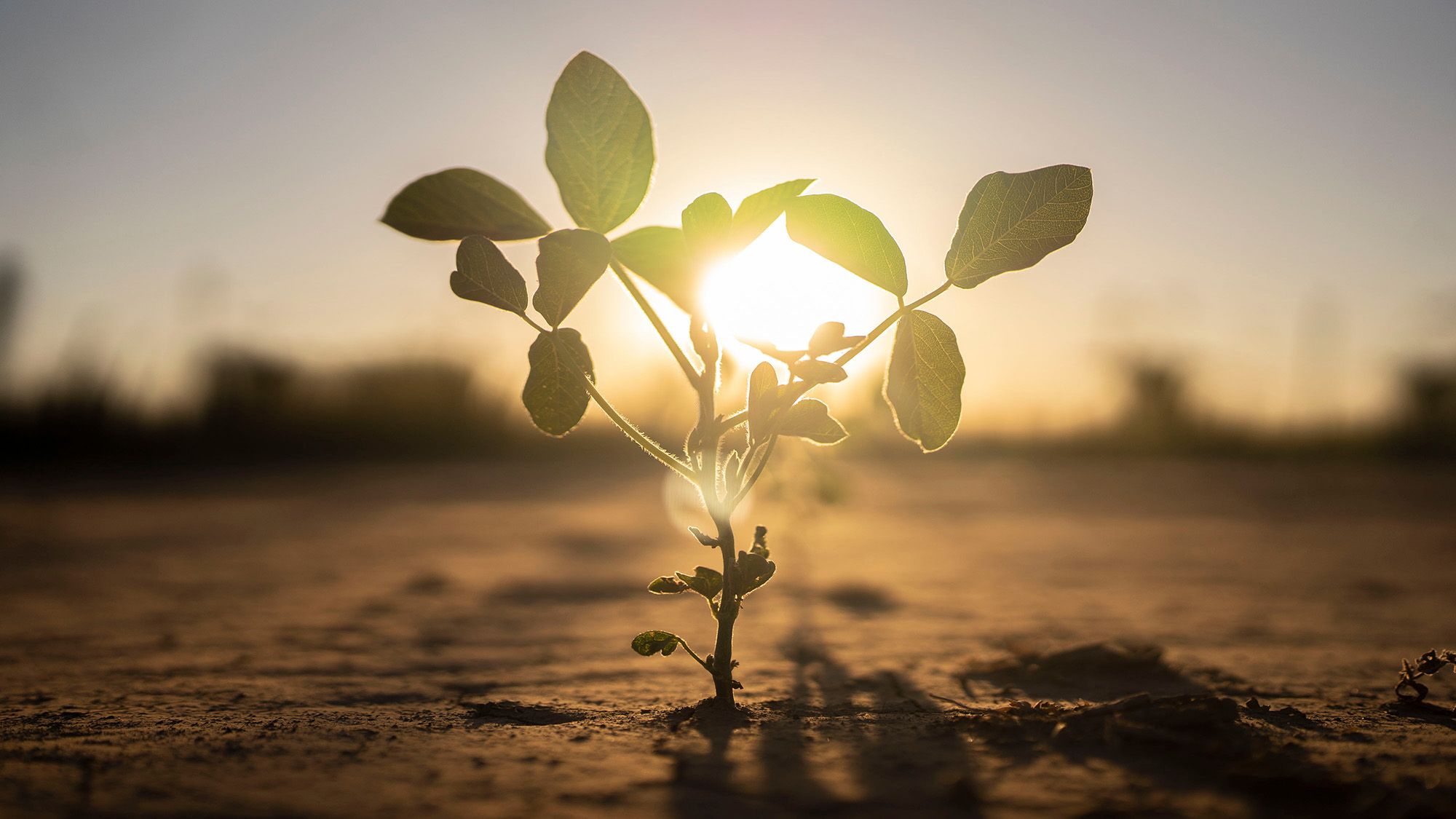
Researchers have uncovered evidence that some plants survived the planet‑killing Permian‑Triassic extinction 251 million years ago, and that their survival strategies may offer clues for today’s warming world. Fossil pollen from a refuge in what is now China shows a community of seed‑bearing plants persisted while temperatures spiked and oceans turned acidic, creating an oasis for animals that otherwise faced near‑total loss. The finding, reported in a new study, suggests plants were more resilient than most animals during the “Great Dying,” and that similar traits could help modern flora cope with climate change.
The Permian‑Triassic event was triggered by massive eruptions of the Siberian Traps in Russia, which released enough carbon dioxide to raise equatorial temperatures dramatically for over a million years. Heat made much of the land inhospitable, while ocean chemistry shifted to extreme acidity and low oxygen, wiping out more than 90 % of marine life and about 70 % of terrestrial species. Scientists have long debated whether any plant lineages could endure such conditions, but the Chinese pollen record now provides a concrete example of a surviving assemblage, expanding the view that plant extinction was not uniform across the globe.
Ecologists point to several built‑in plant advantages that may have underpinned that survival. Chris Thomas of the University of York notes that plants cannot move, so they have evolved mechanisms to endure harsh local conditions. Amy Angert of the University of British Columbia adds that many plants have indeterminate growth and modular bodies, allowing them to shed damaged parts and regrow new ones that respond to current environmental cues. Experiments on holm oak (Quercus ilex) show resprouted branches cope better with drought than uncut growth, and dormant buds enable rapid recovery after fires, as seen in South Africa’s Cape Floristic Region, a hotspot of plant diversity that repeatedly rebounded after wildfires.
The discovery reshapes how scientists view plant resilience and informs conservation strategies for a warming planet. If ancient plants could persist by resprouting, adjusting growth patterns, and exploiting refuges, modern species may have similar pathways to survive rising temperatures and erratic weather. Researchers now aim to map other fossil refuges and test whether the same traits can be bolstered through habitat protection and assisted migration, hoping that a “luck‑plus‑adaptation” formula can keep ecosystems alive as climate change accelerates.
Read Full Story at Live Science →