Here are
Israeli lawmakers began negotiating a coalition government on Tuesday after a March election produced no clear winner, and leaders in neighboring Arab states have largely stayed silent. The muted res…
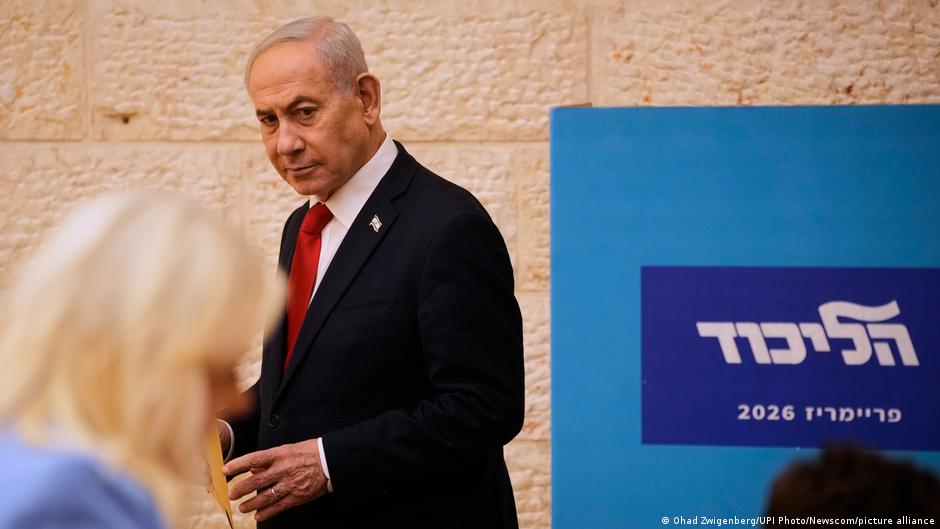
Israeli lawmakers began negotiating a coalition government on Tuesday after a March election produced no clear winner, and leaders in neighboring Arab states have largely stayed silent. The muted response reflects uncertainty about whether Prime Minister Benjamin Netanyahu will stay in power or if his rival, former chief‑of‑staff Gadi Eisenkot, will form a more centrist cabinet. Both scenarios are expected to leave Israel’s foreign relations with Syria, Lebanon, Jordan, Egypt and the Gulf largely unchanged, and to keep the status quo on the Palestinian issue.
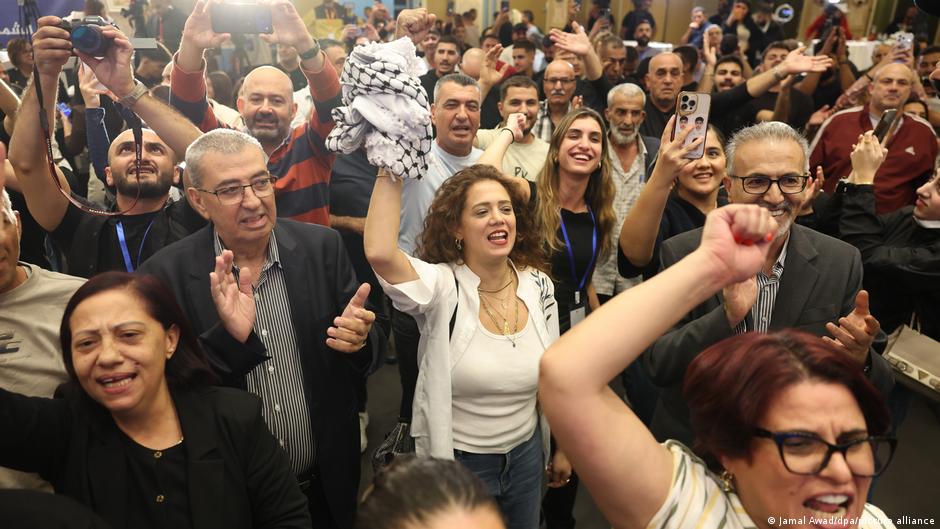
The dead‑locked vote has revived a debate that has lingered since the October 7 attacks. Netanyahu’s Likud party campaigned on a hard‑line slogan, “The right or Palestine,” warning that any alternative would be softer on Arab parties and open to a Palestinian state. Eisenkot, who led the exit polls that suggested a possible upset, has denied any shift toward concessions. Meanwhile, Israeli‑Arab parties have displaced some of Netanyahu’s far‑right allies, but analysts say the overall balance of power remains similar, leaving Arab governments with little new to react to.
Egyptian politician Mostafa Bakry summed up the sentiment on X, saying Netanyahu and Eisenkot are “two sides of the same coin” and that Arab joy at Netanyahu’s failure to form a government will not translate into a different policy direction. Beth Oppenheim, a policy fellow at the European Council on Foreign Relations, noted that an Eisenkot cabinet would likely be fragile and could reverse a few domestic measures – halting the judicial overhaul, launching a commission to investigate the October 7 attacks and passing a new conscription law. However, she stressed that Israel’s post‑October 7 security doctrine – pre‑emptive strikes, operating beyond its borders and maintaining buffer zones – would stay intact, as it enjoys broad support across the Israeli political spectrum.
What follows is a test of how a potentially unstable Eisenkot coalition will navigate a region already accustomed to Israel’s aggressive posture. If the new government can manage internal dissent, it may open modest avenues for dialogue, such as the promised inquiry into the October 7 events. Yet the broader outlook remains unchanged: support for a two‑state solution has collapsed among mainstream Jewish parties, and settlement expansion continues to be normalized. For Arab neighbours, the expectation is continuity rather than transformation, with any small positive steps likely to be incremental and heavily constrained by Israel’s entrenched security strategy.
Read Full Story at DW World →