National Weather Service renames Lake Ontario to Lake America for clarity
The National Weather Service will rename "Lake Ontario" to "Lake America" in all forecasts starting November 1 to reduce confusion and improve consistency in weather data. This change, prompted by pa…
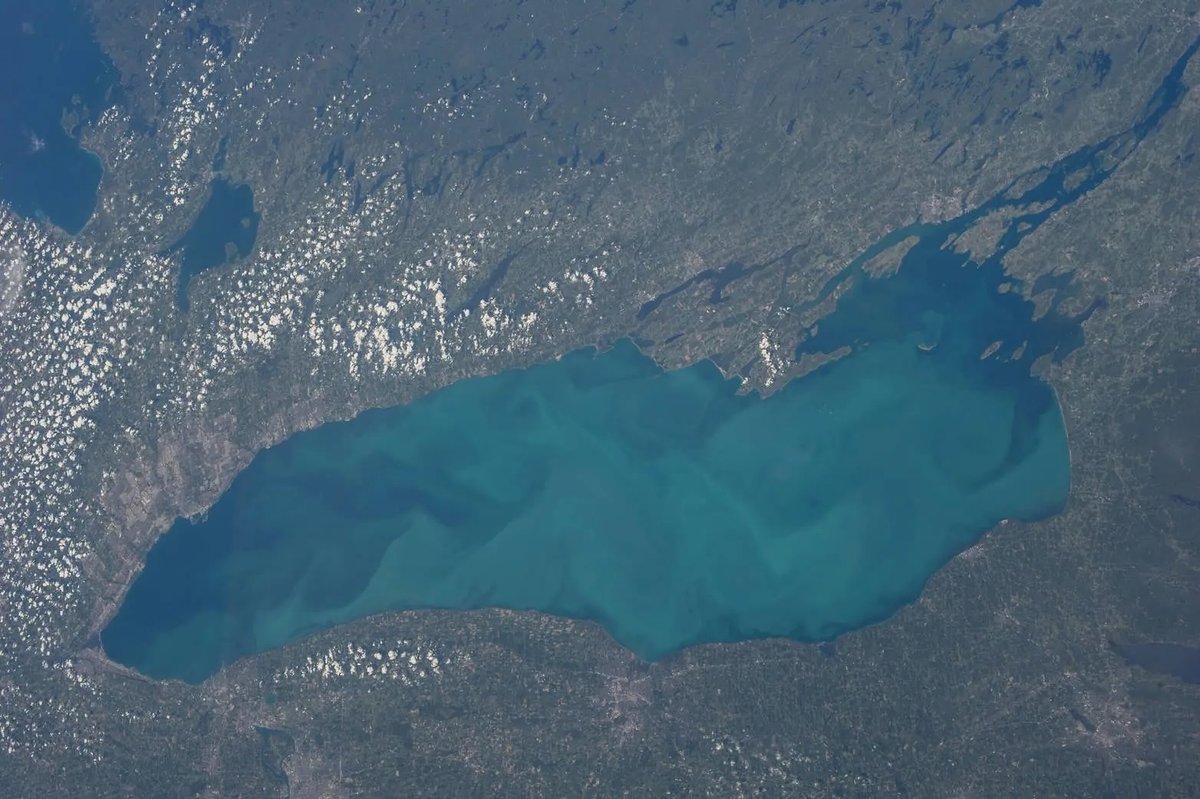
The National Weather Service announced Tuesday that it will replace “Lake Ontario” with “Lake America” in all its digital and broadcast forecast products beginning on 1 November, a move aimed at reducing geographic confusion and improving model consistency across the Great Lakes region. The change will appear on radar overlays, storm‑track maps and public alerts issued by the agency’s 13 forecast offices that cover the lake’s shoreline.
The decision stems from a long‑standing naming clash between the lake and the Canadian province of Ontario, which has caused errors in data feeds and public warnings for years. Meteorologists have argued that the ambiguous label makes it harder to align satellite imagery, buoy data and climate records that are split between U.S. and Canadian agencies. A 2022 internal audit found that the mislabeling contributed to three documented forecast miscommunications during severe thunderstorm events, prompting the NWS to seek a clearer identifier. The new name also fits a broader effort to standardize lake designations across the National Centers for Environmental Prediction, which recently renamed Lake Erie to “Lake East” in its model grid.
State and provincial officials responded with mixed reactions. New York’s Department of Environmental Conservation praised the move, saying it will help emergency managers issue clearer lake‑related warnings. Ontario’s Ministry of Natural Resources expressed concern that the change could confuse cross‑border coordination, urging the NWS to maintain dual labeling on shared platforms. The agency estimates the update will cost about $1.2 million in software revisions and staff training, a figure it says is outweighed by the anticipated reduction in public misinterpretation during severe weather events.
The rollout will begin with a two‑week testing phase on internal systems, followed by a public information campaign that includes updated website graphics, social‑media notices and outreach to local weather radio stations. Forecast models will start using the new label in the next run of the High‑Resolution Rapid Refresh system, and the NWS expects the change to improve the precision of lake‑effect snow forecasts and wind‑chill warnings. By eliminating the Ontario ambiguity, forecasters hope to deliver clearer, more reliable information to residents and mariners who depend on timely weather updates.
Read Full Story at Scientific American →