China allows journalists to report on Tibet's severe flood damage
The Chinese government has allowed international journalists to report on severe flooding in Tibet for the first time, revealing extensive damage, displacement of over 50,000 people, and infrastructu…
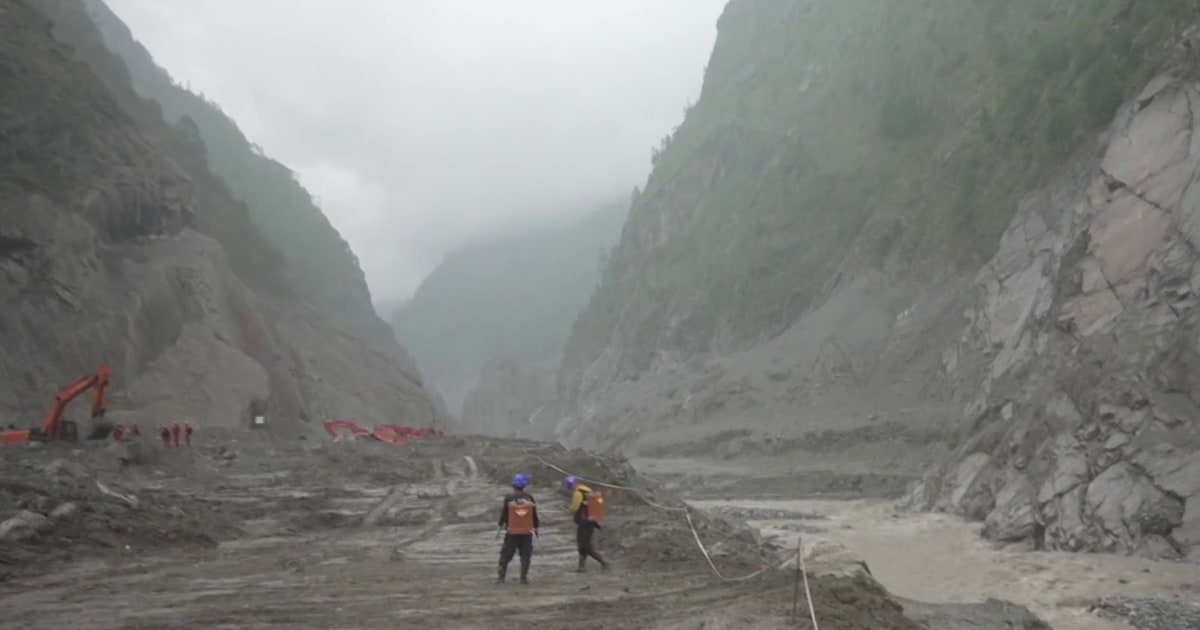
For the first time, the Chinese government has permitted international journalists to witness the extensive flood devastation in Tibet. NBC News correspondent Janis Mackey Frayer reported on the situation, highlighting the severe impact of recent rains that have led to widespread destruction in the region. The floods have caused landslides, damaged infrastructure, and displaced thousands of residents.
This unprecedented access for foreign media is significant as it marks a shift in China’s approach to information sharing, especially concerning sensitive areas like Tibet. The floods have drawn attention not only because of their immediate devastation but also due to longstanding concerns about China’s environmental policies and infrastructure development in the region. Over the past few years, climate change has exacerbated weather patterns, leading to more intense rainfall and subsequent flooding. This crisis could serve as a catalyst for discussions on sustainable development and disaster preparedness.
Reports indicate that over 50,000 people have been affected, with many losing their homes and livelihoods. The local government has mobilized rescue teams and provided emergency supplies, but the scale of the disaster poses significant challenges. Many areas remain cut off due to blocked roads and damaged communication networks. Residents express frustration over inadequate government response and the need for more robust disaster management strategies.
As the situation develops, the international community is likely to keep a close eye on China’s response. The floods not only threaten the lives of those in Tibet but also raise questions about the resilience of infrastructure in vulnerable regions across the country. The government's willingness to allow foreign media access could signal a shift toward greater transparency, which could influence both domestic and international perceptions of its handling of environmental crises.
Read Full Story at NBC News →