Trump order replaces peer review with political appointees at NIH
Trump’s executive order replaces independent peer review with political appointees controlling NIH grant decisions. This shift risks prioritizing political goals over scientific merit, threatening th…
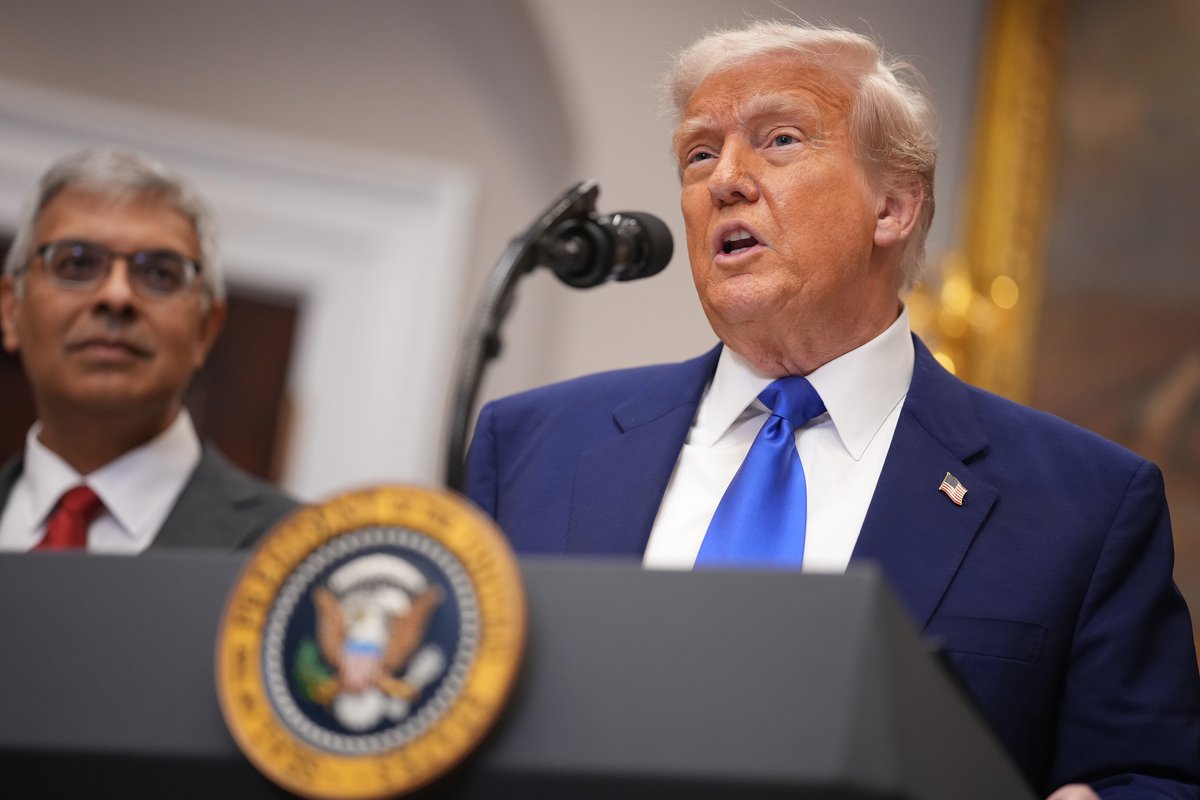
The White House issued an executive order that would hand control of National Institutes of Health (NIH) grant decisions to political appointees. The directive, signed by the Trump administration, removes the current system in which independent panels of scientists evaluate research proposals. Instead, the order would allow senior officials in the Department of Health and Human Services to approve or deny funding. The change could shift funding priorities to political goals rather than scientific merit.
NIH is the main source of federal money for biomedical research. Every year it awards billions of dollars to projects that range from basic science to clinical trials. The peer‑review process, in place since the 1970s, is designed to be objective and transparent. Scientists argue that politicizing the process would undermine trust and slow progress on diseases like cancer, Alzheimer’s, and COVID‑19. The Trump administration has a record of challenging scientific agencies, from questioning climate science to loosening FDA regulations. The order follows a broader trend of the administration’s attempts to reshape agencies such as the Environmental Protection Agency and the Centers for Disease Control and Prevention.
The scientific community has reacted with alarm. The American Association for the Advancement of Science, the National Academy of Sciences, and dozens of research universities have issued statements warning that the move would “upend” U.S. science. Some scientists fear that projects with little political appeal could be denied, while politically popular initiatives might receive preferential treatment. The order also raises legal questions about the separation of powers and the independence of federal agencies. The NIH director has said the agency will seek legal remedies and may refuse to implement the new policy. Congress is expected to convene hearings, and several lawmakers have signaled plans to file lawsuits to protect the peer‑review system.
If the order is enforced, it could change how research is funded for years to come. Researchers might need to lobby politically to secure grants, a shift that could discourage risky or long‑term projects. The administration’s move could also prompt new legislation to safeguard the NIH’s independence. In the meantime, scientists are monitoring the situation closely, preparing to defend the integrity of U.S. research and to ensure that funding decisions remain based on merit, not politics.
Read Full Story at Scientific American →