SLAC scientists confirm altermagnetism, advancing electronics research with X-ray techniques.
Scientists at SLAC have confirmed the existence of altermagnetism, a third type of magnetism, using advanced X-ray techniques. This discovery could lead to significant advancements in electronics, en…
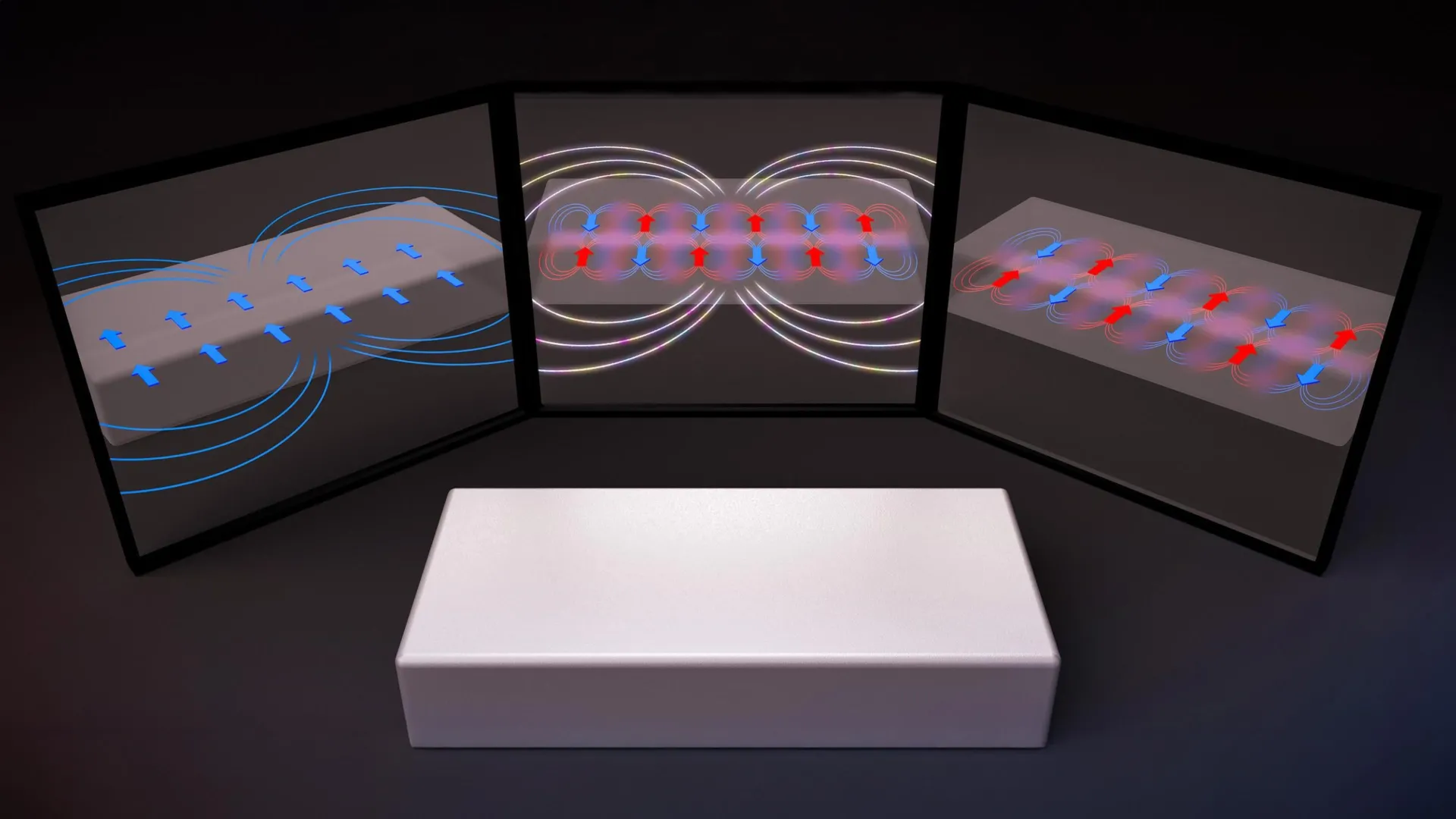
Scientists at the Stanford Linear Accelerator Laboratory (SLAC) have confirmed the existence of a third type of magnetism, known as altermagnetism, nearly 90 years after magnetism was thought to consist of only two categories. This groundbreaking discovery was made using specialized X-ray techniques that revealed a unique magnetic signature, distinguishing these materials from conventional magnets.
The research comes at a critical time as the demand for advanced electronic components increases. Traditional magnets have limitations that hinder the efficiency and performance of modern electronics. Altermagnets, which exhibit a combination of stability and the ability to carry information efficiently, offer a promising solution to overcome these challenges. This discovery could pave the way for innovations in various fields, including computing and data storage.
The findings suggest that altermagnets may facilitate the development of faster computers and more efficient data centers. By harnessing the unique properties of these materials, researchers believe they can improve processing speeds and reduce energy consumption in electronic devices. Furthermore, altermagnetism could open new avenues in quantum technology, potentially leading to breakthroughs that were previously thought unattainable.
As scientists continue to explore the implications of altermagnetism, the potential impact on future technologies remains significant. This discovery not only challenges long-standing theories about magnetism but also highlights the importance of ongoing research in materials science. The ability to manipulate and utilize altermagnets could revolutionize the way we think about and use magnetic materials in everyday technology.
Read Full Story at ScienceDaily →