European launch startups secure major funding to reduce foreign rocket reliance
Two European launch startups secured major funding, signaling a shift from state-backed to private aerospace investment. This capital addresses Europe's reliance on foreign rockets and helps companie…
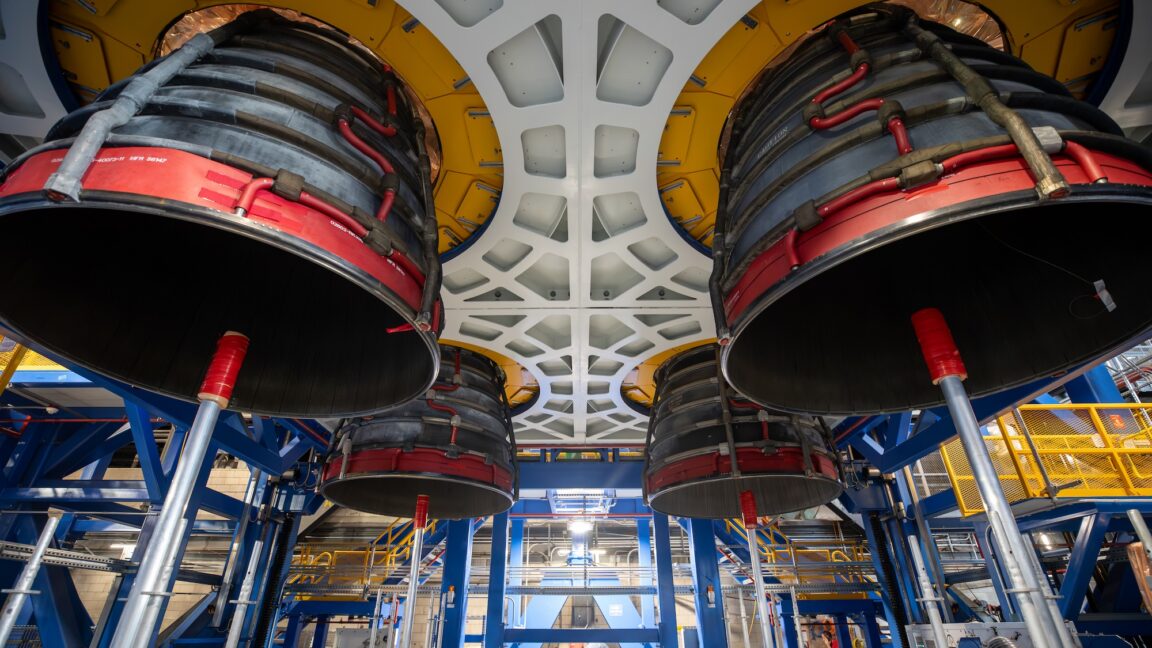
Two of Europe’s most prominent space launch startups have announced significant new fundraising rounds this week, signaling a renewed wave of confidence in the continent’s emerging commercial aerospace sector. The investments come at a critical juncture for the European space industry, which has long relied on state-backed entities like Arianespace and the European Space Agency to dominate the launch market. This shift toward private capital marks a structural change in how European nations approach access to space, moving away from purely government-funded initiatives toward a more agile, venture-backed ecosystem. The specific identities of the startups are not detailed in the brief announcement, but the timing suggests these are likely companies that have moved beyond the prototype phase and are seeking capital to scale manufacturing, secure launch licenses, or prepare for their first orbital missions. This financial influx is crucial for bridging the "valley of death" that plagues many deep-tech aerospace ventures, where the gap between a working prototype and a reliable, recurring launch service is often too wide for early-stage funding to cover.
The decision by European investors to back these launch providers now is driven by a combination of geopolitical necessity and market pressure. For years, Europe has faced a shortage of reliable, affordable small and medium-lift launch vehicles, forcing satellite operators to rely on American rockets like those from SpaceX or Rocket Lab. This dependency has become a strategic vulnerability, particularly as the global demand for satellite internet constellations and Earth observation data explodes. The European Commission has recognized this gap and has been pushing for a more robust industrial base through programs like the Innovative Launch Services initiative. However, government grants alone have proven insufficient to accelerate development timelines. Private investors are stepping in to fill this void, betting that the European market can support homegrown launch providers if they can achieve cost parity with their American counterparts. The current funding environment, while tighter than in the immediate post-pandemic boom, still favors companies with clear paths to revenue and strong technological moats.
The implications of this funding round extend beyond the balance sheets of the two startups. It suggests that the European space industry is maturing from a research-heavy model into a commercial production model. Investors are no longer just funding concepts; they are funding infrastructure, workforce expansion, and regulatory compliance. This capital will likely be used to build test facilities, manufacture flight hardware, and hire engineering talent, which has been in short supply across the continent. Furthermore, this move could catalyze a broader trend, encouraging other European launch companies to seek similar deals or pushing established players to innovate faster to maintain their market share. The success of these startups will depend on their ability to deliver successful launches quickly and reliably, as the window for capturing the small-satellite market is narrowing. If they succeed, Europe will finally have a diversified launch landscape, reducing its reliance on foreign providers and creating a more resilient supply chain for its satellite industry.
What happens next will be determined by the execution capabilities of these funded companies. The immediate focus will be on translating capital into tangible progress, such as completing engine tests, finalizing vehicle designs, and securing launch contracts with satellite operators. Regulatory approval from national space agencies will also be a key hurdle, as safety standards for commercial launches are strict and the review process can be lengthy. Investors will be watching closely for milestones that demonstrate technical readiness and market demand. If these startups can achieve their first successful orbital launches within the next few years, they will not only validate the investment thesis but also inspire further capital inflows into the European space sector. This could lead to a more competitive and dynamic market, ultimately benefiting European satellite operators with lower costs and more frequent launch opportunities. The stakes are high, as the global launch market is becoming increasingly consolidated around a few dominant players, leaving little room for latecomers who cannot demonstrate rapid progress and operational excellence.
Read Full Story at Ars Technica →