NASA's Roman Space Telescope to search for rocky exoplanets in 2026
NASA’s Roman Space Telescope will focus on the Milky Way's bulge to search for small, rocky exoplanets during its mission, which begins in 2026. By mapping this dense region, it could reveal new insi…
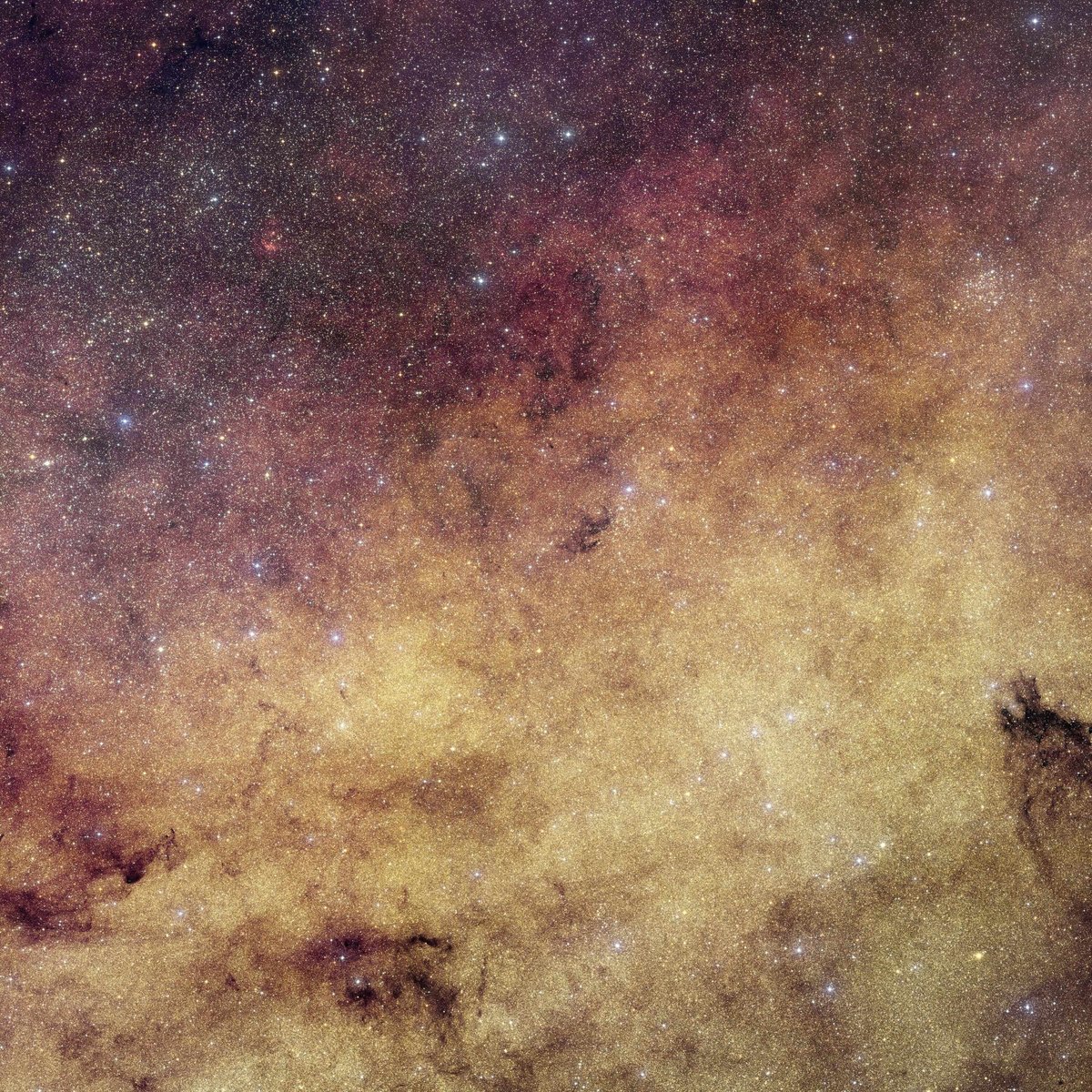
NASA’s Roman Space Telescope will spend more than a quarter of its mission staring at the Milky Way’s bulge, the crowded central region of our galaxy that may hold a swarm of small, rocky exoplanets. The telescope, launched in 2026, is designed to look for faint, distant worlds and to map the galaxy’s structure with unprecedented detail.
The bulge is a prime hunting ground for exoplanets because it contains millions of stars packed into a tiny volume. Many of those stars are old, but they can still host planets that survived the early chaos of the galaxy. Roman’s wide‑field infrared camera can see through the dust that blocks optical telescopes, giving it a clear view of the bulge’s hidden planets.
This focus follows years of microlensing surveys that hinted at a large population of Earth‑size planets in the bulge. Earlier missions, like Kepler and the upcoming Nancy Grace Roman, have shown that planets are common around all kinds of stars. By dedicating time to the bulge, Roman will test whether small, rocky planets can form and survive in the galaxy’s harsh central environment.
The data will arrive over the next decade. Roman will release a catalog of exoplanet candidates by 2033, and scientists will use the findings to refine models of planet formation. If the bulge proves rich in Earth‑like worlds, it could change the way we search for life beyond our solar system and inform future missions that target the galaxy’s most crowded corners.
Read Full Story at Scientific American →