NASA maps air pollution in Addis Ababa, reveals high black carbon levels
NASA’s network mapped Addis Ababa’s black carbon, showing levels 40% above WHO limits due to traffic and cooking. This data drives new health campaigns and emissions standards to reduce soot-related …
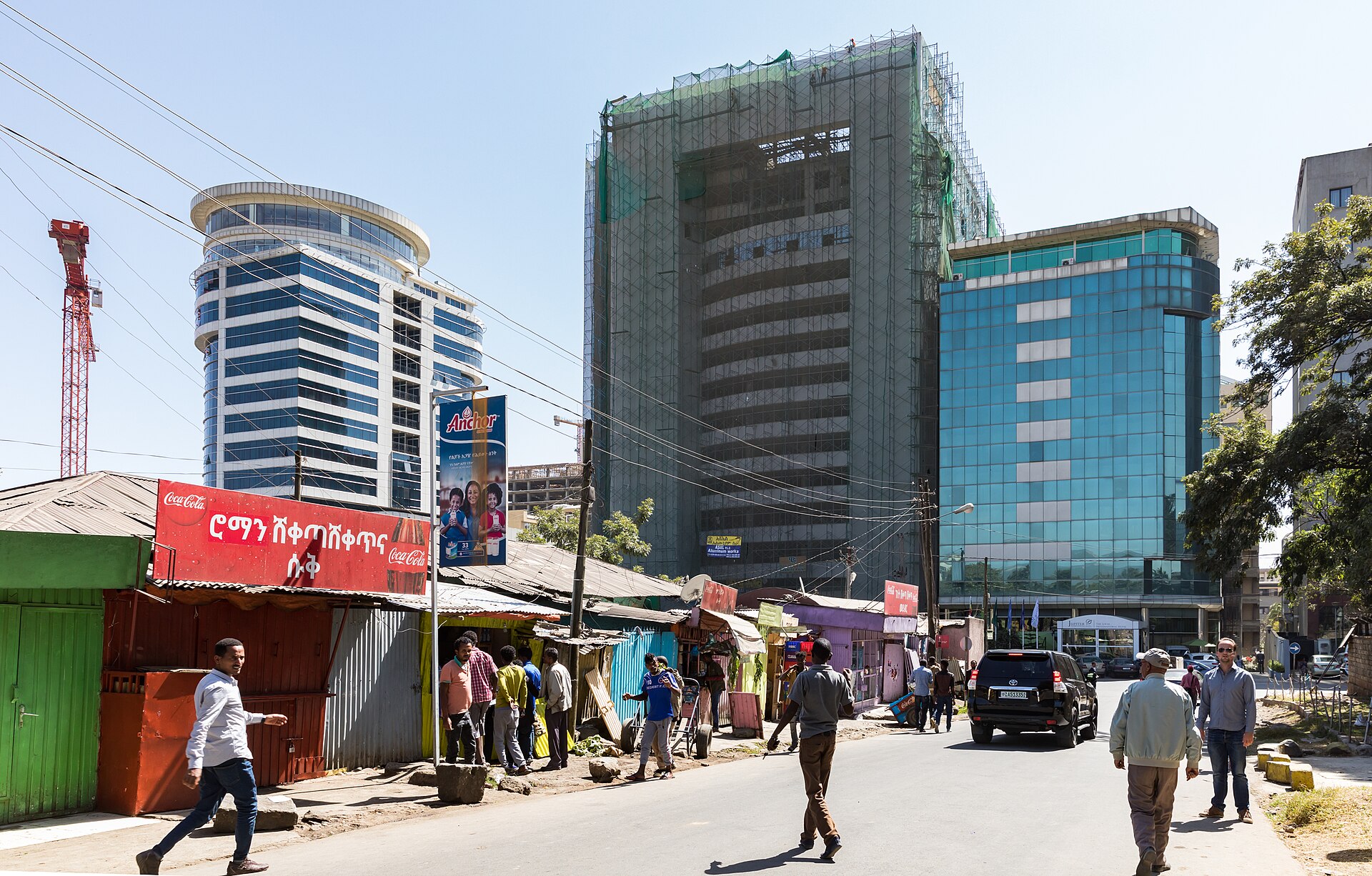
NASA’s new air‑quality network has delivered the first detailed, long‑term map of black carbon – the soot from fires, diesel engines and other combustion sources – in Addis Ababa, Ethiopia’s capital. Launched in 2023, the network uses ground‑based sensors and satellite data to track fine‑particle pollution across the city from January to December 2024. The results show sharp spikes in soot levels during morning rush hours and in the dry season, with average concentrations exceeding WHO limits by up to 40 %.
Black carbon is a major driver of both human health problems and climate change. In Addis Ababa, rapid urban growth and a growing fleet of diesel buses and private vehicles have pushed air quality below safe levels. The soot particles can lodge deep into lungs, increasing asthma and cardiovascular disease. Moreover, black carbon absorbs sunlight, warming the atmosphere and shortening the lifespan of cloud‑forming aerosols, which can worsen regional weather patterns. The study highlights how Addis Ababa’s unique mix of traffic, small‑scale wood‑fuel cooking, and occasional industrial emissions creates a daily “smoke cycle” that is now being quantified for the first time.
The data show a clear pattern: peak concentrations of 120 µg/m³ occur between 7 a.m. and 9 a.m. on weekdays, while the dry months of March to May see average daily levels 30 % higher than the wet season. Local health officials have used the findings to launch a public‑health campaign encouraging the use of cleaner cooking stoves and to propose stricter emissions standards for diesel engines. NGOs have cited the research to lobby for subsidies that would allow commuters to switch to electric buses, a move that could cut soot by an estimated 25 % if implemented citywide.
Looking ahead, NASA plans to expand the network to other Ethiopian cities, while the Ethiopian Ministry of Environment will use the data to draft a national air‑quality action plan. The study also feeds into global climate models that rely on accurate black‑carbon inputs to predict temperature rise. By turning raw measurements into actionable insights, the project turns a once‑mysterious haze into a clear target for policy and public‑health interventions.
Read Full Story at NASA →