NASA invites media to witness year-long Mars simulation completion at Johnson Space Center
Four volunteers completed a year-long Mars simulation at NASA's Johnson Space Center, living in isolation to study the effects of long-duration confinement. The data collected will inform future miss…
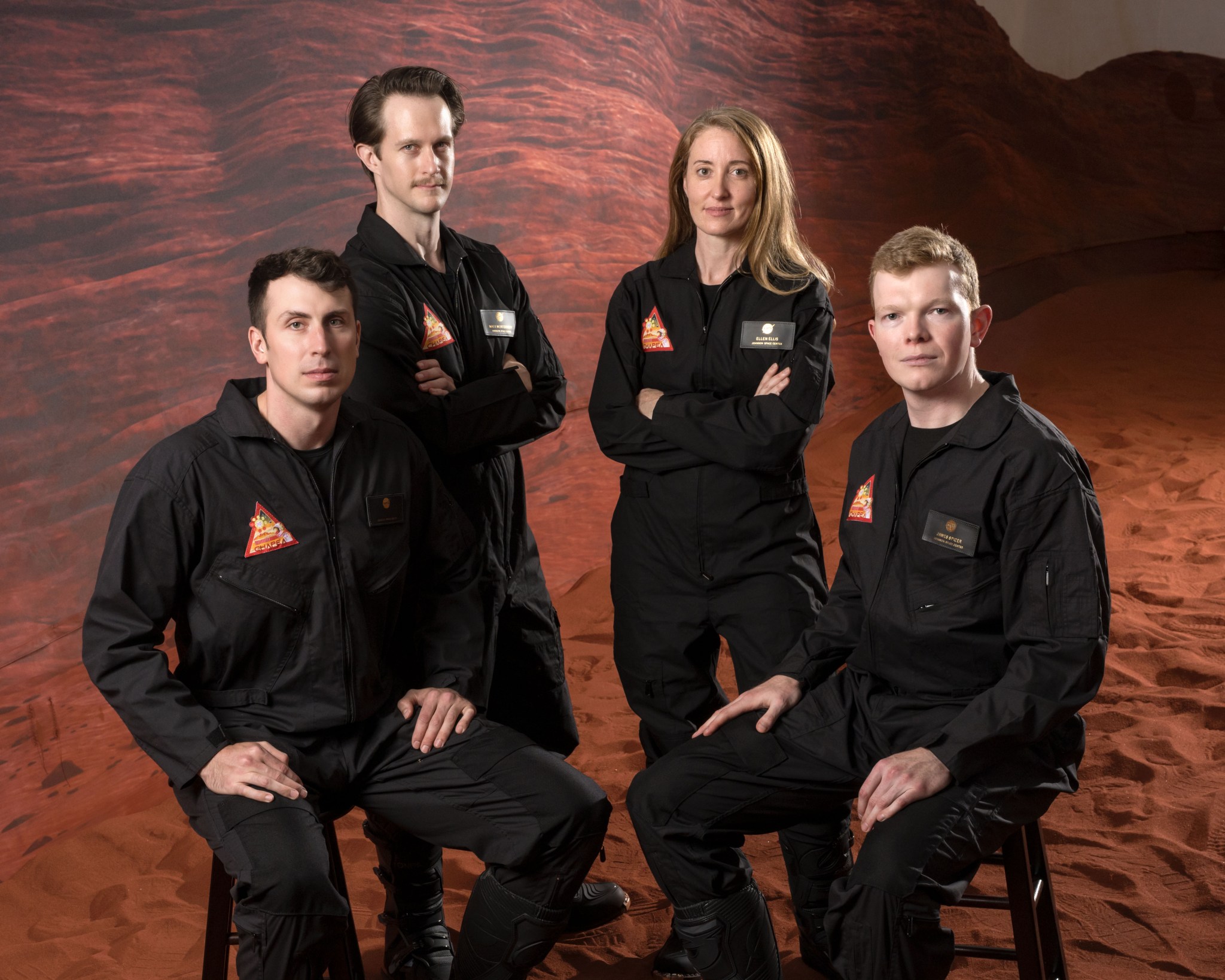
Four volunteers will leave the simulated Mars habitat at NASA’s Johnson Space Center on Saturday, Oct. 31, after 378 days of isolation and work in the agency’s analog facility. The crew, who called the habitat “Habitat‑4,” spent more than a year living underground, following a strict schedule of research, maintenance and exercise while cut off from the outside world.
The mission was designed to mimic the conditions astronauts will face on a future Mars journey. NASA created the analog to study how long‑duration confinement affects health, performance and teamwork. The crew operated in a sealed environment with limited fresh food, recycled air and water, and a communication delay that simulated the lag between Earth and Mars. The experiment began in early November 2022, timed to feed into planning for Artemis lunar missions and the agency’s long‑term goal of sending humans to the Red Planet. Researchers wanted to see how crews cope with stress, sleep loss and radiation‑like exposures in a controlled setting.
During the year‑long stay, the team logged thousands of data points on physical health, cognitive function and psychological well‑being. Early reports show the crew maintained stable vital signs, but some members experienced mood swings and reduced sleep quality, echoing findings from previous isolation studies. NASA’s Human Research Program will use the data to refine countermeasures such as exercise protocols, nutrition plans and mental‑health support. Dr. Kathy Lueders, NASA’s associate administrator for human exploration, said the mission “provides a rare window into how a small team can thrive under Mars‑like constraints and informs every aspect of our future deep‑space architecture.”
Now that the crew is out, analysts will spend months combing through the results. The findings will shape the design of habitats for the Artemis base on the Moon and the life‑support systems for the proposed Mars transit vehicle. NASA plans to publish a comprehensive report later this year, and the lessons learned will feed into crew selection and training for the next generation of explorers. The mission marks a key step toward turning the dream of a human presence on Mars into a realistic, science‑driven plan.
Read Full Story at NASA →