Elon Musk blocks rival app from using "Twitter," retains "tweet" and logo
Elon Musk secured a court order blocking the use of "Twitter" by a rival app, protecting his rebranded platform known as X. However, the ruling allows the continued use of "tweet" and the bird logo, …
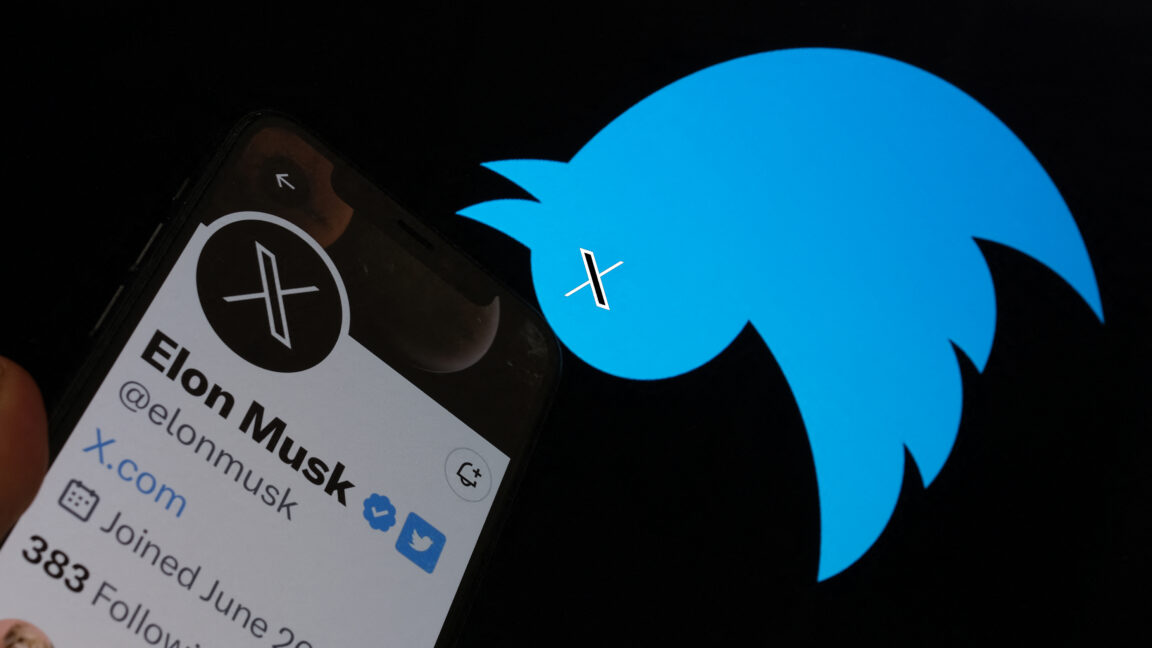
A California court has granted Elon Musk a temporary order to block the use of the name "Twitter" by a rival app. The ruling allows Musk to protect his rebranded platform, now called X, from competitors who might use the former name in their marketing or app listings. The decision is part of Musk's ongoing efforts to establish X as a distinct brand following his acquisition of Twitter in October 2022.
This legal move comes amid a broader strategy by Musk to redefine the platform. After taking over Twitter, Musk has made significant changes, including altering the name to X and introducing new features. By securing this court order, he aims to clarify the brand identity and prevent confusion among users. The ruling specifically allows for the continued use of the term "tweet" and the iconic bird logo, which are still associated with the platform's legacy.
Legal experts suggest that this decision could have significant implications for how digital platforms navigate branding and trademark issues. Musk's aggressive tactics may deter other companies from using similar names or branding elements. This becomes particularly relevant as the social media landscape grows increasingly competitive, with new apps emerging that attempt to capture users from established platforms.
Looking ahead, Musk's legal victory may pave the way for further branding strategies, both for X and for other ventures he has in mind. By solidifying the X brand, Musk is signaling his intention to expand its offerings beyond social media into other areas, potentially integrating more of his business interests. This case underscores the importance of trademark protection in the fast-evolving tech industry and may influence how companies approach their own branding efforts in the future.
Read Full Story at Ars Technica →