James Webb Telescope finds unexpected heavy metals near Sagittarius A*
The James Webb Space Telescope has found an unexpected abundance of heavy metals around the Milky Way's supermassive black hole, Sagittarius A*, which could provide insights into the origins of Earth…
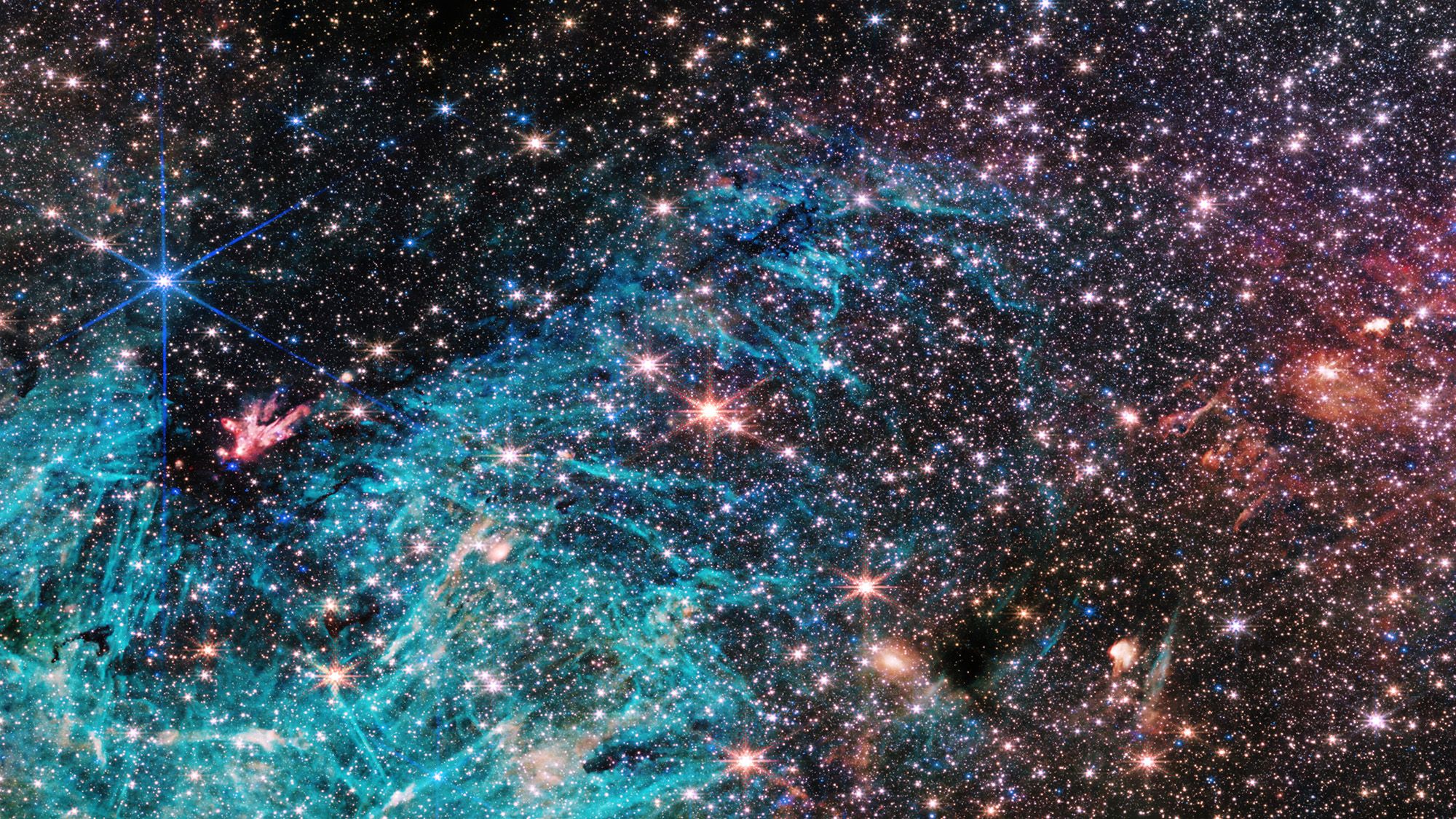
The James Webb Space Telescope (JWST) has uncovered an unexpected abundance of heavy metals surrounding the Milky Way's supermassive black hole, Sagittarius A* (Sgr A*). This discovery, detailed in a paper published on October 19 in The Astronomical Journal, suggests that the metals could reveal new insights into the origins of Earth's heavy elements while also complicating existing theories about the behavior of the black hole.
Heavy metals, in astronomical terms, refer to any elements heavier than hydrogen or helium, such as oxygen, carbon, iron, and gold. These elements are formed during the nuclear fusion processes in aging stars and are dispersed into space through supernova explosions. The JWST's observations indicate that the gas clouds around Sgr A* have a similar composition to several nearby stars, implying that both the gas and the stars originated around the same time, likely from past stellar explosions.
Scientists, including lead researcher Nicole Ford from McGill University, have highlighted that while Sgr A* is actively consuming material, it does so at a much slower rate compared to other supermassive black holes. Understanding the properties of the materials available for the black hole to consume, including the newly discovered gases and dust, is essential for deciphering this anomaly. The presence of heavy metals influences how quickly gases cool, which in turn affects how readily the black hole can draw in matter.
The findings have broader implications for our understanding of supermassive black holes in other galaxies and the processes that contributed to the formation of elements on Earth. However, researchers caution that the gas emissions near Sgr A* are influenced by local conditions, making it difficult to use them as a reliable indicator of the black hole's activity over time. As scientists continue to analyze this complex environment, they hope to gain a clearer picture of the interplay between black holes and their surrounding materials.
Read Full Story at Live Science →