Pentagon report values Iran's Gulf facility strikes at $184M
A Pentagon report quantifies $184 million in damage to U.S. diplomatic facilities in four Gulf states from Iranian strikes. This formal assessment highlights the tangible costs of escalating U.S.-Ira…

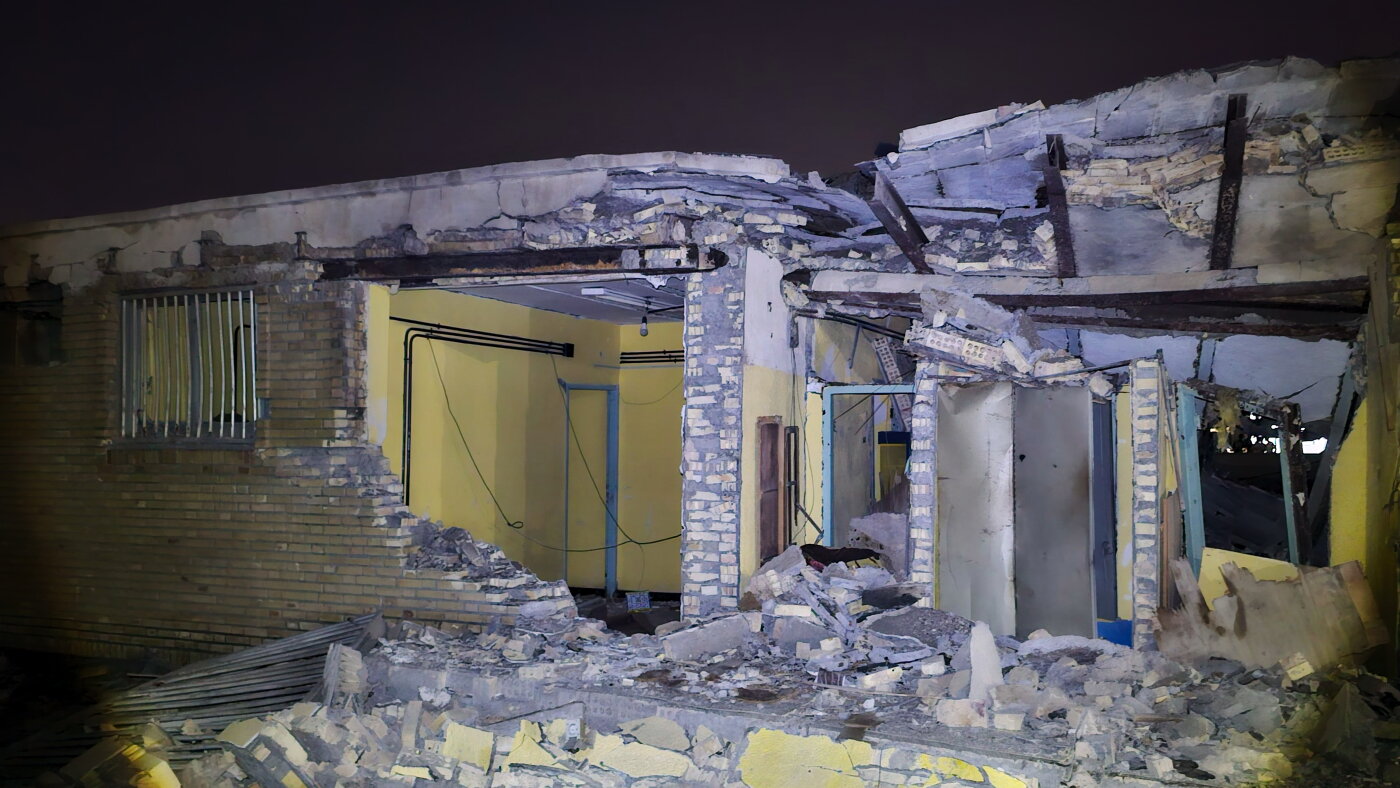
U.S. diplomatic facilities in Iraq, Kuwait, Saudi Arabia and the United Arab Emirates were hit by Iranian military strikes that caused an estimated $184 million in damage, a Pentagon watchdog report released Monday said. The report, which contains 44 pages of evidence, is the first time the U.S. has formally quantified the cost of attacks on its embassies and consulates in the Gulf region.
The damage matters because it shows how high the stakes are in the ongoing U.S.–Iran rivalry. Washington has maintained a strong diplomatic and military presence in the Gulf for decades, while Iran has repeatedly warned that it will target U.S. interests in retaliation for perceived provocations. In recent months the U.S. has stepped up its support for Saudi Arabia and other Gulf allies, and Iran has accused the U.S. of interfering in regional politics. Attacks on diplomatic posts are a clear signal that Iran is willing to use force against U.S. assets outside its borders.
The report details how the strikes damaged buildings, power supplies and security systems. U.S. officials said the damage was extensive but the attacks did not result in any casualties. The Pentagon said it is reviewing the incident to determine whether it violates international law. Iran has denied responsibility and said it would not be involved in any diplomatic fallout. The U.S. State Department has called the attacks “unacceptable” and said it will pursue legal and economic responses.
What happens next is unclear, but Washington is likely to raise the issue at the U.N. and to its Gulf allies. The U.S. may also impose new sanctions on Iranian officials or entities that carried out the attacks. The incidents could push the Gulf states to tighten security around U.S. embassies, and could raise tensions in a region already fraught with conflict. The U.S. will need to balance a firm response with the risk of escalating the crisis further.
Read Full Story at The Hill →