Researchers uncover 245 hidden earthquakes near Antarctica's Thwaites Glacier
Researchers have discovered 245 previously hidden earthquakes near Antarctica's Thwaites Glacier, linked to the glacier's rapid movement and potential instability due to climate change. This increase…
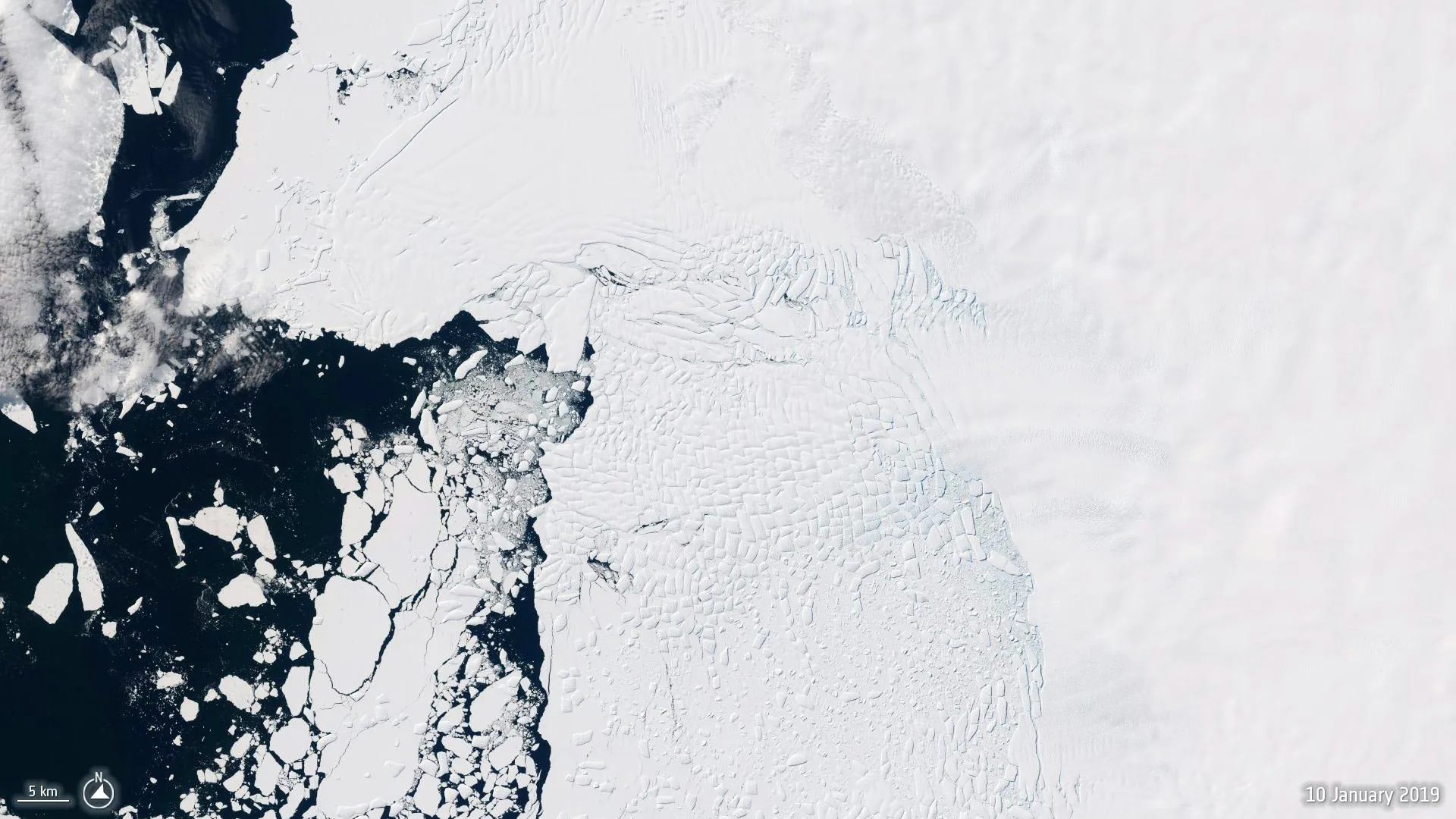
Researchers have identified hundreds of previously undetected seismic events underneath Antarctica, particularly near the Thwaites Glacier. This includes 245 earthquakes found close to the glacier's marine edge, which have been linked to the dynamic interactions of ice and water in the region. The findings were revealed in a recent study, highlighting the growing urgency to monitor changes in this critical area of the Antarctic ice sheet.
The surge in seismic activity appears to coincide with a period when the Thwaites Glacier has been moving more rapidly towards the ocean. This increase in glacial flow raises concerns about the effects of climate change on ice stability. Scientists believe that changing ocean conditions, including warmer waters, may be destabilizing the ice, causing more frequent and intense seismic events as massive icebergs calve and collide with the glacier.
These earthquakes, many of which are categorized as glacial quakes, occur when large ice masses break off, capsize, and interact with the surrounding ice. The detection of these seismic events is crucial for understanding the dynamics of the glacier and the potential implications for global sea level rise. The Thwaites Glacier is often referred to as the "Doomsday Glacier" due to its significant contribution to sea level changes if it were to collapse.
As research continues, understanding the full impact of these hidden earthquakes will be essential. Scientists are concerned that if the Thwaites Glacier continues to destabilize, it could lead to rapid ice loss and contribute significantly to rising sea levels worldwide. Continued monitoring of these seismic activities will provide valuable insights into the future of the Antarctic ice sheet and its ramifications for coastal communities globally.
Read Full Story at ScienceDaily →