Scientists use thunderquakes to reveal Earth's hidden structures
Recent studies reveal that "thunderquakes," generated by large explosions, can provide valuable seismic data to explore Earth's hidden structures more efficiently than traditional methods. This appro…
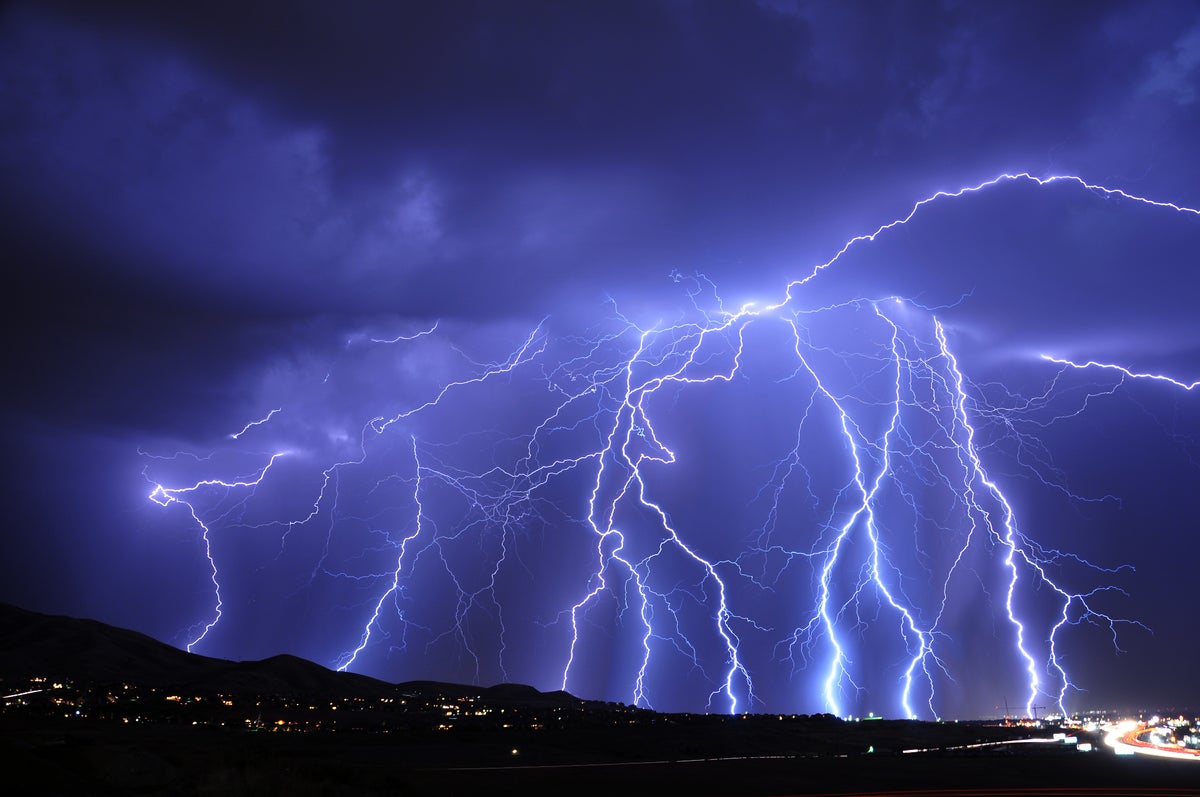
Recent studies have identified a phenomenon called "thunderquakes," which occur when energy from large explosions or impacts reaches the ground and generates seismic waves. This unique form of seismic activity provides a new method for scientists to explore hidden structures deep within the Earth. Researchers are beginning to harness these waves to improve our understanding of the planet's interior.
The concept of thunderquakes is particularly relevant now as the need for more detailed geological surveys increases. Traditional methods of studying the Earth's subsurface often lack the resolution needed to identify specific formations or resources. As industries push for more efficient extraction of natural resources and as communities seek to better understand geological hazards, scientists are looking for innovative approaches to gather this information. Thunderquakes offer a way to utilize existing energy events, such as those from mining, for seismic research.
Data from thunderquakes can reveal details about the composition and behavior of rocks several miles below the surface. By analyzing the seismic waves that result from these events, geophysicists can map underground structures with greater precision. This could lead to discoveries about mineral deposits, water reservoirs, and even fault lines that could pose risks for earthquakes. Initial studies suggest that these waves can be as informative as those from traditional seismic surveys, but at a fraction of the cost and time.
As research progresses, the implications of using thunderquakes could extend beyond resource extraction. Improved understanding of the Earth's internal structures can enhance our preparedness for natural disasters. By better predicting seismic activity, communities at risk can implement more effective safety measures. The exploration of thunderquakes may also open up new avenues for collaboration between scientists and industries, fostering innovation in how we study and interact with our planet.
Read Full Story at Scientific American →