How changes to Endangered Species Act regulations could hurt wildlife
The Endangered Species Act is getting weaker Recent changes to the implementation of the Endangered Species Act could put wildlife at risk By Rachel Feltman , Fonda Mwangi , Alex Sugiura & Alli Rod…
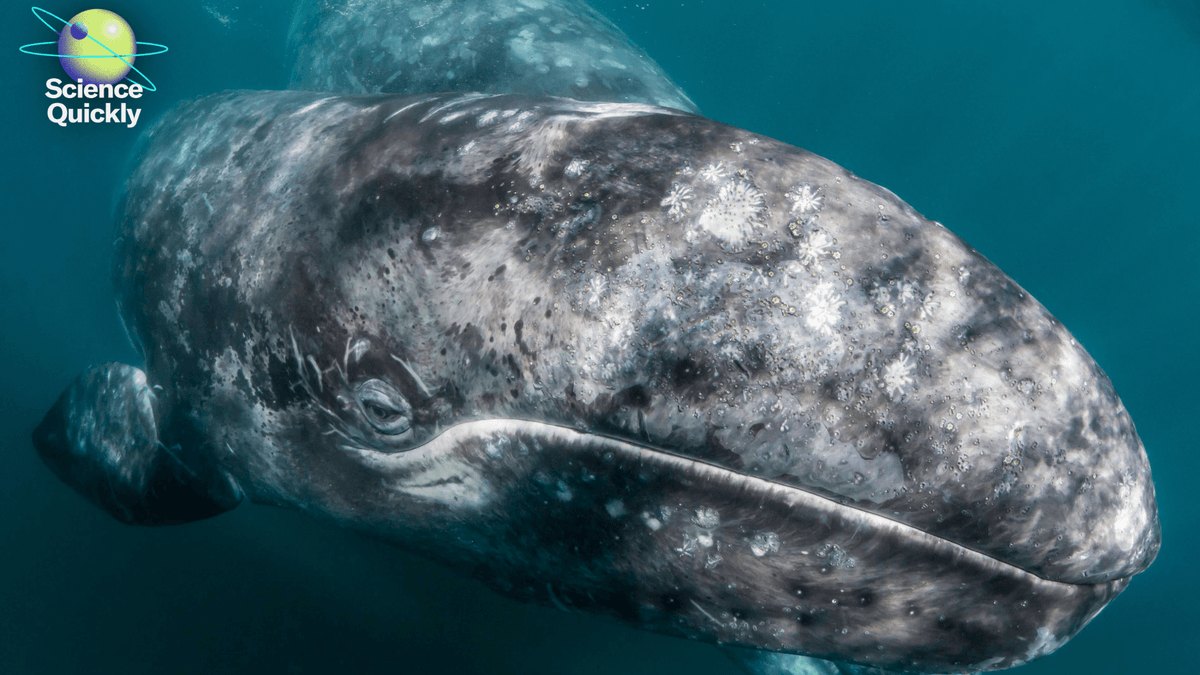
Recent changes to the implementation of the Endangered Species Act could put wildlife at risk
By Rachel Feltman , Fonda Mwangi , Alex Sugiura & Alli Rodgers
Rachel Feltman: For Scientific American ’s Science Quickly, I’m Rachel Feltman.
What does it mean to cause “harm”? If someone walked into your house and slapped you across the face, I think just about anyone would agree that they had meant you harm—and caused it! But what if someone decided to say build their own house right where yours was, and they barrelled right in with a wrecking ball while you were eating your cornflakes? Most people would, I think, still consider that to be—harmful. Now, for humans, of course, we’re protected from both of these scenarios by numerous laws. But when it comes to other species? Not necessarily. And species at risk of extinction in the U.S. could have a lot more wrecking balls coming their way in the near future.
Since 1973 the Endangered Species Act , or ESA, has helped protect species at risk of extinction throughout the United States. Last month the U.S. Fish and Wildlife Service announced some troubling changes to the way the ESA will be implemented, including a new definition of what it means to “harm” an endangered species .
If you're enjoying this article, consider supporting our award-winning journalism by subscribing . By purchasing a subscription you are helping to ensure the future of impactful stories about the discoveries and ideas shaping our world today.
Our guest today is Lynne Barre, who formerly worked as a marine biologist for the National Oceanic and Atmospheric Administration. She’s here to talk us through some of the revisions to the Endangered Species Act and what they could mean.
Feltman: Thank you so much for coming on to talk with us today.
Read Full Story at Scientific American →