Eli McCreary loses Medicaid coverage after kidney cancer diagnosis in Nebraska
Eli McCreary lost his Medicaid coverage shortly after being diagnosed with kidney cancer due to Nebraska's new work requirement rule, which he cannot meet due to his health issues. This situation und…
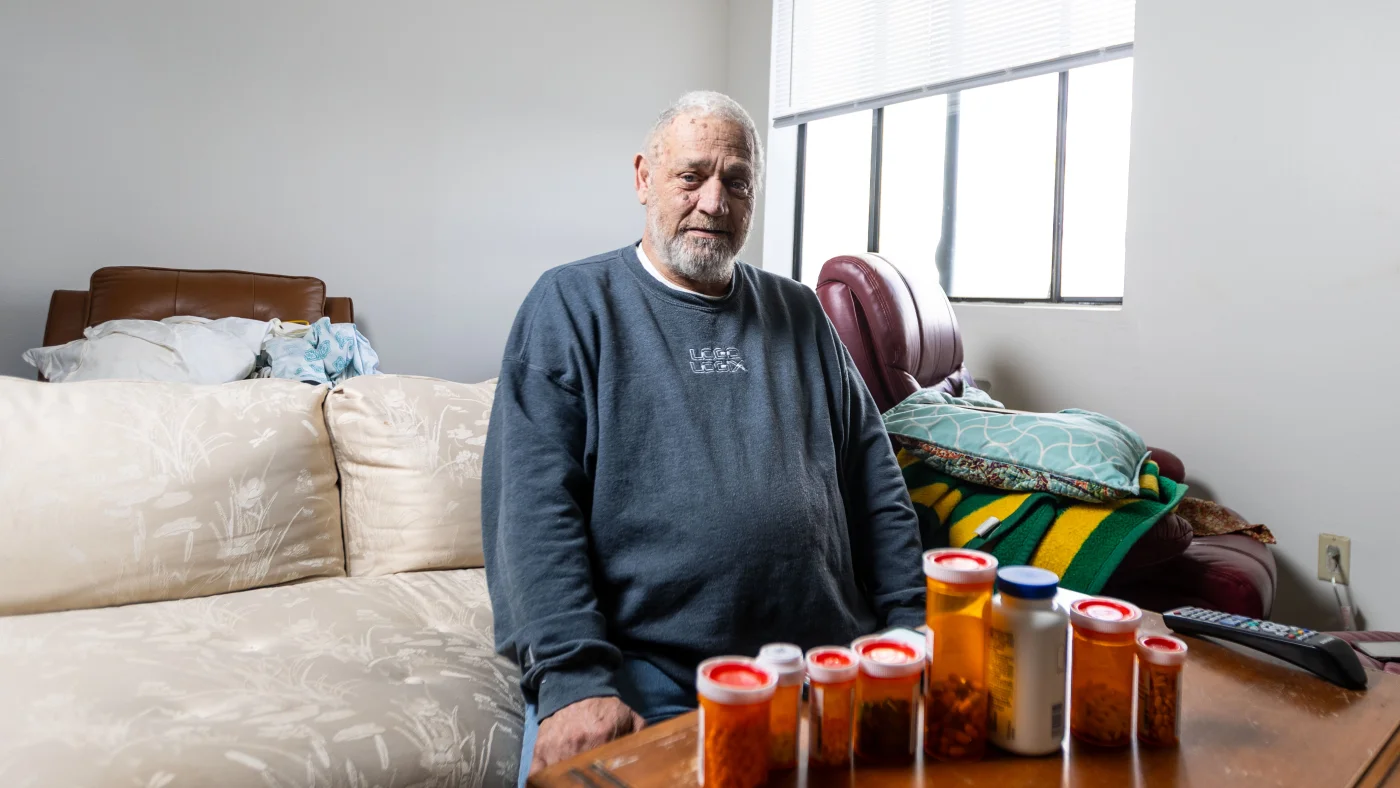
Eli McCreary, a 64‑year‑old Omaha resident, was told by CHI Health that his Medicaid coverage had been terminated just days after doctors diagnosed him with kidney cancer, and the hospital warned it would cancel his appointments unless he could pay out‑of‑pocket.
Nebraska rolled out a new Medicaid work‑requirement rule on May 1, making it the first state to enforce the Trump administration’s One Big Beautiful Bill Act. The policy, which demands beneficiaries either work or meet other qualifying activities, applies to people who are not disabled and who earn below a certain threshold. McCreary, who has long struggled with drug addiction, diabetes, chronic obstructive pulmonary disease and limited mobility, was told by a state call‑center that he had failed to meet the work‑requirement and therefore lost his coverage.
McCreary said he cancelled a CT scan and postponed a specialist visit after the loss of benefits, missing a critical window for cancer treatment. He explained that his health conditions leave him unable to work, and he has no realistic job options. The hospital’s spokesperson, Taylor Miller, declined to comment on the specific case, but an emailed statement affirmed CHI Health’s commitment to helping patients understand coverage and financial assistance. Nebraska Governor Jim Pillen praised the new rule, saying the state was “excited to be the first to make it happen,” while the governor’s office and the state health department have not responded to further inquiries.
The episode highlights the immediate impact of the work‑requirement policy on vulnerable patients just as the nation debates Medicaid reforms. Democrats in Congress have pledged to repeal the work‑requirement provisions in their first 100 hours if they regain control of the House and Senate, but a presidential veto could block that effort. For McCreary and others in similar situations, the question remains whether the state will grant exemptions or provide alternative assistance before the cancer progresses further.
Read Full Story at NPR Health →