Ituri center discharges last Ebola patient, ending active cases
The last Ebola patient was discharged from an Ituri province treatment center, ending active cases there for the first time since May. This milestone allows health officials to redirect resources to …

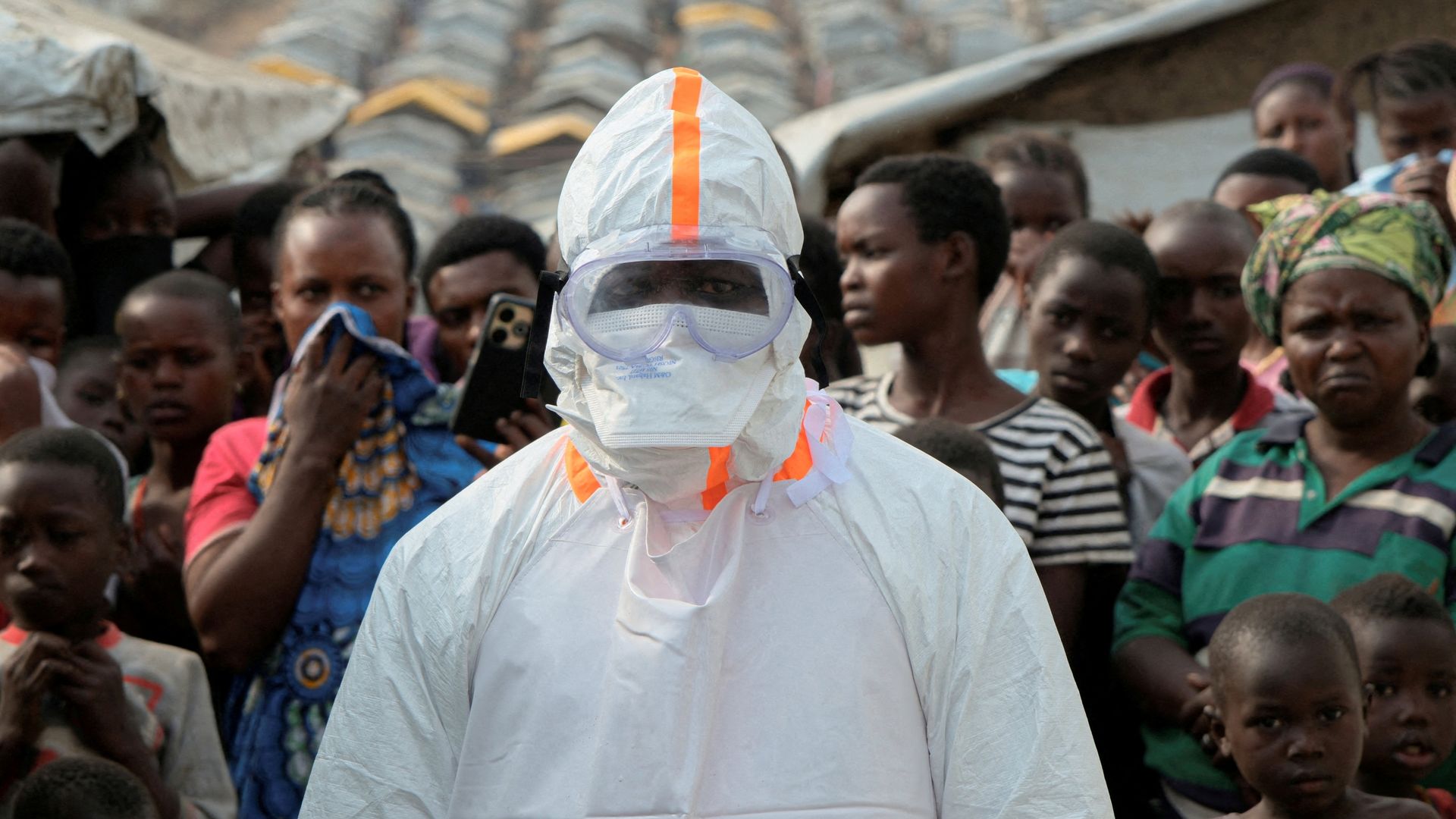
Medical staff and residents at a treatment centre in Ituri province have celebrated the discharge of the last confirmed Ebola patient, marking the first time since May that the facility is treating zero active cases. In a moment of rare relief, workers and patients danced and sang to commemorate the milestone, a symbolic end to the intense daily struggle against the hemorrhagic virus in one of the country’s most volatile regions. The celebration underscores the exhausting, high-stakes nature of Ebola response work, where every discharged patient represents a significant victory in a battle that has claimed thousands of lives over the past decade.
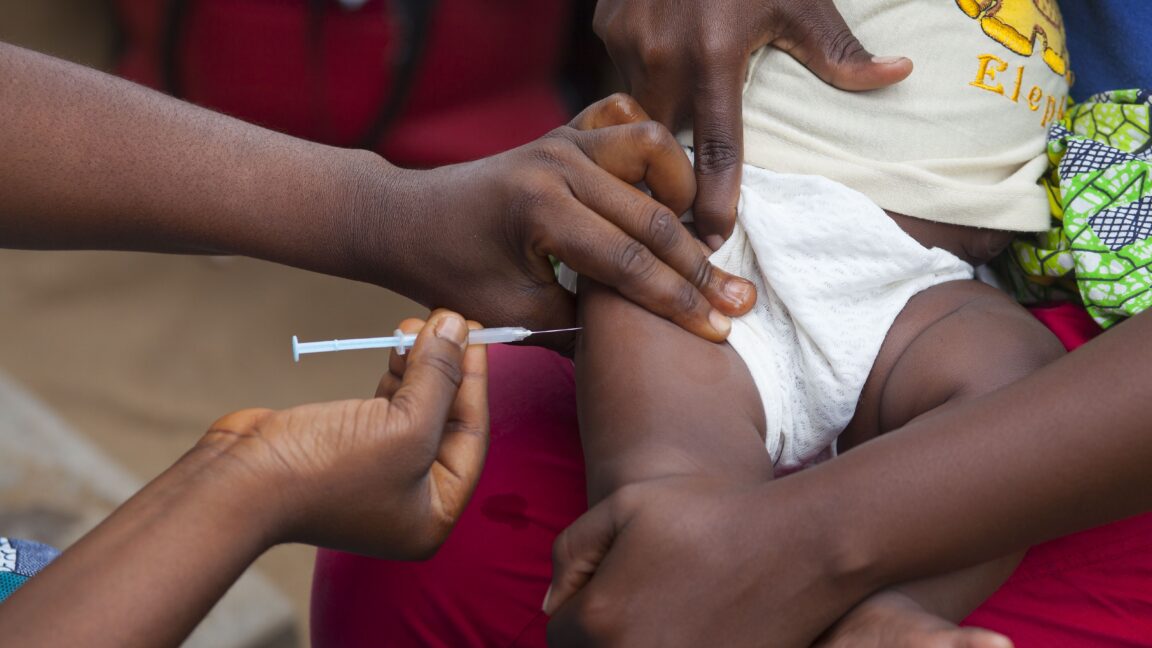
This progress comes after a prolonged and difficult campaign to contain the outbreak, which was complicated by the presence of armed groups and deep-seated rumors about the disease. The Ituri region, located in the northeast of the Democratic Republic of Congo, has been a persistent hotspot for Ebola since 2018, with multiple waves of infection spreading through remote communities. Health officials have faced significant hurdles, including limited access to affected areas, distrust of medical personnel, and the logistical nightmare of transporting patients by air or rough road. The recent decline in cases is attributed to a combination of aggressive vaccination drives, improved contact tracing, and a shift in community engagement that has helped reduce fear and misinformation.
The discharge of these final patients does not mean the threat has vanished; it indicates that the immediate surge in transmission has been broken at this specific site. However, epidemiologists warn that the virus remains highly contagious and capable of causing new outbreaks in areas with low immunity. The closure of active treatment capacity in this center allows health resources to be redirected to other hotspots or to prepare for future incidents. This moment serves as a critical data point for global health agencies, demonstrating that sustained, localized intervention strategies can effectively suppress the disease even in conflict-affected zones.
Looking ahead, the focus now shifts to maintaining vigilance and strengthening the long-term health infrastructure in the region. International partners and the Congolese government must ensure that surveillance systems remain robust to detect any new cases early. The success in Ituri offers a hopeful model for other parts of Central Africa, showing that coordinated efforts between local communities and medical teams can turn the tide against Ebola. Yet, the underlying conditions that allow the virus to spread, such as poverty, lack of healthcare access, and political instability, remain unresolved. For now, the silence in the treatment center is a welcome pause, but the fight to eradicate the disease from the region continues.
Read Full Story at France 24 →