Greenland ice sheet loses 300 billion tonnes for 30th consecutive year
Greenland's ice sheet has lost approximately 300 billion tonnes of ice for the 30th consecutive year, raising global sea levels by about 0.8 mm. This ongoing decline, fueled by climate change, poses …
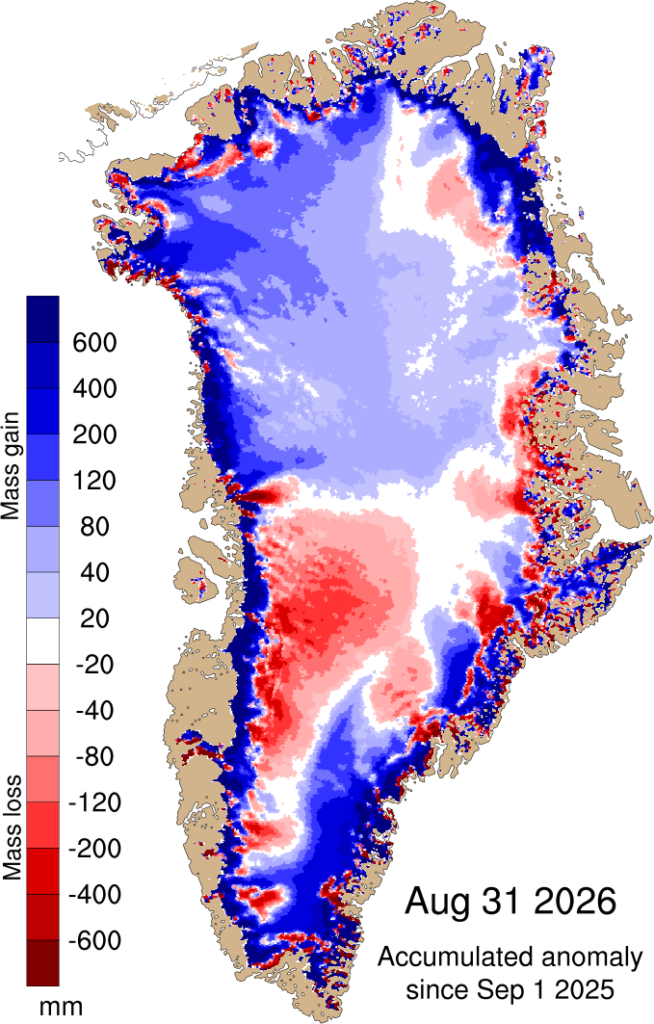
Greenland’s ice sheet lost more ice than it gained for the 30th straight year, according to a new analysis released on Monday covering the 12‑month period from August 2023 to July 2024. The study, based on satellite gravimetry and laser altimetry, estimates a net loss of about 300 billion tonnes of ice, enough to raise global sea level by roughly 0.8 mm in that year alone. The finding marks three decades of uninterrupted decline, a record stretch that scientists say underscores the accelerating impact of a warming climate.
The trend matters because Greenland holds enough frozen water to lift sea levels by more than six metres if it were to melt completely. Even a fraction of that melt adds up quickly, threatening coastal cities worldwide. The loss is driven by higher air temperatures, longer melt seasons, and warmer ocean currents that erode the ice sheet’s margins. Over the past ten years, the Arctic has warmed at twice the global average, a pattern that fuels both surface melt and basal melting from below.
The latest figures come from the European Space Agency’s CryoSat‑2 and NASA’s GRACE‑Follow‑On missions, which together track changes in ice thickness and mass. Researchers at the University of Copenhagen reported that the 2023‑24 melt season was 12 % more intense than the previous year, with melt ponds covering a larger portion of the surface. The Intergovernmental Panel on Climate Change has warned that continued loss could push the Greenland ice sheet toward a point of irreversible decline. Climate scientists say the current rate of loss is faster than most model projections, suggesting that warming feedbacks are stronger than previously thought.
Looking ahead, scientists say monitoring will intensify as the ice sheet approaches a critical threshold. New satellite constellations slated for launch in 2027 aim to provide daily coverage of melt patterns. Policymakers are being urged to factor the accelerating sea‑level rise into coastal planning and infrastructure upgrades. The next decade will be decisive: cutting greenhouse‑gas emissions sharply could slow the melt, but without decisive action the world may see several centimetres of sea‑level rise by 2050, reshaping coastlines and displacing millions.
Read Full Story at Carbon Brief →