Matt Hasselbeck volunteers brain for CTE research to aid diagnosis efforts
Former NFL quarterback Matt Hasselbeck has volunteered his brain for chronic traumatic encephalopathy (CTE) research, aiming to advance the understanding and diagnosis of the disease in living indivi…
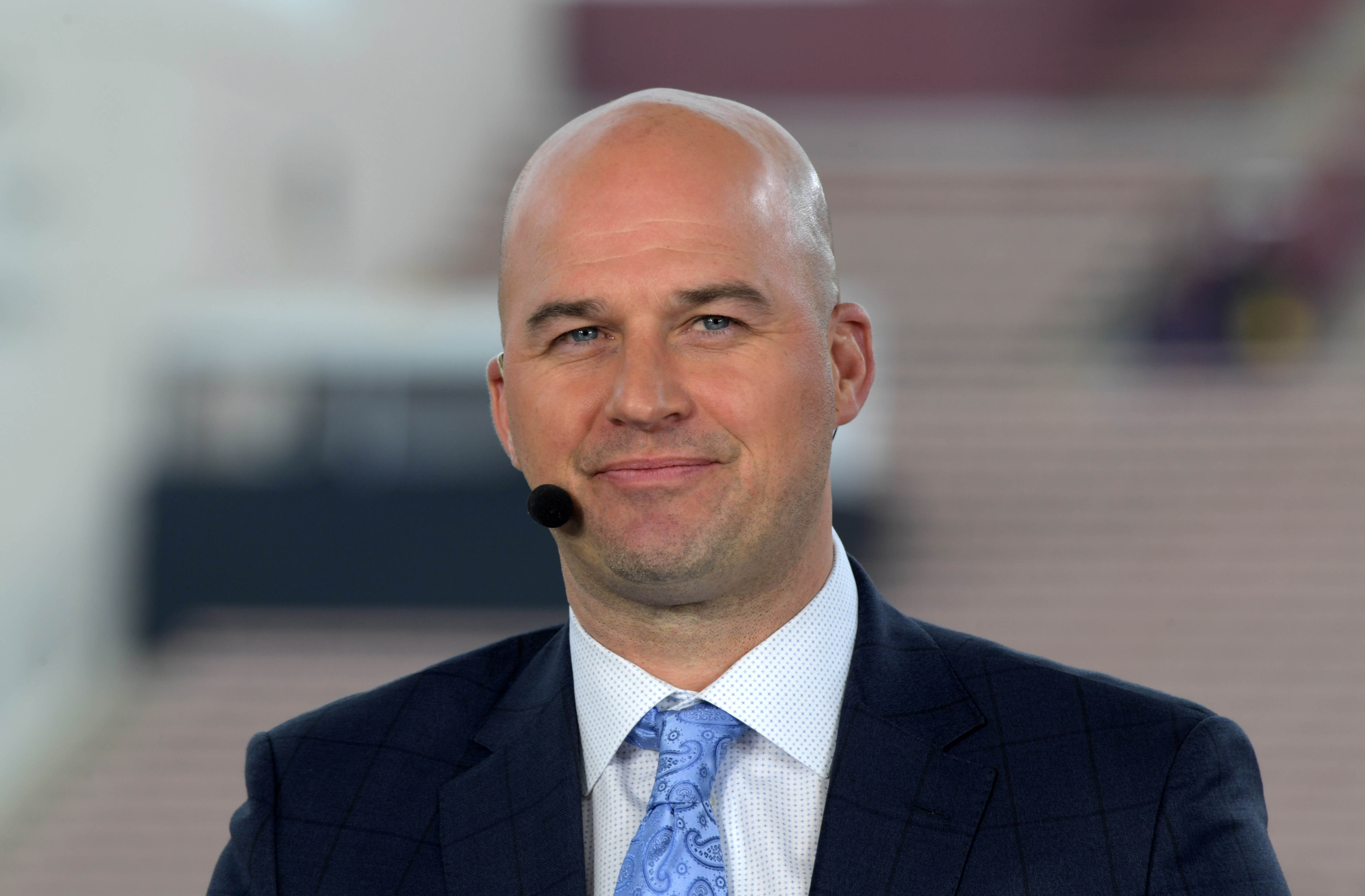
Former NFL quarterback Matt Hasselbeck has volunteered his brain for research on chronic traumatic encephalopathy (CTE), a degenerative brain disease linked to repeated head trauma. His decision comes at a time when the NFL grapples with the ongoing fallout of CTE, as more former players speak out about their struggles and the lack of a reliable diagnosis while alive. This move highlights the urgent need for advancements in understanding and diagnosing CTE.
CTE is a serious concern in football and other contact sports. Currently, it can only be diagnosed after death through an examination of brain tissue. This limitation has led to widespread anxiety among players, who fear the long-term effects of their careers. The NFL has faced lawsuits from former players over its handling of head injuries and CTE research. Hasselbeck's participation in research aims to bring more attention to this issue and potentially help develop methods for diagnosing the disease before it becomes a posthumous concern.
Hasselbeck's decision is significant because it adds a high-profile name to the growing list of athletes willing to contribute to CTE research. Experts believe that studying the brains of living former players could shed light on the disease's progression and symptoms. Hasselbeck hopes that his involvement will encourage others to participate in similar studies, helping to create a clearer picture of CTE and its impact on athletes' lives.
Looking ahead, researchers are optimistic that advancements in imaging technology and biomarkers will eventually lead to a way to diagnose CTE in living individuals. For Hasselbeck and many former players, this research is not just about science; it's about the future of player safety. As awareness grows and more athletes step forward, the hope is that the sports community will prioritize brain health, leading to better protections for current and future players.
Read Full Story at Yahoo Sports →