FAA invests $875 million in AI tool to reduce D.C. air traffic delays
The FAA is investing $875 million in an AI system to manage air traffic congestion in Washington D.C., with a pilot launch expected this summer. The tool aims to reduce delays by up to 15% and is par…
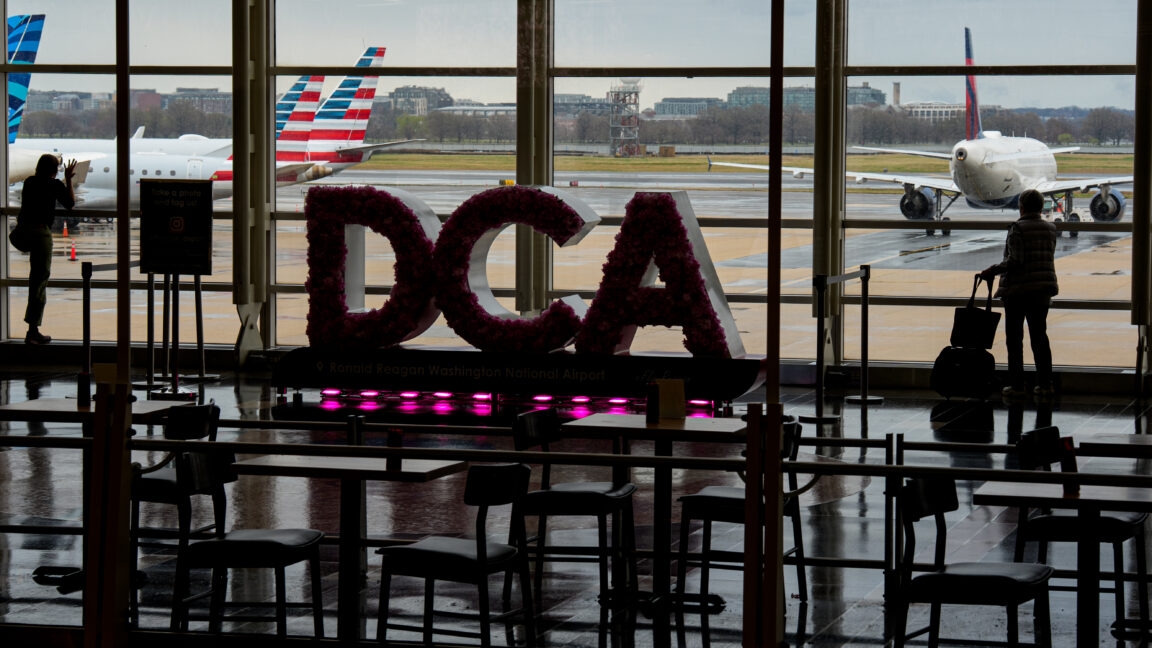
FAA announced on Thursday it will invest $875 million in an artificial‑intelligence system to ease congestion at Washington‑D.C.’s busy airspace, with a pilot launch set for the summer before a nationwide rollout. The plan, unveiled at a press briefing in Washington, will test the new tool at the region’s three major airports—Dulles, Reagan National and Baltimore‑Washington International—over the next 12 months.
The move comes as U.S. air traffic has surged to record highs, with the FAA reporting a 5 % increase in flights last year and a projected 12 % rise by 2030. Congestion around the nation's capital has been a perennial headache: delays average 30 minutes in the D.C. corridor, and the region sees more than 20 000 flights a month. The aging radar and communication infrastructure cannot keep pace with the demand, and the FAA’s Air Traffic Control Modernization Act of 2018 has made it clear that new technology is needed to maintain safety and efficiency.
The AI system will use machine‑learning algorithms to predict traffic patterns and suggest optimal flight paths in real time. It will also integrate weather data, runway capacity and aircraft performance to reduce holding patterns and idle fuel burn. In a statement, FAA Administrator Mike Whitaker said the tool could cut delays by up to 15 % and save airlines millions in fuel costs. Airlines and pilots have expressed cautious optimism, noting that any system that improves predictability could also reduce crew fatigue and maintenance costs.
If the pilot proves successful, the FAA plans to roll the system out across the country over the next three to five years, starting with the busiest hubs. The agency will work with the National Airspace System Integration Center and the FAA’s Office of Aviation Safety to ensure the AI tool meets rigorous safety standards. The project is part of a broader $2.5 billion investment in modernizing air traffic control, aimed at reducing delays, improving safety and keeping the U.S. aviation system competitive in a rapidly changing technological landscape.
Read Full Story at Ars Technica →