Scientists release CMIP7 scenarios projecting up to 3°C warming by 2100
Scientists released CMIP7 scenarios outlining five climate futures by 2100, including projections of over 3°C warming under high-emission paths and brief overshoot of 1.5°C even in the best case. The…
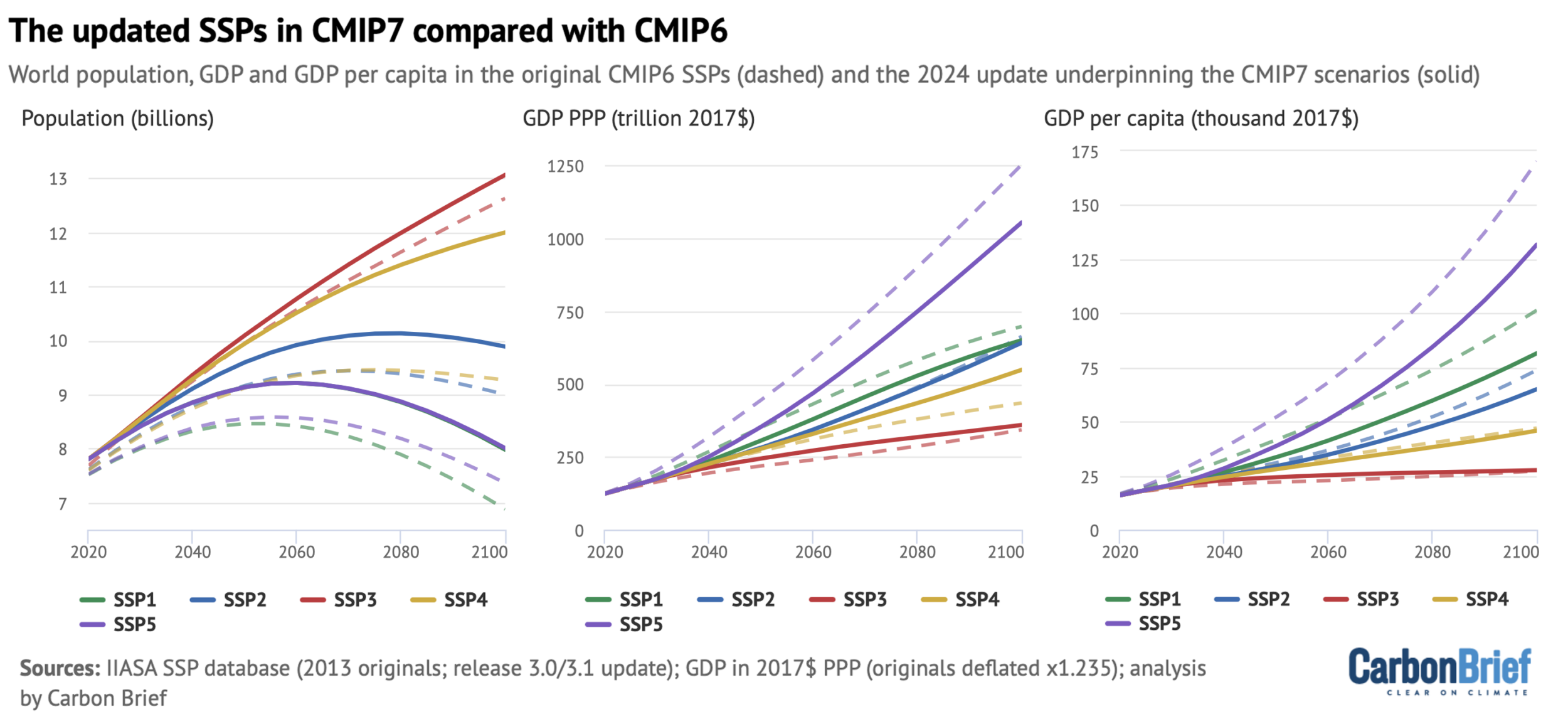
Scientists have released a new set of projections that map out how Earth’s climate could change by 2100 under five broad storylines. The Coupled Model Intercomparison Project Phase 7 (CMIP7) scenarios, unveiled this week, give governments and companies a fresh tool to plan for heat waves, sea-level rise and extreme weather. The work comes as the UN warns global emissions must fall by 43% this decade to meet the Paris Agreement goal.
The scenarios are built around how societies might evolve: rapid economic growth with high fossil-fuel use, regional rivalry with slower cooperation, or coordinated global action toward sustainability. Each storyline includes assumptions about population, technology, energy prices and land use. Researchers used these to run dozens of climate models, producing new estimates for temperature, rainfall and ice melt. The data will feed into the next UN climate report, due in 2027.
Early results suggest the hottest pathway—fueled by continued coal and oil expansion—could push global warming past 3°C by 2100, nearly double the Paris target. Even the most optimistic scenario, with immediate cuts and widespread clean-energy use, still overshoots 1.5°C briefly before cooling by century’s end. The projections also show Arctic summer ice disappearing entirely under high-emission paths, while low-emission paths could restore some ice by 2080. Developing nations face the sharpest heat risks, with parts of South Asia and Africa projected to see 50 more days per year above 40°C under the worst case.
Policy makers now have until 2025 to incorporate the findings into national climate plans. The scenarios will guide everything from flood defenses to electric-grid investments. Scientists stress the urgency: every tenth of a degree matters. The next round of UN climate talks, in Baku this November, will debate whether nations should adopt stricter targets based on the new projections.
Read Full Story at Carbon Brief →