Former Olympian plans lawsuit against Trump administration after indictment dismissal
A former Olympic athlete plans to sue the Trump administration after federal prosecutors moved to dismiss a ten-year prison indictment related to his involvement in damaging the Lincoln Memorial Refl…
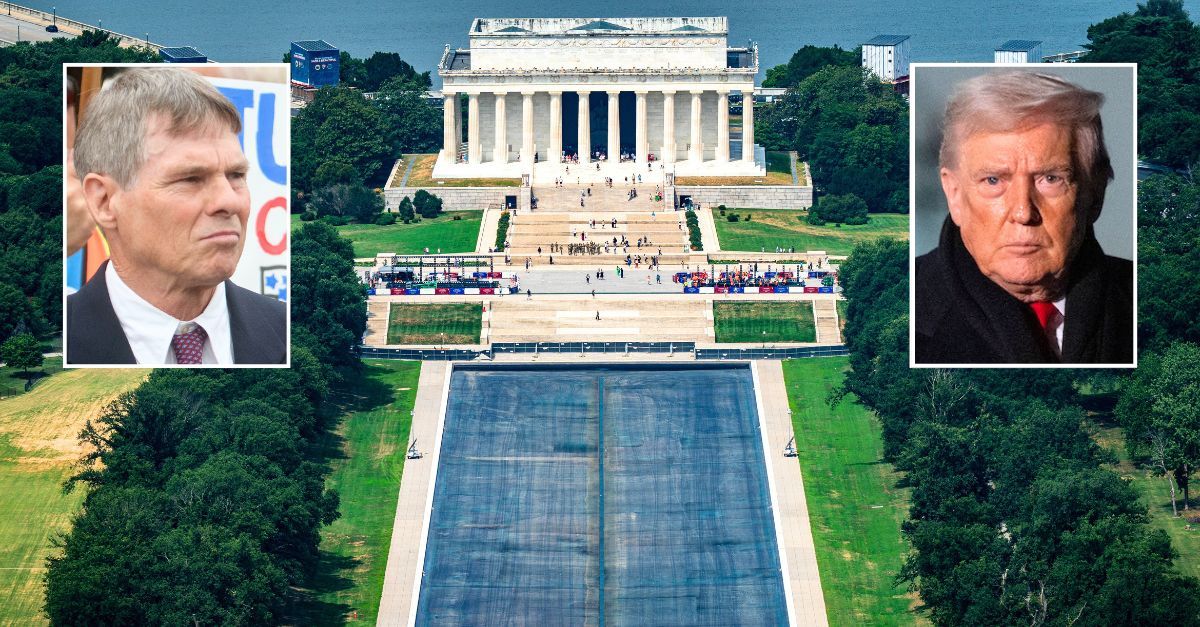
A former Olympic athlete is preparing to file a civil lawsuit against the Trump administration after federal prosecutors moved to dismiss an indictment that once carried a potential sentence of ten years in prison. The legal action stems from the athlete's alleged involvement in damaging the Lincoln Memorial Reflecting Pool in Washington, D.C., a high-profile incident that quickly escalated into a political flashpoint. The shift in federal strategy, which sees the government now seeking to throw out the criminal charges it previously pursued with aggressive zeal, has left the defendant with a compelling case for malicious prosecution and abuse of power. His legal team argues that the severity of the initial charges was disproportionate to the alleged conduct and driven by political motives rather than genuine public safety concerns.
The background of this case reveals a significant escalation in how the Department of Justice handled protests during the Trump presidency. The athlete, identified as a decorated competitor, was arrested during a demonstration where demonstrators entered the restricted area of the Reflecting Pool. While such actions typically result in minor misdemeanor charges or civil fines, federal prosecutors initially pushed for felony charges that could have landed him in prison for a decade. This aggressive stance was widely criticized by legal experts and civil rights advocates, who viewed it as an attempt to intimidate protesters and set a harsh precedent for dissent. The indictment was part of a broader crackdown on anti-lockdown and anti-restriction protests in the nation's capital, where the Trump administration frequently deployed federal agents to remove demonstrators. The disparity between the alleged crime and the proposed punishment sparked national debate about the weaponization of the justice system against political opponents.
The recent motion to dismiss the indictment marks a dramatic reversal for the Justice Department. Prosecutors have cited new evidence and a reassessment of the legal merits of the case, effectively acknowledging that the initial charges were unsustainable. For the former Olympian, this dismissal is not just a victory in the criminal court but the foundation for a civil rights claim. His lawyers are likely to argue that the government's actions violated his constitutional rights, including protection against excessive punishment and due process. The potential lawsuit seeks monetary damages and an official record of the government's misconduct. It also serves as a test case for holding federal agencies accountable when they pursue politically motivated prosecutions that ultimately fail. The details of the motion to dismiss will be scrutinized by courts and the public alike, as they may reveal internal communications or strategic decisions that support the claim of bad faith.
What happens next will depend on the timing of the civil filing and the government's response. The Trump administration, now a past executive branch, may still defend itself through current legal counsel, arguing that prosecutors acted in good faith at the time. However, the optics of dropping such severe charges after public outcry work heavily against them. This case highlights the lingering legal and political fallout from the administration's handling of protests. It underscores the risks of using extreme legal measures for political ends, as they can backfire and create long-term liabilities. For the former Olympian, the lawsuit is a way to clear his name and seek restitution for the stress and reputational damage caused by the ordeal. It also sends a message to other protesters and activists that the justice system can be challenged when it is perceived as unfair. The outcome could influence how future administrations approach protests and the use of federal power in domestic disputes. As the legal battle unfolds, it will remain a focal point for discussions on justice, accountability, and the rule of law in America.
Read Full Story at Law & Crime →