France commemorates the Vel d’Hiv roundup after a Paris plaque honoring rescuers is vandalized
PARIS (AP) — French police rounded up thousands of Jews over two days in July 1942, wresting children from their mothers’ arms and dispatching everyone to Nazi death camps.
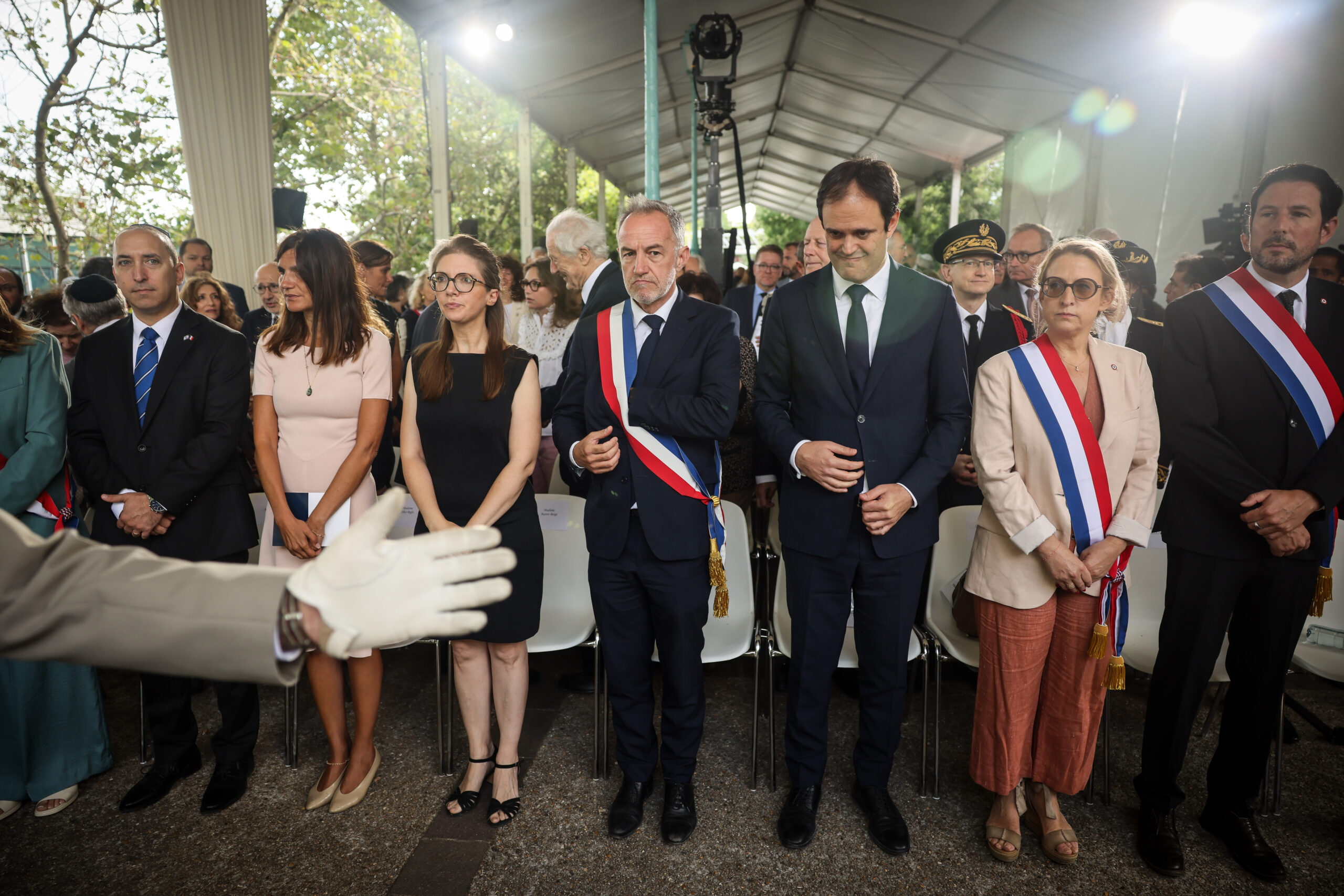
PARIS (AP) — French police rounded up thousands of Jews over two days in July 1942, wresting children from their mothers’ arms and dispatching everyon
Read Full Story at Religion News Service →Why This Matters
The vandalism of a plaque honoring the rescuers of the Vel d’Hiv roundup highlights the ongoing struggle with historical memory and the complexities surrounding France's World War II past. Commemorating such events is crucial not only for remembrance but also for confronting the legacy of complicity and resistance in a society grappling with issues of identity and racism today.
Background Context
The Vel d’Hiv roundup was one of the darkest moments in French history, where thousands of Jews were arrested and deported to concentration camps, with many never to return. This event occurred in the context of Nazi occupation, and it reflects the broader collaboration between the Vichy regime and Nazi Germany, a painful chapter that France has been slowly acknowledging over the decades.
What Happens Next
The vandalism incident may provoke renewed discussions about how France remembers its wartime history and the importance of education in combating anti-Semitism and extremist ideologies. It raises questions about the effectiveness of memorialization efforts in fostering a collective remembrance that honors both victims and heroes.
Bigger Picture
This incident is part of a larger trend in which public memorials and monuments become focal points for debates about history, identity, and social justice. As societies around the world confront their own historical injustices, the preservation and interpretation of collective memory will likely continue to evolve, influencing contemporary political and social dynamics.