Pseudonym discusses REA's impact on software transparency and user rights
The developer "Pseudonym" created REA, an AI tool that reverse engineers software from various devices, promoting transparency and user rights in technology. Its viral success raises concerns about p…
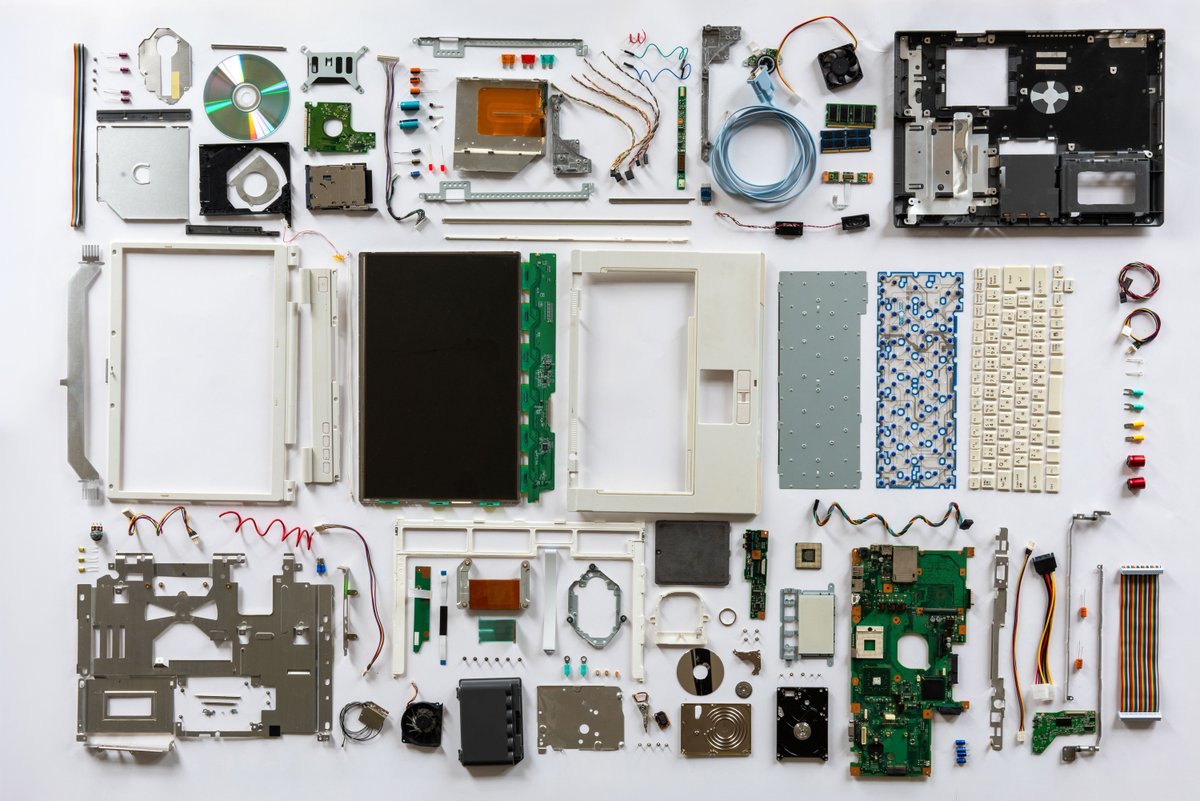
A developer known only as "Pseudonym" has created an AI tool named REA that can reverse engineer software from a wide range of devices, including printers, smart TVs, and cars. This tool has gained viral attention for its ability to dissect closed-source software, revealing how these applications function even when they are not designed for public access. The announcement of REA has sparked conversations about software transparency and user rights in the digital age.
The motivation behind REA's development stems from a growing demand for transparency in technology. As consumers increasingly rely on smart devices, there are concerns about security, privacy, and the control companies have over their products. Closed-source software often leaves users in the dark about how their devices operate, which can lead to vulnerabilities and misuse. REA aims to empower users by providing them with insights into the software they interact with daily, fostering a movement toward accountability in tech.
REA's creator emphasizes that the tool is intended for educational purposes. By allowing users to understand the inner workings of software, the hope is to encourage innovation and foster a community focused on better software practices. The tool has already attracted attention from software developers and security researchers eager to explore its capabilities. Early reactions highlight a mix of excitement and concern, particularly regarding potential misuse in hacking or piracy.
Looking ahead, the implications of REA could be significant. As more users gain access to such tools, it may encourage companies to adopt more open-source practices or face increased scrutiny from the public. This moment could mark a shift in the balance of power between tech companies and consumers, with the potential to reshape how software is developed and shared. The rise of tools like REA underscores the importance of transparency in technology and the evolving expectations of users in an increasingly digital world.
Read Full Story at Scientific American →