EU scientists report July ocean temps hit 20.96°C record
Global ocean temperatures averaged 20.96°C in July, the highest ever recorded, driven by El Niño and climate change. This threatens marine ecosystems, fuels extreme weather, and worsens land-based he…
Global ocean temperatures have hit a record high for July, according to the European Union’s Copernicus climate monitoring service. Sea surface temperatures, measured at 10 meters deep, averaged 20.96°C (69.7°F) across all oceans except the polar regions. The spike is driven by El Niño conditions in the tropical Pacific, a natural climate cycle that usually brings warmer ocean temperatures. The new record underscores the accelerating impact of climate change on marine ecosystems and weather patterns worldwide.
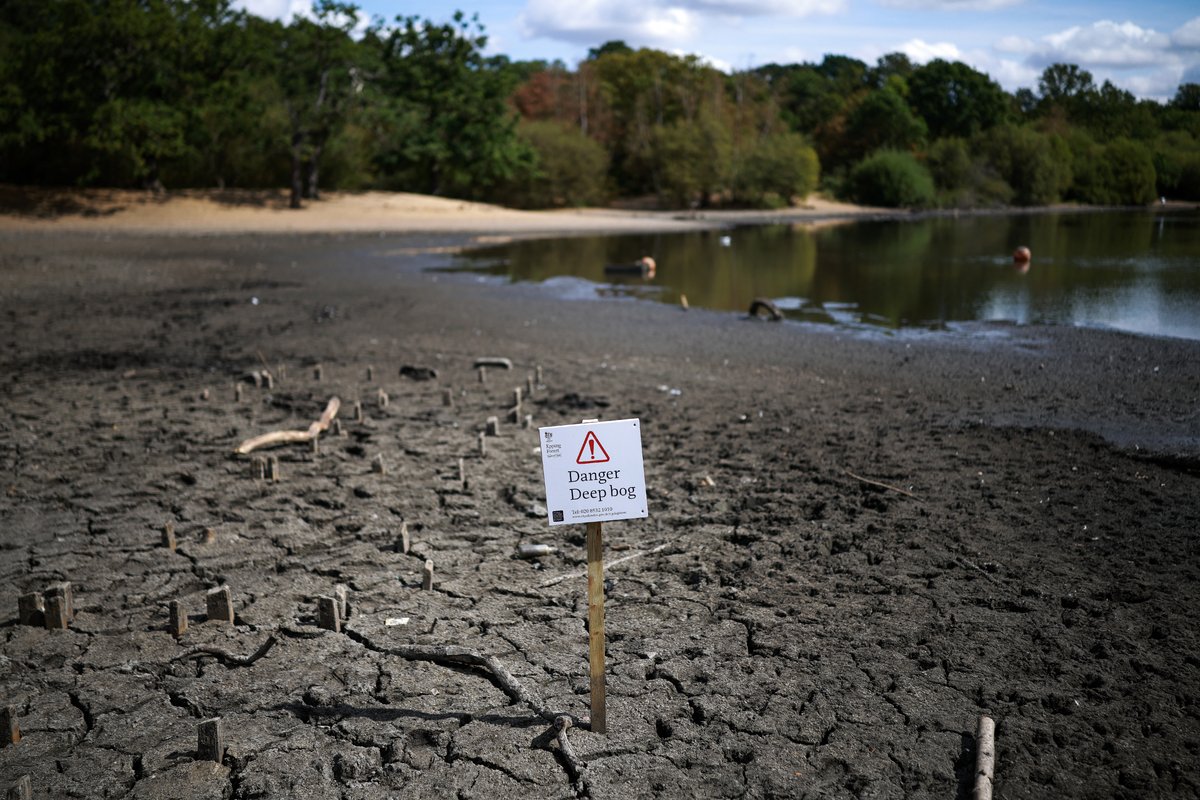
July also marked the second-highest global air temperatures on record, tying with July 2024 at 16.9°C (62.42°F), just behind July 2023’s peak. Europe experienced three straight months of extreme heat, fueling drought and wildfires across Western and Central Europe. Samantha Burgess, climate lead at the European Centre for Medium-Range Weather Forecasts, warned that persistent high-pressure systems trapped heat over western Europe, worsening dry conditions. “Soils lose their natural cooling ability as they dry out, allowing heat to build more easily,” she said. “This is a clear example of climate change intensifying heat extremes, with heat and drought reinforcing each other.”
The record ocean temperatures come as scientists warn of cascading effects on marine life and weather systems. Warmer oceans can disrupt fish populations, bleach coral reefs, and fuel more intense storms. The Copernicus data highlights a broader trend: the past decade has seen the highest ocean temperatures ever recorded, driven by both natural variability and human-caused warming. The El Niño event, now weakening, contributed to the surge, but long-term ocean warming remains the dominant factor.
As extreme heat becomes more frequent, experts say the world must brace for greater risks to food security, water supplies, and public health. The record-breaking July is a stark reminder that climate change is not a distant threat—it’s unfolding now, reshaping the planet’s oceans and atmosphere in real time. Without rapid cuts in greenhouse gas emissions, such records will likely become the norm rather than the exception.
Read Full Story at Scientific American →