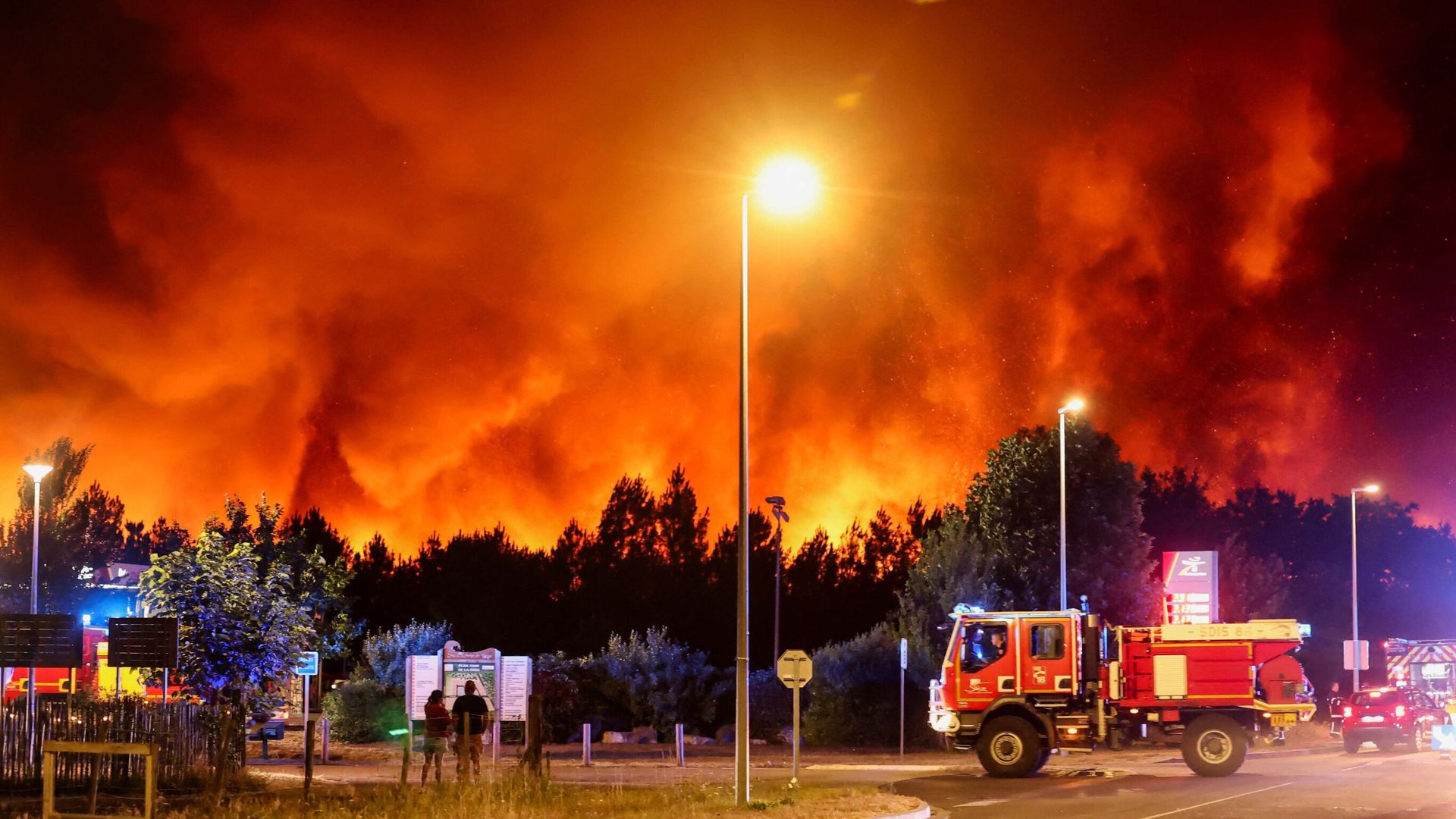
Studies show wildfire smoke poses greater prenatal risks than traditional pollution
Wildfire smoke is now a greater prenatal threat than traditional air pollution sources, as studies show it increases risks of low birth weight and preterm birth. This shift is attributed to climate c…
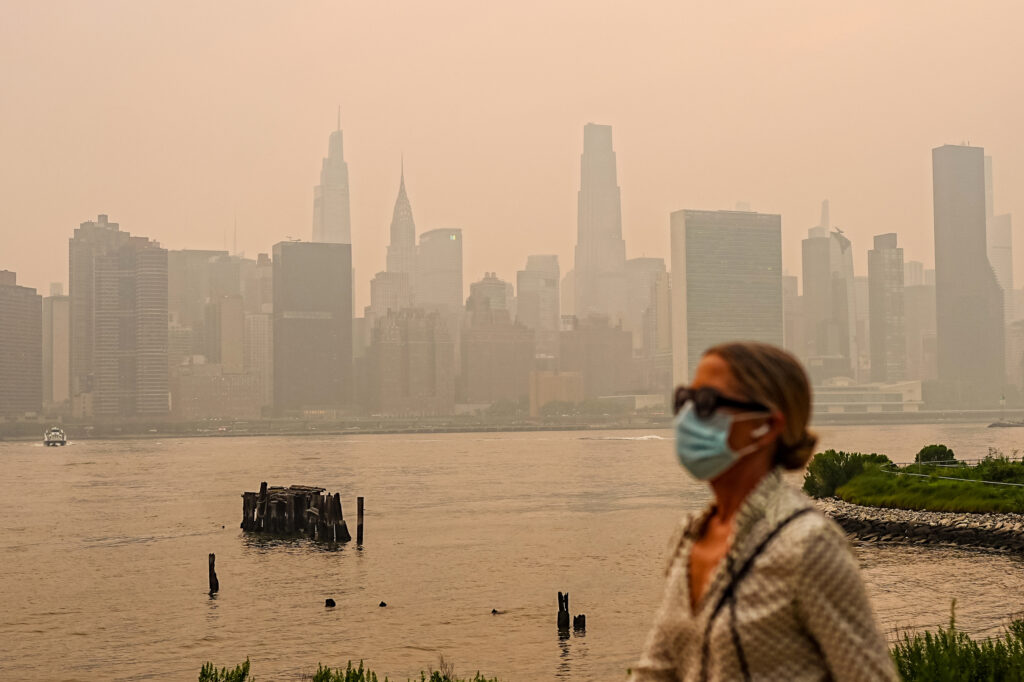
Wildfire smoke has emerged as a more significant prenatal threat than traditional human-made sources of air pollution. This alarming shift has been noted in multiple studies highlighting the rising dangers posed by natural disasters, particularly in the context of climate change. As wildfires become more frequent and intense due to rising temperatures and prolonged droughts, the health risks associated with smoke exposure during pregnancy are growing.
The changing landscape of air pollution is rooted in decades of environmental policy and climate change. The Clean Air Act, enacted in 1970, aimed to reduce harmful emissions from vehicles and industries. While this legislation has led to significant improvements in air quality in many urban areas, the increasing prevalence of wildfires has introduced new challenges. Climate change is exacerbating factors like drought and heatwaves, making wildfires more common and their smoke more pervasive. This shift in pollution sources means that expectant mothers are now facing greater risks from wildfire smoke, which contains harmful particulate matter and toxins linked to adverse birth outcomes.
Recent research underscores the dangers of wildfire smoke, finding that exposure during pregnancy is associated with low birth weight, preterm birth, and developmental issues. With wildfires becoming a regular occurrence across regions like the Western United States, the scale of this public health threat is staggering. In 2023 alone, wildfires have burned millions of acres, sending smoke across state lines and affecting air quality far from the flames. Communities are grappling with the realization that the air they breathe is not only a product of urban pollution but also of environmental disasters fueled by climate change.
Looking ahead, addressing the health impacts of wildfire smoke requires urgent action. Experts are calling for enhanced monitoring of air quality and public health initiatives aimed at educating pregnant women about the risks. As climate change continues to influence the frequency and intensity of wildfires, it is crucial to consider these natural sources of pollution in future air quality regulations. The health of future generations depends on our ability to adapt to these new realities and mitigate the harmful effects of wildfire smoke.
Read Full Story at Inside Climate News →