Warm Atlantic air spawned rare NYC tornadoes
Warm Atlantic air clashing with cold fronts spawned rare NYC tornadoes, disproving the myth of regional immunity. This highlights how climate-driven weather shifts endanger dense urban areas previous…
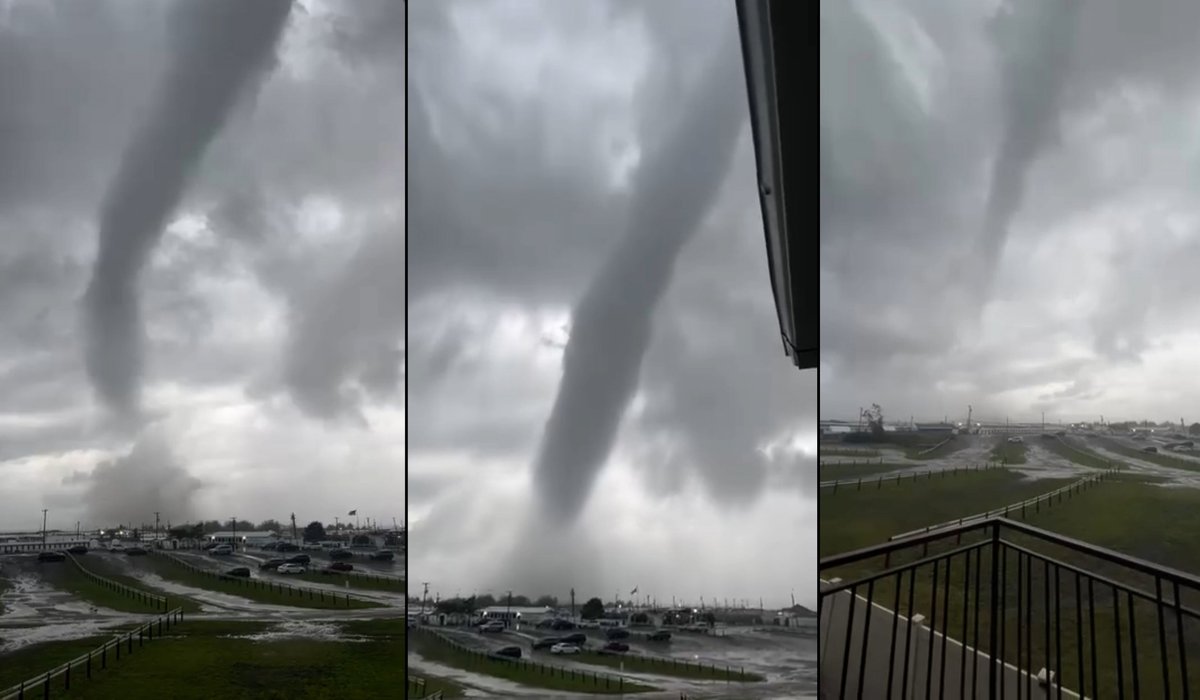
Tornadoes touched down in the New York metropolitan area this week, shattering the common belief that the region is immune to such violent weather. While twisters are far less frequent in the Northeast than in the central United States, they do occur when atmospheric conditions align perfectly. This recent event serves as a stark reminder that severe weather is not confined to the so-called Tornado Alley. Residents in New York City and surrounding counties were caught off guard as multiple reports of funnel clouds and debris fields emerged on social media and emergency broadcasts. The National Weather Service issued warnings as storms moved through Long Island and Westchester County, prompting shelters to open and power grids to brace for impact. Although no major casualties were reported, the event highlighted the vulnerability of dense urban environments to rapidly developing severe weather systems.
The reason for this unexpected outbreak lies in a specific and potent combination of atmospheric ingredients. Meteorologists point to a clash between warm, moist air rising from the Atlantic Ocean and a cold front pushing down from the north. This creates an unstable environment where warm air rises rapidly, colliding with cooler air masses to form powerful thunderstorms. When wind shear, which is a change in wind speed or direction with height, is present, these storms can rotate and spawn tornadoes. New York is situated in a zone where these conditions can occasionally converge, particularly during the transitional seasons of spring and fall. However, the increasing frequency of such events is also linked to broader climate trends. Warmer ocean temperatures provide more energy for storms, potentially increasing the intensity and unpredictability of severe weather events in regions previously considered low risk. This shift challenges long-held assumptions about regional weather patterns and forces emergency planners to rethink preparedness strategies.
The impact of these storms was felt across infrastructure and daily life. Downed trees blocked major highways, disrupting commuter traffic during rush hour. Power outages affected thousands of homes, leaving residents without heat or electricity during a chilly night. Emergency responders worked through the night to clear debris and assist stranded motorists. Local officials praised the rapid response of utility companies and first responders, noting that the high density of the population made quick action critical. However, the event also exposed gaps in public awareness. Many residents were unfamiliar with tornado safety protocols, assuming they only needed to worry about hurricanes or blizzards. Schools and workplaces in the affected areas had no specific drills for tornadoes, leading to confusion when sirens sounded. This lack of preparedness underscores the need for better education on severe weather risks in the Northeast.
Looking ahead, experts warn that this pattern may become more common. Climate models suggest that a warming atmosphere will hold more moisture, fueling stronger storms. This does not mean New York will become Tornado Alley, but it does mean that the risk is higher than historical data might suggest. Emergency management agencies are now reviewing their protocols to ensure they can respond to a wider range of threats. They are working with local governments to improve warning systems and public communication. For residents, the lesson is clear: severe weather can happen anywhere, at any time. Staying informed and knowing how to react can make the difference between safety and disaster. As the region adapts to a changing climate, understanding these new risks is essential for community resilience. The recent tornadoes are not an anomaly but a signal of a shifting weather landscape that demands attention and preparation.
Read Full Story at Scientific American →