Quebec’s floating island drifts 30 km
A large floating island in Quebec's Lac de la Savane moved 30 km due to wind, currents, and rising water levels from dam construction. This highlights how human activity and climate change can unpred…
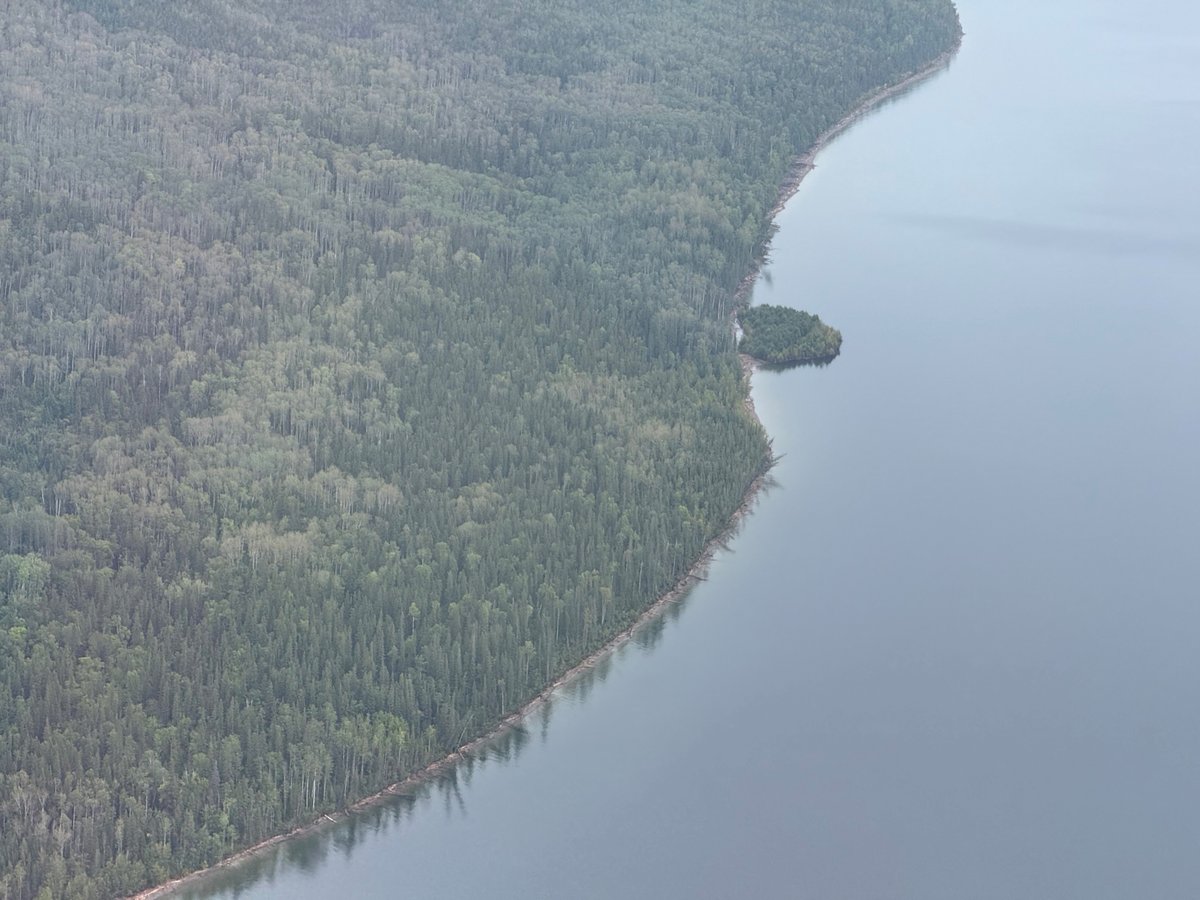
A floating island in a Canadian reservoir traveled more than 30 kilometers across the water, baffling locals and scientists alike.
The island, a large mat of vegetation and soil, broke free from its original location in Lac de la Savane, Quebec, likely due to a combination of strong winds, water currents, and rising water levels. Floating islands are rare but not unheard of—they form when chunks of land detach from the shore, often in areas with fluctuating water levels. This particular island, however, covered an unusually large area, making its movement more noticeable.
Researchers say the phenomenon highlights how climate change and human activity, such as dam construction, can alter water systems in unexpected ways. In this case, the reservoir’s water levels were artificially raised, weakening the island’s anchor to the lakebed. Local residents reported seeing the island drift over several weeks before it settled in a new spot. Scientists are now studying its movement to better understand how floating landmasses behave and their potential ecological impact.
The island’s journey may also serve as a warning. As extreme weather and shifting water levels become more common, similar events could occur elsewhere, reshaping landscapes and ecosystems in ways that are hard to predict. For now, the island remains a floating oddity—one that offers a glimpse into how nature adapts to change.
Read Full Story at Scientific American →