Why the tomb of the 'Disturber of the Universe' remains hidden after 800 years
History is rife with lost treasures , from Aztec gold hidden during the Spanish conquest to the Ark of the Covenant , which vanished during the destruction of Jerusalem over 2,500 years ago. In his b…
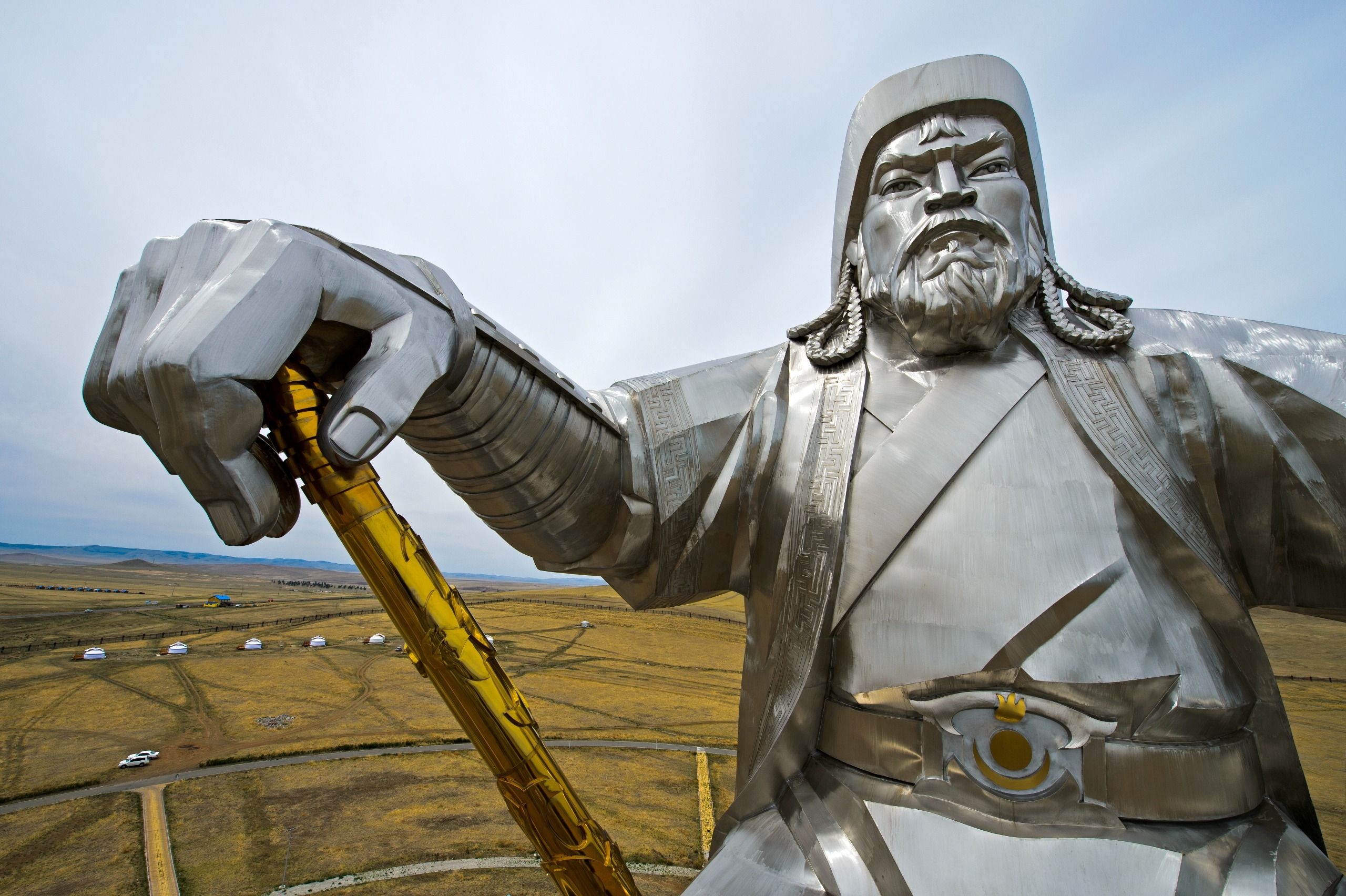
History is rife with lost treasures , from Aztec gold hidden during the Spanish conquest to the Ark of the Covenant , which vanished during the destruction of Jerusalem over 2,500 years ago. In his book, " The Museum of Lost Things: True Tales of Fabled Treasures, Legendary Cities, and Mythical Creatures That Vanished From History " (National Geographic Partners, LLC, 2026), writer Sam Kean examines all things lost to time.
In this excerpt from the book, he looks at how the tomb of Genghis Khan , arguably the most successful ruler in history, has remained hidden for nearly 800 years and counting.
If archaeologists could vote on which lost grave they'd most like to find , Genghis Khan's would likely appear near the top of the list — in part to fact-check the gruesome legends surrounding his burial.
He was born in Mongolia around 1162, and supposedly emerged from the womb clutching a clot of blood in his fist. By all rights, the boy — whose original name was Temüjin — should have died young. His father, a nobleman in their tribe, was poisoned by a rival tribe when Temüjin was nine, and greedy schemers within his own clan banished the boy's family to the empty steppes, expecting them to starve. Historical accounts describe Temüjin as overly sensitive, terrified of dogs and prone to crying.
But he grew up fast. Even before adolescence, he'd already been enslaved (he engineered his own escape) and killed his older half brother. As a young man he discovered that soldiering suited him, and he ruthlessly eliminated all potential rivals among other nomadic tribes, until he was crowned Genghis Khan — universal ruler — in 1206. His other nickname was the Disturber of the Universe. His warriors were bold and battle-tested, and when they stopped murdering each other and turned their attention outward, they proved unstoppable.
They favored blitzkrieg tactics, sweeping in on horses and bombarding the enemy with arrows. But they could be surprisingly patient, too, and perfected the art of siege warfare. One notorious siege involved the city of Merv, in what's now Turkmenistan. Merv was the Alexandria of its day: a desert oasis teeming with gardens and libraries, famous for its silks and refreshing melons.
The Mongols couldn't resist it, and when the terrified artists and merchants inside surrendered after just six days of siege, a massacre ensued. "It was a memorable day for shrieking and weeping," lamented one chronicle. After burning Merv for good measure, Genghis Khan ordered his troops to count the corpses. There were 700,000. Yet however crazy it sounds, life under Genghis Khan had its benefits. He allowed the conquered to worship whatever gods they liked, a rare example of religious tolerance. He introduced the idea of diplomatic immunity to facilitate negotiations, and outlawed torture during interrogations. He promoted free trade, and founded history's first international mail system.
Over time, his empire also spread key technologies like the compass, abacus, printing press, and paper currency, as well as key social programs like universal education for children. No one was more ruthless when conquering (ask Merv). But if the vanquished people picked up the pieces and swore fealty afterward, life generally improved under Mongol rule. Genghis Khan's realm stretched from Korea to the Caspian Sea, an area twice the size of the Roman Empire . (Under his successors, it grew to the size of Africa.) And he accomplished all this with an army of just 100,000 warriors — fewer people than some modern stadiums hold.
Read Full Story at Live Science →