Why the creative brain feeds on movement
Movement and creativity go hand in hand. Scientists are working to discover why By Amanda Loudin edited by Claire Cameron Luke Borsten, age 38, has been backpacking and making music since childhood…
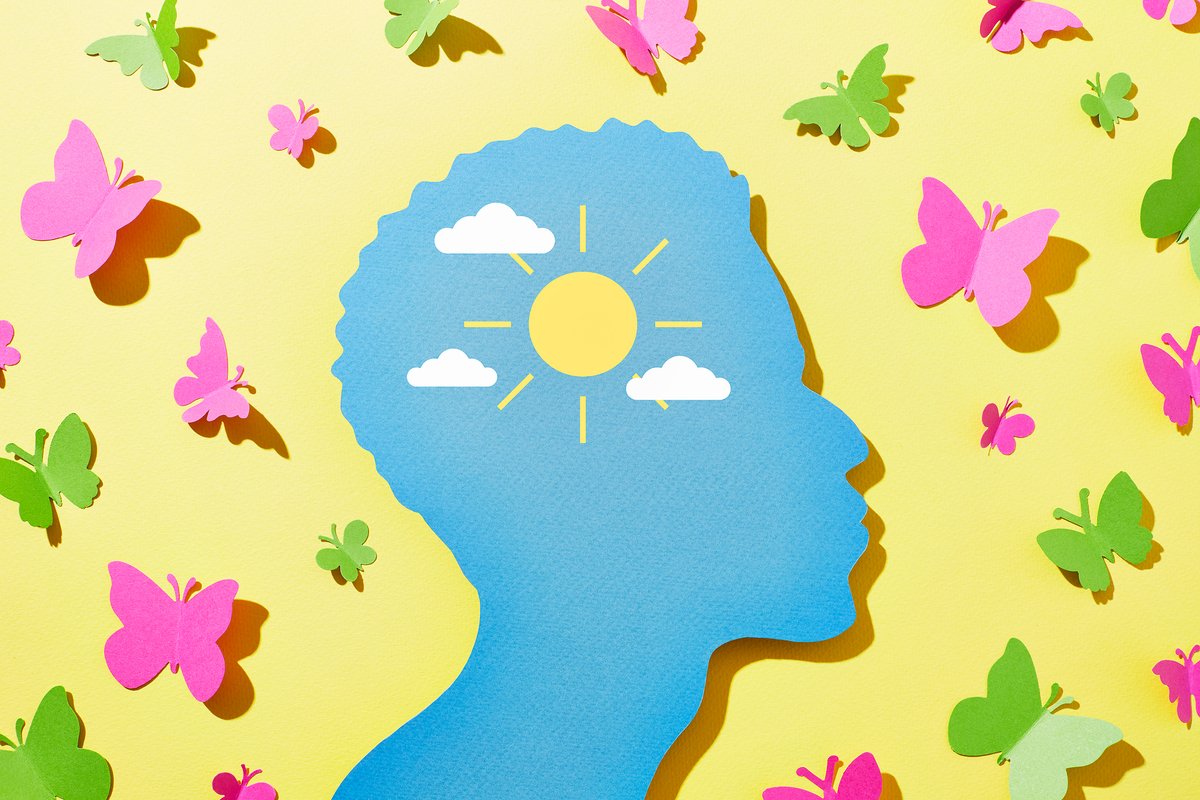
Movement and creativity go hand in hand. Scientists are working to discover why
Luke Borsten, age 38, has been backpacking and making music since childhood. Today the Portland, Ore.–based filmmaker and musician often combines the two by writing music on the trail. Likewise, Amanda McCracken, a 48-year-old, Boulder, Colo.–based runner and author, finds movement essential to her writing practice.
“There’s something in movement that allows me to better see the things I want to describe,” Borsten says. “There’s an underlying feeling of honesty that creates a through line for writing.”
Borsten and McCracken are not unique in their habit of combining creativity with movement: from Ludwig van Beethoven to Henry David Thoreau, from Maya Angelou to Joyce Carol Oates, creative people are often in motion. And there’s solid science to back up that approach: consistent movement— especially in nature —helps unlock the words, notes or brushstrokes that make artists’ work.
If you're enjoying this article, consider supporting our award-winning journalism by subscribing . By purchasing a subscription you are helping to ensure the future of impactful stories about the discoveries and ideas shaping our world today.
Christian Rominger, a researcher in the department of psychology at the University of Graz in Austria, has spent years studying the link between creativity and movement. In 2022 he led a meta-analysis of 115 effect studies that found a link between motion and creativity. Another 2024 study found that the more movement—in terms of step count—participants engaged in, the greater the creative output they had.
“The empirical data is growing in this field,” he says. “We’re trying to capture this effect in detail.”
David Strayer, a professor of cognition and neural science at the University of Utah, co-authored a 2025 study that investigated how movement in nature influences brain activity. “We took measurements at the trail head, before and after hiking and backpacking trips,” he says. “We found a big boost in creativity after.”
Read Full Story at Scientific American →