Researchers find music reduces stress and boosts dopamine levels
Music effectively reduces stress by calming the brain and lowering cortisol levels while increasing dopamine release. This research highlights music's therapeutic potential, making it a valuable tool…
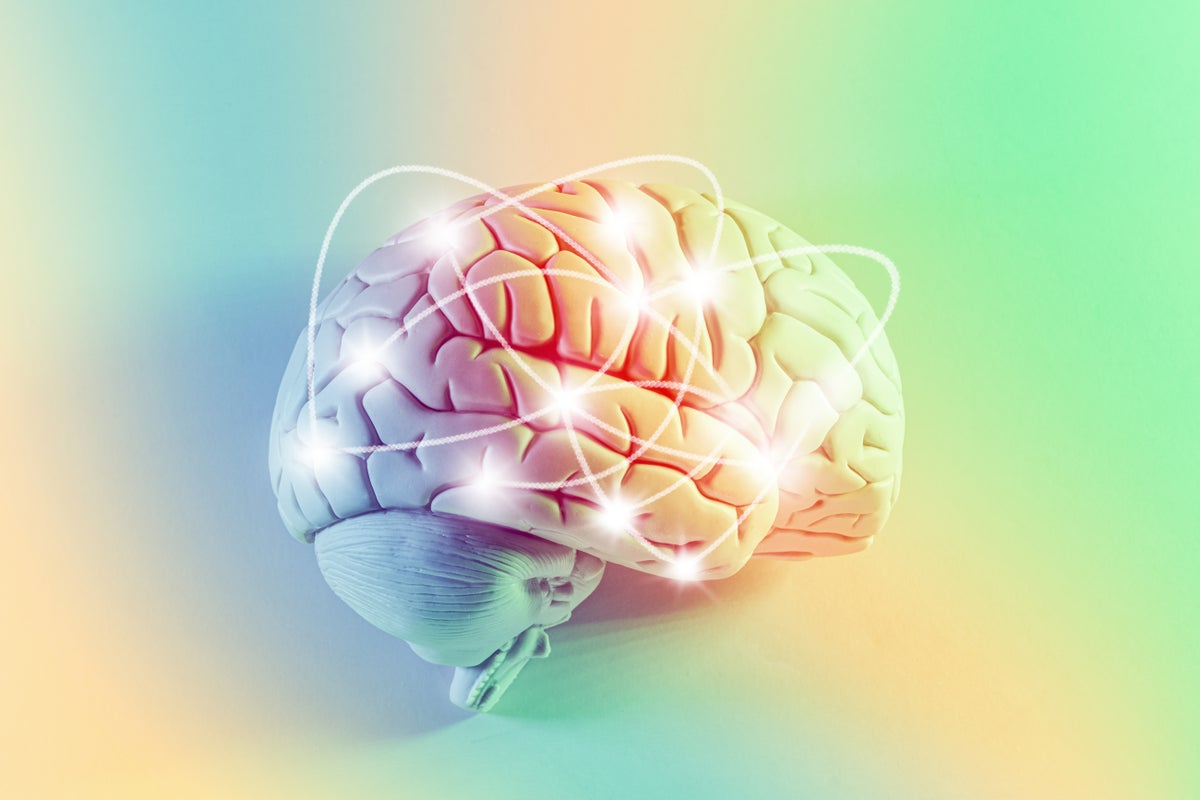
Music has been shown to significantly reduce stress by helping the brain return to a state of calm. Neuroscientific research indicates that certain types of music can activate areas of the brain associated with relaxation and emotional processing, creating a soothing effect on the mind. This discovery is becoming increasingly relevant as stress levels continue to rise due to factors such as the pandemic, economic uncertainty, and social unrest.
The growing body of evidence supporting music as a stress-relief tool is prompting further investigation into its therapeutic potential. Studies have demonstrated that listening to music can lower levels of the stress hormone cortisol, while also increasing the release of dopamine, a neurotransmitter linked to pleasure and reward. The implications of these findings are vast, especially for mental health professionals seeking non-invasive methods to help clients manage anxiety and stress.
In practical terms, this means that music could play an essential role in various settings, from therapy sessions to workplaces. Health experts are already recommending playlists tailored to promote relaxation and focus. Additionally, the rise of apps and platforms that offer curated music for stress relief has made these benefits more accessible to the general public.
Looking ahead, researchers are focused on identifying which genres or specific compositions are most effective for stress reduction. They are also exploring how individual preferences can influence the impact of music on stress. As our understanding deepens, music could become a standard part of mental health strategies, offering a simple yet powerful way to enhance well-being in our increasingly chaotic world.
Read Full Story at Scientific American →