Illegal loggers invade lands of Brazil’s uncontacted Mashco Piro tribe
The world has a few dozen uncontacted tribes, mostly in the Amazon and Andaman Islands, who avoid contact due to past violence and disease. Their isolation is threatened by illegal logging, mining, a…
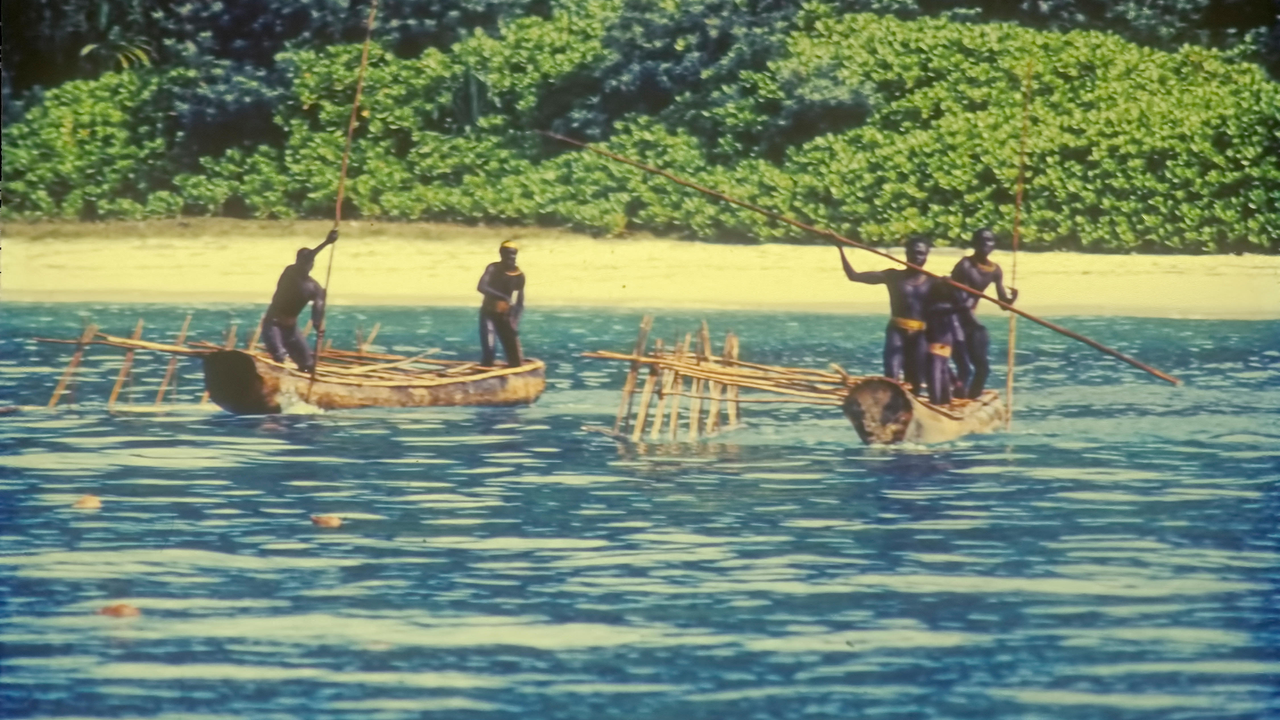
The world’s last uncontacted tribes live mainly in the Amazon rainforest and the Andaman Islands, with strongholds in Brazil, Peru, and India. One group in Brazil, the Mashco Piro, has been seen more often in recent years, moving closer to riverbanks and even communicating with outsiders in short exchanges. Their numbers are unknown, but experts believe only a few dozen isolated groups remain on Earth.
These groups survive by avoiding contact with the outside world, often because past encounters have brought violence, disease, or exploitation. Some, like the Sentinelese on North Sentinel Island in the Indian Ocean, have violently rejected contact, even attacking boats that approach. Others, such as the Korowai in Papua, Indonesia, have only recently had limited contact, but many still live traditionally. Their isolation is both a choice and a necessity—modern intrusions have wiped out entire tribes in the past through introduced illnesses like measles or flu.
Why does this matter now? Illegal logging, mining, and land grabs are pushing deeper into their territories. In Brazil, deforestation has surged under weakened environmental protections, increasing risks to uncontacted groups. Survival International, a group advocating for tribal rights, says at least five known uncontacted tribes in Brazil have been destroyed by outsiders since the 1980s. Governments are supposed to protect these areas under international law, but enforcement is weak.
Protecting their land is the best way to keep them safe. Brazil’s Indigenous reserves are legally off-limits, but enforcement often fails. Some countries, like Peru, have increased patrols near known isolated communities. But as climate change and global demand for resources rise, the pressure grows stronger. These tribes are not relics of the past—they are living proof of humanity’s diversity. Their survival challenges us to respect boundaries, even when convenience calls for crossing them.
Read Full Story at Live Science →