Doctors infected children with HIV due to reused needles
In 2025, dozens of children contracted HIV at Karachi’s Kulsum Bai Valika Hospital due to reused needles and poor sterilization, mirroring a 2018 Larkana outbreak linked to 494 HIV cases from unsafe …
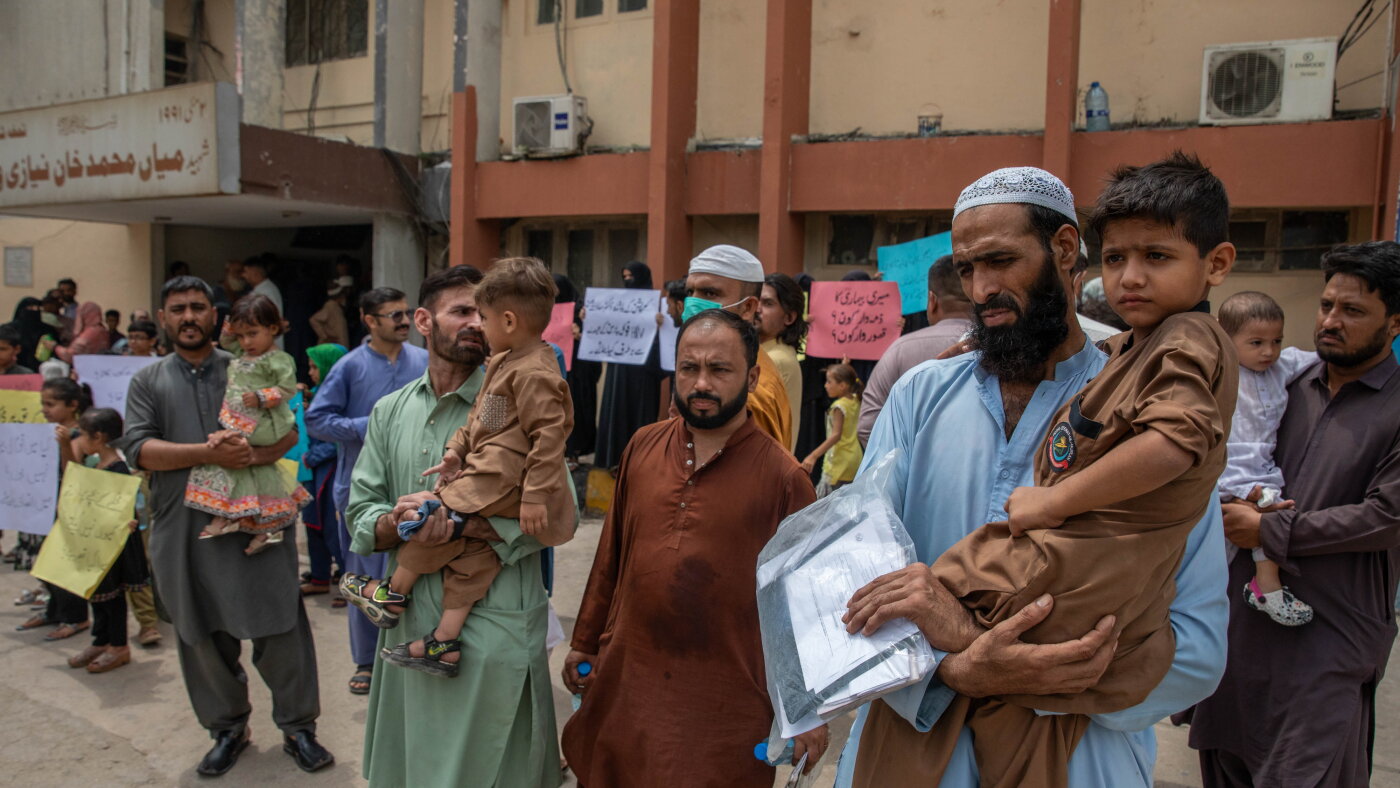
Families of children who contracted HIV after treatment at Karachi’s Kulsum Bai Valika Hospital staged a protest on July 23, demanding accountability from the health system. The demonstrators, mostly low‑income factory workers, gathered outside the ward where their children were treated under a labor‑ministry aid program. They held signs and shouted for investigations into the hospital’s medical practices.
The incident echoes a national tragedy that erupted seven years ago in Larkana, Sindh, when 494 children were found to be HIV‑positive after receiving care at a local clinic. Investigators traced the outbreak to reused syringes and inadequate blood‑transfusion standards. The government pledged a crackdown on unlicensed medical providers and stricter oversight, but similar lapses have persisted. Pakistan now has an estimated 350,000 active HIV cases, with a rising number of infections among children and adolescents.
Ayesha Aftab, a mother of four, took her kids to Valika Hospital in August 2025 expecting treatment for typhoid or malaria. The doctor gave an antibiotic injection to her youngest, Muhammad Rehan, and other children received routine shots. The injections failed to help, and later blood tests revealed all three children were HIV‑positive. Aftab’s story is one of many; dozens of parents report their children contracted HIV after receiving care at the same hospital, and at least six of those children have since died. The families allege that needles were reused and that the hospital did not follow basic sterilisation protocols.
The protest has drawn attention from health officials and civil‑society groups. The Ministry of Health has promised a review of Valika Hospital’s procedures and an independent audit of all government‑run facilities. Public outrage may force stricter enforcement of medical standards and better training for staff. If the government fails to act, the cycle of preventable infections could continue, undermining Pakistan’s broader public‑health gains and eroding trust in the health system.
Read Full Story at NPR News →