What is the purpose of LiDAR on your iPhone and how do you use it?
The LiDAR sensor on certain iPhone models is easy to miss, but it has some cool uses. That small dark circle near the rear cameras on certain iPhone Pro models isn't another camera. It's the LiDAR s…
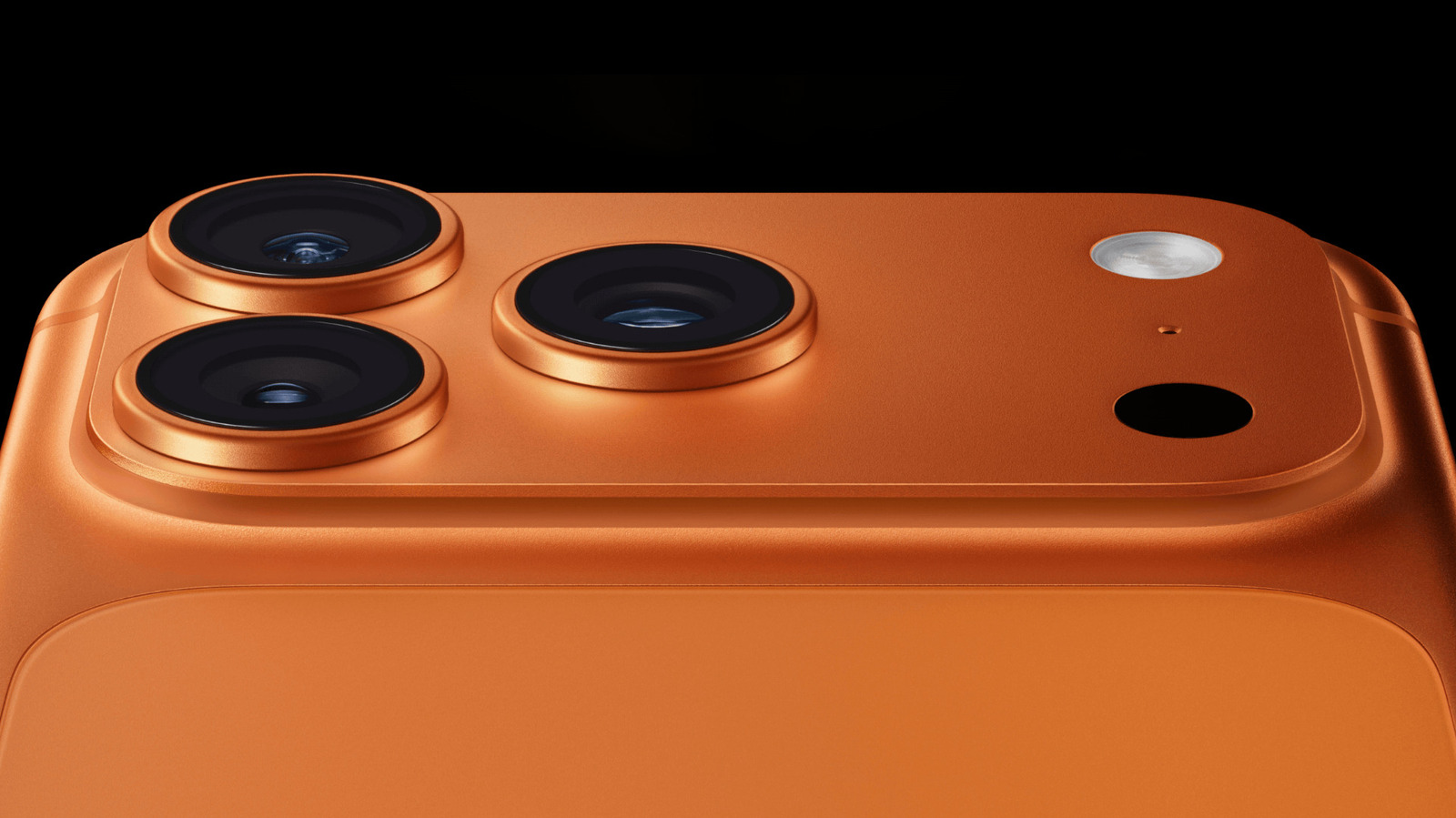
The LiDAR sensor on certain iPhone models is easy to miss, but it has some cool uses.
That small dark circle near the rear cameras on certain iPhone Pro models isn't another camera. It's the LiDAR scanner, a sensor that helps your iPhone figure out how far away nearby surfaces and objects are.
You won't find a dedicated LiDAR app or a toggle for it in Settings. Instead, iOS features and compatible apps use the scanner when they need depth information. That might be for measuring an object, understanding the shape of a room or detecting something nearby.
LiDAR stands for "light detection and ranging." The sensor sends out invisible pulses of light and measures how long they take to return after hitting nearby surfaces. Those measurements give your iPhone information about the distance and shape of objects in front of it.
A useful way to think about it is that the cameras show the iPhone what a scene looks like, while LiDAR adds information about how far away items are. ARKit, Apple's augmented reality (AR) framework, can use those readings to create a rough 3D mesh of the physical environment. This helps compatible augmented reality apps understand the position of floors, walls and other surfaces.
And apps are able to put that information to practical use. Apple's RoomPlan framework, for example, combines camera and LiDAR readings to identify walls, windows, doors, furniture and other room features while creating a 3D model of an interior space.
LiDAR can assist the camera as well. On supported Pro models, this sensor is used for features including Night mode portraits and faster autofocus in low light.
Apple introduced the LiDAR Scanner with the iPhone 12 Pro and iPhone 12 Pro Max in 2020. It has remained a Pro-exclusive feature since then, appearing on every Pro and Pro Max generation through the iPhone 17 Pro and iPhone 17 Pro Max .
Read Full Story at Engadget →