What is IMAX Enhanced and do you really need it?
IMAX has a certification for content you view at home as well as in the cinema. IMAX has become somewhat of a household name of late, thanks to the virality of 70mm presentations like The Odyssey an…
IMAX has a certification for content you view at home as well as in the cinema.
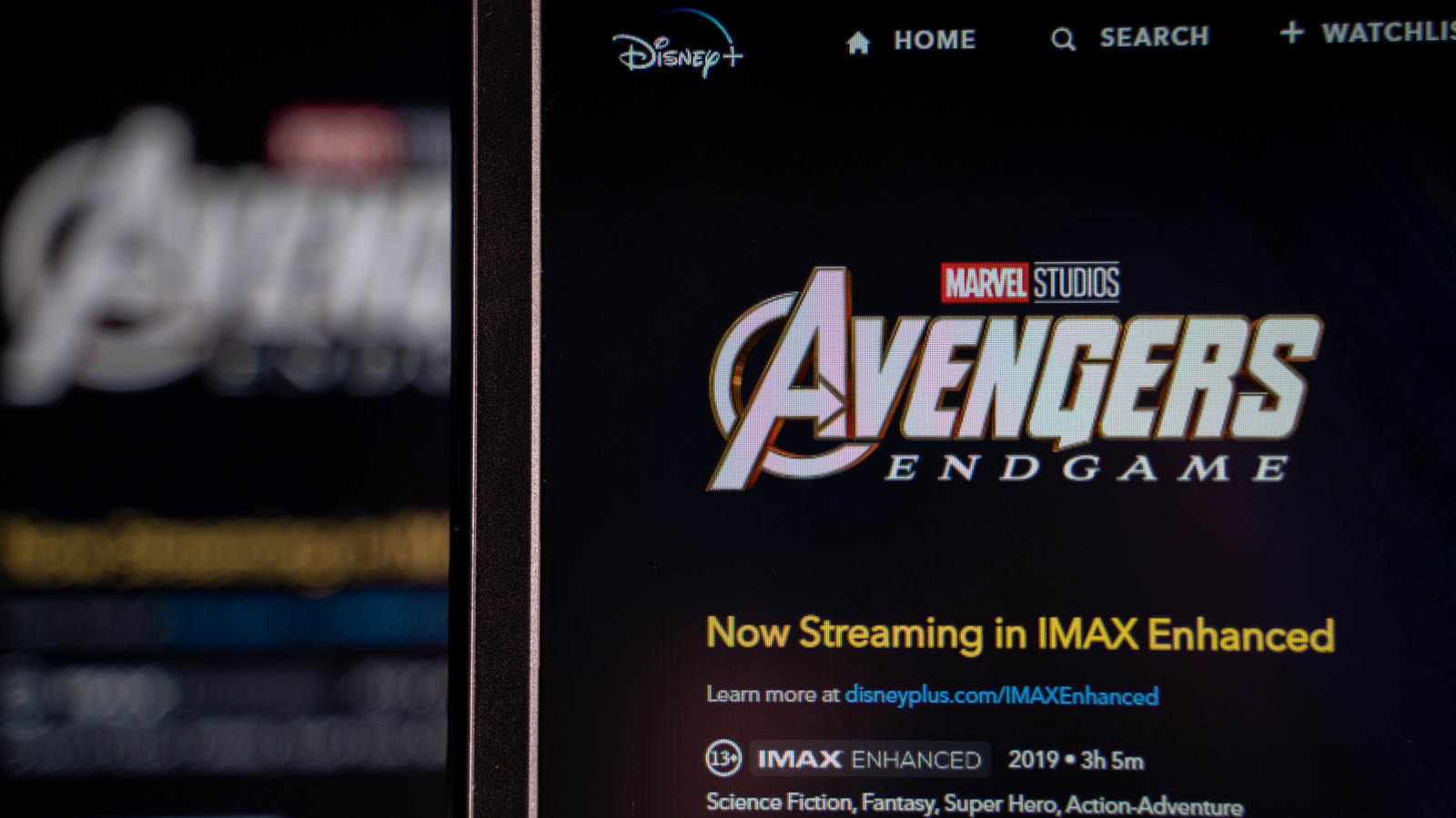
IMAX has become somewhat of a household name of late, thanks to the virality of 70mm presentations like The Odyssey and Dune: Part Three . But you may have noticed that the company has expanded its footprint beyond giant cinema screens with a designation for at home-viewing, as well. On Disney+, for instance, a growing number of movies now carry the IMAX Enhanced label.
Confusingly, however, IMAX Enhanced doesn't necessarily mean you're getting the absolute best in image or sound quality. Streaming services intentionally limit the bitrate at which content is delivered to prevent buffering, and this applies to IMAX Enhanced streams too. 4K or Ultra HD Blu-ray offers the highest bitrate, but not every movie gets the IMAX Enhanced label.
What's more, you don't need an IMAX Enhanced-certified TV or sound system (yes, those exist) to realize its benefits. This may seem confusing as many other standards like Dolby Vision actually need compatible hardware too.
So what's the deal with IMAX Enhanced and does the certification really bring anything meaningful to the table?
IMAX Enhanced is a certification for content and hardware devices in your home (rather than the cinema) that promises to deliver a more premium media-watching experience. A movie with the IMAX Enhanced label indicates it has gone through a Digital Media Remastering process to improve the overall quality of the image. But more importantly, IMAX Enhanced movies appear taller than their regular counterparts.
This is because most movies have historically been presented in the wide 2.39:1 aspect ratio. Regular theater screens are designed with this wide aspect ratio in mind (pictured above), but most screens in our lives are actually much taller. TVs almost universally have a 16:9 or 1.78:1 aspect ratio, often resulting in black bars when watching movies at home.
Films shot for IMAX typically have a taller aspect ratio, though, at least for a handful of scenes. An IMAX Enhanced movie will therefore appear taller than a regular, widescreen version. You may still see small black bars since IMAX Enhanced movies on Disney+ are presented in 1.90:1, but you'll still see more of the image.
Read Full Story at Engadget →