Sarah Pierce's novel explores human connection through corpse-matching app
Sarah Pierce's novel features a corpse-matching algorithm that explores loneliness and human connection in a near-future society. By addressing the absurdity of seeking companionship with the decease…
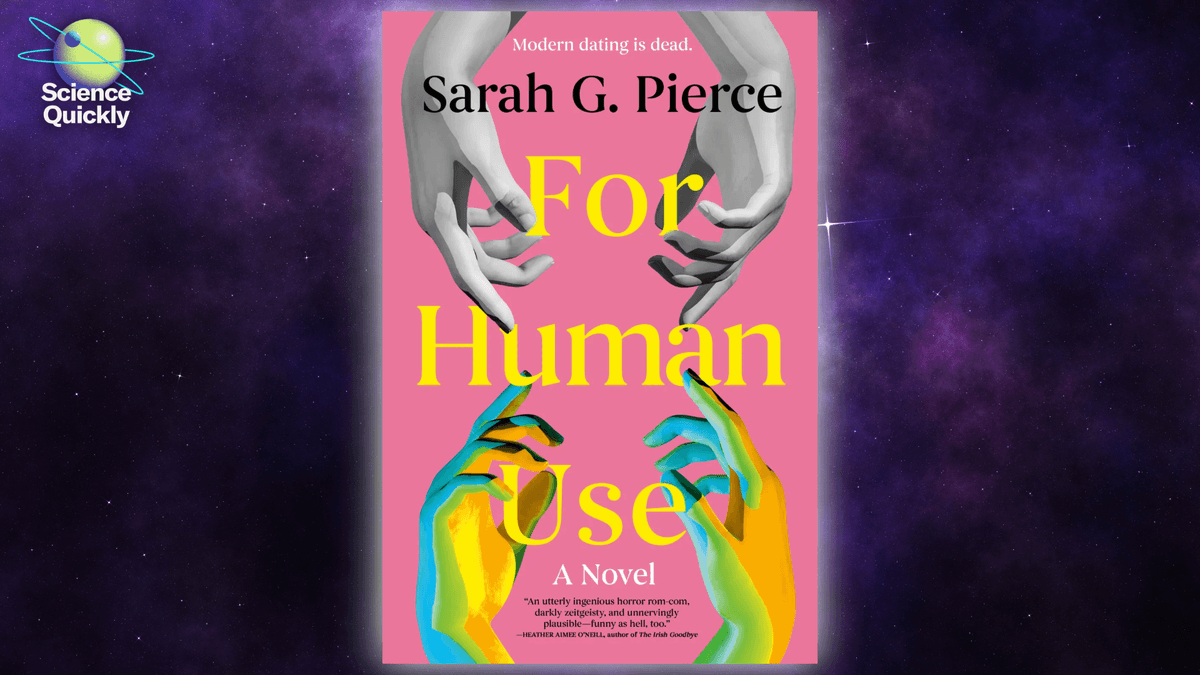
Author Sarah Pierce has released a novel that explores the intersection of dating apps and human connection through a unique premise: a corpse-matching algorithm. The book, set in a near-future world, dives into themes of loneliness and the lengths people go to form connections, even with the deceased. This unconventional approach is gaining attention as society grapples with increasing feelings of isolation, particularly in the wake of the COVID-19 pandemic.
The rise of digital communication has transformed how people form relationships. While dating apps have become a common way to meet potential partners, they also mirror a growing trend of loneliness among individuals. Reports suggest that nearly half of all adults in the U.S. identify as lonely. Pierce's novel taps into this cultural moment, addressing both the absurdity and the depth of human desire for connection, even in the face of death. It raises questions about the nature of relationships and challenges readers to think about what it truly means to connect with others.
In her book, Pierce presents a world where people seek companionship through an app that matches them with the remains of others, exploring the emotional and ethical implications of such a service. The narrative is not just a satire of the dating industry but also a poignant reflection on grief, love, and the human experience. Early reviews highlight how the novel prompts readers to confront their own fears of loneliness and mortality while also offering a darkly humorous lens on contemporary dating.
As discussions around mental health and social connectedness continue to grow, Pierce's novel may catalyze a broader conversation about the role of technology in our lives. It challenges readers to reconsider how they navigate relationships in a digital age and invites them to explore the deeper meanings of connection. The book's release could inspire more authors to tackle similar themes, making it a significant contribution to the ongoing dialogue about loneliness, love, and the human condition.
Read Full Story at Scientific American →