Researchers test radiation-blocking vest on successful Moon mission
Researchers tested a radiation-blocking vest for astronauts on a mission to the Moon and back, demonstrating its capability to effectively shield against harmful space radiation. This advancement is …
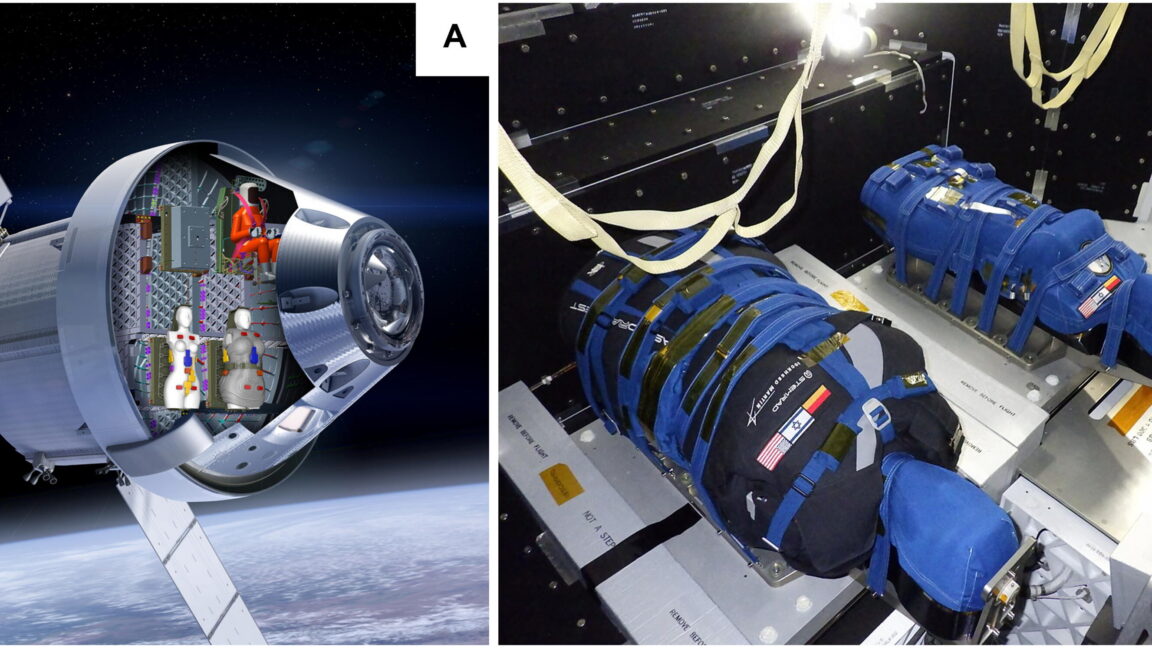
Researchers successfully tested a radiation-blocking vest designed for astronauts, flying it to the Moon and back. The vest was part of a mission organized by the European Space Agency (ESA) and launched in October 2023. This test marks a significant step toward ensuring astronaut safety during long-duration space missions, particularly as plans for lunar exploration ramp up.
The need for improved astronaut safety has grown as space agencies prepare for missions to the Moon and Mars. Space radiation poses a considerable risk to human health, including increased cancer risk and potential damage to the central nervous system. Traditional spacecraft shielding is heavy and complicated, making it less feasible for long missions. The new vest offers a lighter, more efficient approach to protecting astronauts from harmful cosmic rays and solar radiation.
The vest is made from advanced materials that have shown promising results in lab tests. During its journey, it successfully demonstrated its capability of blocking radiation while remaining lightweight and comfortable for wear. ESA officials noted that the vest could potentially be used not just for lunar missions but also for future Mars expeditions. This innovation could revolutionize how space agencies approach astronaut safety, marking a shift from relying solely on spacecraft shielding.
Looking ahead, the next steps include further testing and refinement of the vest. Researchers will analyze data from the flight to enhance its design and effectiveness. If successful, this vest could be a game-changer for future explorers, allowing for extended missions and deeper space exploration. As humanity prepares to return to the Moon and venture to Mars, ensuring astronaut health and safety will be paramount.
Read Full Story at Ars Technica →