Wesleyan president calls Trump's tax-exempt proposal 'extraordinary overreach'
College Row on the campus of Wesleyan University in Middletown, Conn., on Oct. 28, 2017. DenisTangneyJr/Getty Images hide caption Michael Roth, president of Wesleyan University, says the school does…
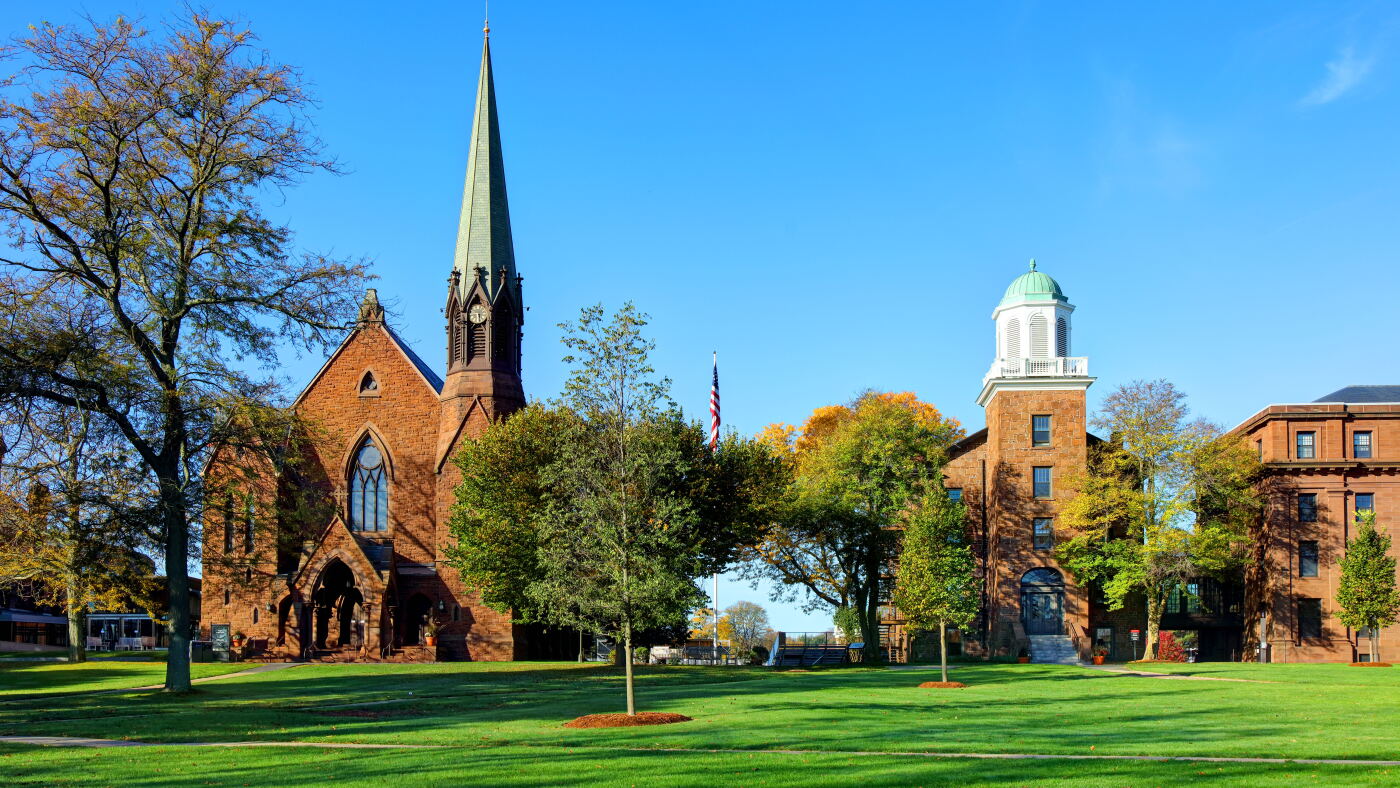
College Row on the campus of Wesleyan University in Middletown, Conn., on Oct. 28, 2017. DenisTangneyJr/Getty Images hide caption
Michael Roth, president of Wesleyan University, says the school does not plan to change its programs in response to the Trump administration's proposal to strip tax-exempt status from private schools and colleges that provide certain benefits based on race.
Roth criticized the proposal, saying it could pressure universities to dismantle programs that disproportionately benefit students of color.
"This rule from the administration is meant to frighten universities into dismantling programs that benefit students of color," Roth told Morning Edition . "It's using the IRS to promote the ideology of the White House, and it's extraordinary overreach on their part."
The Trump administration argues that programs that provide benefits based on race are discriminatory, even when intended to promote diversity or address the effects of past discrimination. It says schools can continue programs based on race-neutral factors, including income and first-generation status.
There is still legal uncertainty over whether the IRS can redefine racial discrimination in this way and revoke an institution's tax-exempt status as a result. Legal challenges could delay or block the proposal from taking effect.
Wesleyan does not have programs that are limited to students based on race, according to Roth. It does offer support for first-generation and low-income students, who he said are disproportionately students of color at the Connecticut university.
Losing tax-exempt status would have serious financial consequences for Wesleyan. Roth also said that schools could change or eliminate programs before the government takes action to avoid the cost of a legal fight.
Read Full Story at NPR Politics →