War, terror, diplomacy: What if Israel takes Al-Aqsa Mosque?
The statement issued after this week's meeting in Jordan was blunt about what might happen next. Israeli infringements on one of Islam's holiest sites, the Al-Aqsa Mosque in east Jerusalem, could le…
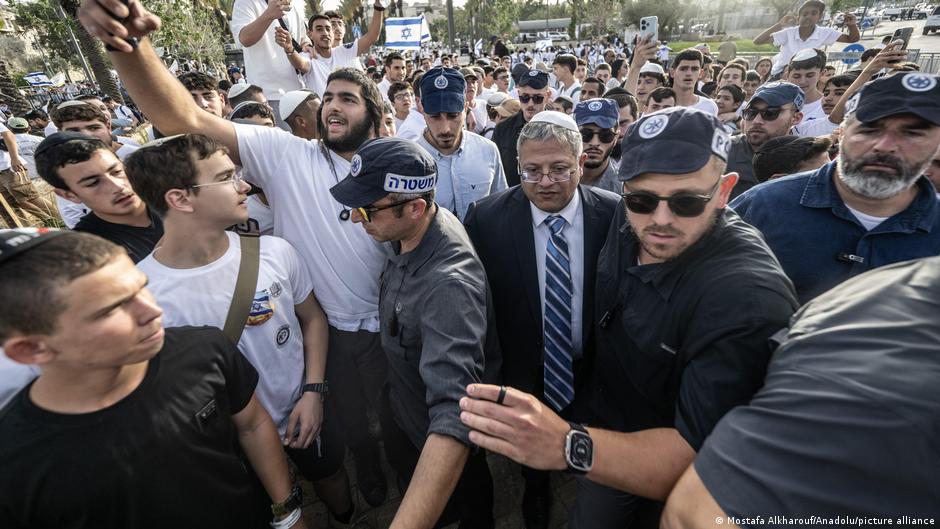
The statement issued after this week's meeting in Jordan was blunt about what might happen next.
Israeli infringements on one of Islam's holiest sites, the Al-Aqsa Mosque in east Jerusalem, could lead to "a religious conflict with repercussions that will extend beyond the region and threaten regional and international peace and security," the foreign ministers of 10 countries belonging to the Arab League said after Wednesday's emergency meeting in Amman, Jordan. The statement was also signed by ministers from Indonesia, Pakistan, Turkey, and Malaysia.
Jordan's foreign minister called the meeting because of mounting evidence that the Israeli government is surreptitiously changing a decades-old agreement meant to ensure intercommunal peace at the Al-Aqsa Mosque compound, an area of great religious significance to Muslims, Jews, and Christians.
"We warn that tampering with the status quo … could trigger a religious conflict that will reverberate beyond Palestine and Jordan into the whole Muslim world," Foreign Minister Ayman Safadi told the UK newspaper the Guardian before the meeting.
Israel's Foreign Ministry issued a response, saying the statement was inaccurate and Jerusalem "has never been more open and accessible to worshippers of all faiths."
Al-Aqsa is considered the third-holiest site in Islam , after Mecca and Medina in Saudi Arabia. The compound, also known as the Temple Mount, is also Judaism 's holiest site — two Jewish temples are thought to have stood there — and it is also of significance to Christians for its biblical connections to Jesus Christ's life.
Al-Aqsa also bears a lot of political weight because the mosque is seen by many as the embodiment of Palestinian identity, a flashpoint in a city sought as the capital of any eventual Palestinian state .
Because of the site's importance, when Israel first occupied East Jerusalem in 1967, it was deemed in the interests of Israeli national security to keep allowing Muslims to worship there. Jews could only visit and would not be allowed to pray there. Instead Jewish visitors perform religious rituals at the wall below the mosque, known as the Western or Wailing Wall.
Read Full Story at DW World →