Rescue teams save two workers from Nepal hydropower tunnel after floods
Two workers were rescued alive from a hydropower tunnel in Nepal, nine days after flash floods trapped many workers following heavy monsoon rains. The flooding has raised concerns about the safety an…

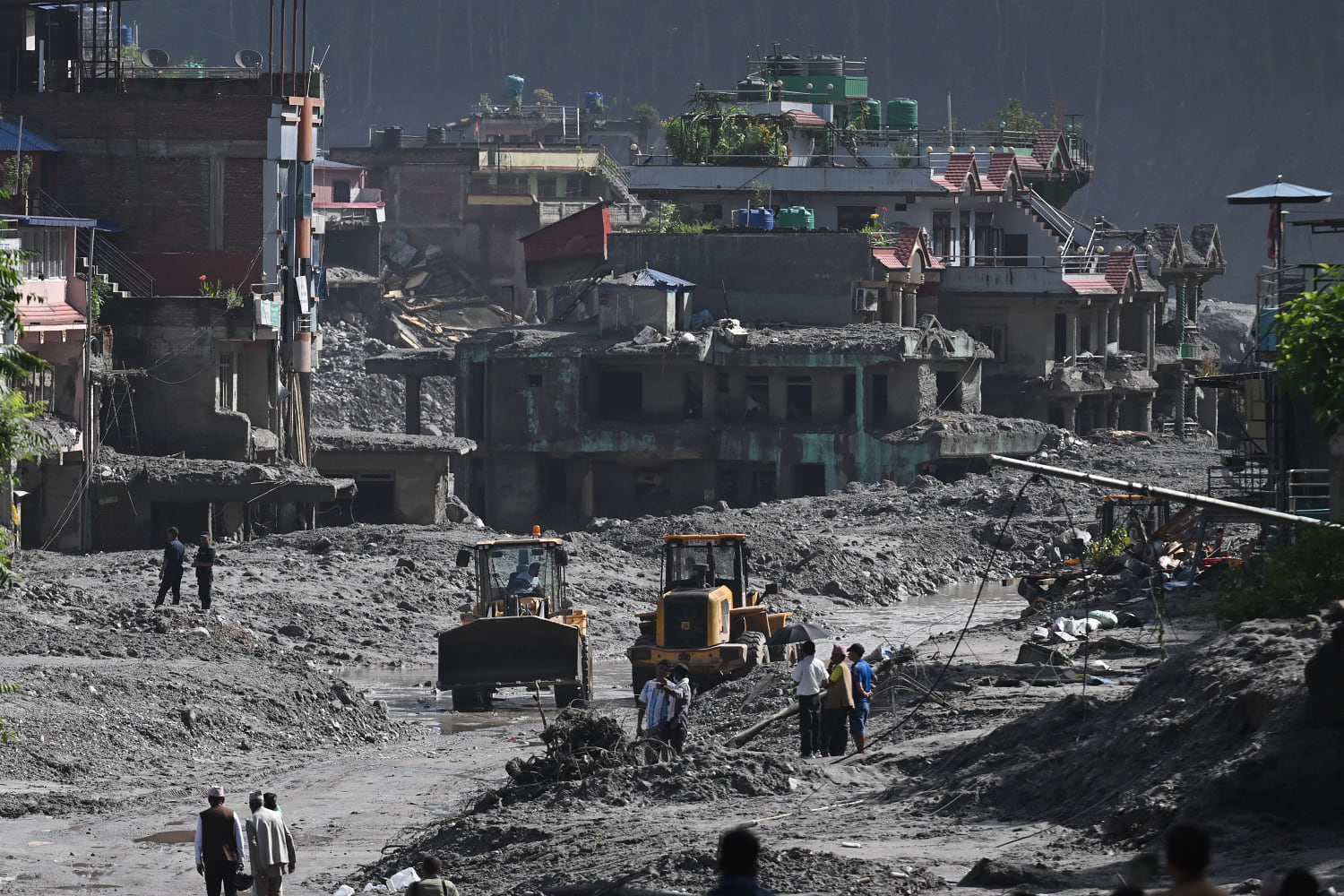
Two workers have been rescued alive from a hydropower tunnel in Nepal, nine days after devastating flash floods struck the region. The floods, which began on September 29, caused widespread destruction, trapping hundreds of workers in various hydropower projects across the country. Rescuers have been working tirelessly to locate and save those still trapped in the aftermath of the disaster.
The flooding was triggered by heavy monsoon rains that overwhelmed river systems and damaged infrastructure. Nepal's vulnerability to such natural disasters is well-known, given its mountainous terrain and the impact of climate change, which has intensified weather patterns in recent years. As the country relies heavily on hydropower for its energy needs, the flooding not only poses immediate risks to human life but also threatens the long-term stability of its energy supply.
Rescue operations have faced significant challenges due to the remote locations of the affected hydropower sites and the unstable conditions created by the flooding. Reports indicate that as many as 1,000 workers could still be trapped in tunnels and construction sites, raising concerns about food, water, and air supply for those stranded. The government has deployed military personnel and specialized rescue teams to assist in the ongoing efforts, while families of the missing workers await news of their loved ones.
Looking ahead, the government will need to address not only the immediate humanitarian crisis but also the infrastructure damage caused by the floods. A comprehensive assessment will be necessary to determine the full extent of the destruction and the resources required for recovery. This incident highlights the urgent need for improved disaster preparedness and climate resilience strategies in Nepal, as the frequency and severity of such weather events are expected to increase.
Read Full Story at Al Jazeera →