Football introduces new rules to reduce time-wasting in 2026-27 season
The 2026-27 football season will implement new rules to speed up play and minimize time-wasting, including a five-second countdown for throw-ins and goal-kicks, and a strict 10-second limit for subst…
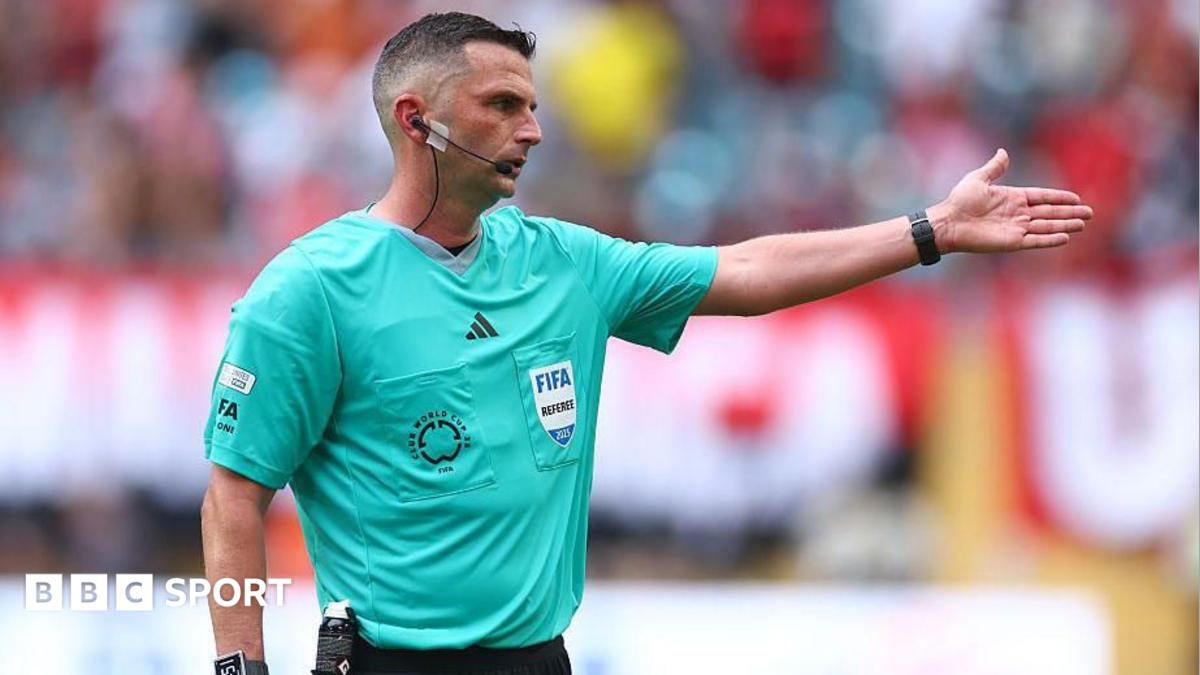
The 2026-27 football season will introduce a series of new rules aimed at speeding up play and reducing time-wasting, following a successful trial at the World Cup. These changes will be implemented across all levels of English football, including the English Football League (EFL) and the Premier League, starting this weekend with the Community Shield match between Arsenal and Manchester City.
The push for these new regulations comes after noticeable disruptions in match tempo, which have frustrated fans and players alike. Last summer's World Cup saw the ball in play for an average of 60.43% of match time, a significant improvement from previous tournaments. The goal is to maintain this momentum in domestic competitions, ensuring that the game flows more smoothly and that stoppage time is kept to a minimum.
One of the most significant changes involves enforcing stricter timelines for restarting play. Players will now face a five-second countdown if they deliberately delay actions like throw-ins or goal-kicks. If they fail to comply, the referee will award the throw to the opposing team. Additionally, substituted players must leave the field within 10 seconds or risk their replacement being delayed by a minute, which could leave their team temporarily down a player. This was highlighted by Middlesbrough's Will Lankshear, who was the first to be penalized under the new rules during a recent Carabao Cup match.
These adjustments signal a shift in how the game is officiated, aiming to change player behavior rather than serve as strict punishments. While some teams may be challenged by these new rules, particularly those accustomed to using tactics to run down the clock, the overarching intention is to enhance the viewing experience for fans. By getting more football played and reducing interruptions, the sport hopes to keep its audience engaged and energized throughout the match.
Read Full Story at BBC Sport →