DHS allocates $20 million for electric shock gloves for ICE officers
The Department of Homeland Security plans to spend up to $20 million on electric shock gloves for ICE officers, designed to assist in apprehending individuals labeled as "criminal illegal aliens." Ci…
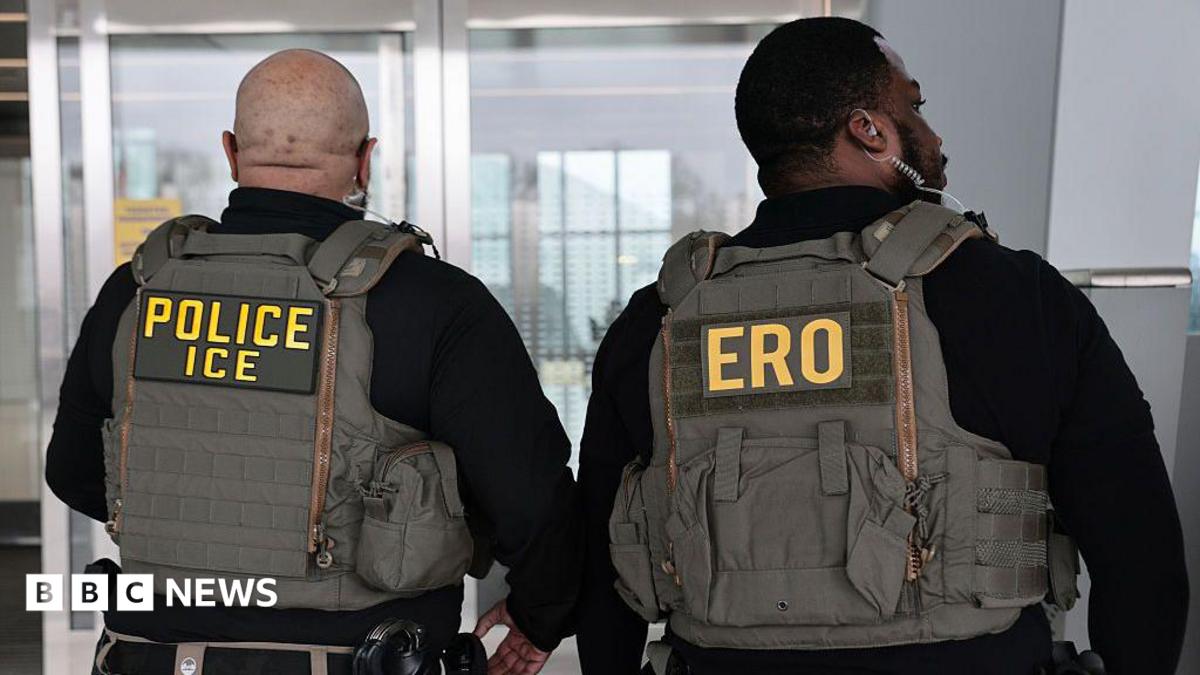
U.S. Immigration and Customs Enforcement (ICE) officers may soon be equipped with electric shock gloves as part of their law enforcement duties. The Department of Homeland Security (DHS) announced plans to spend up to $20 million on the Generated Low Output Voltage Emitter (GLOVE), a device capable of delivering up to 380 volts of electricity. The announcement came on Monday, raising concerns among civil rights advocates.
The decision to purchase these gloves comes in the context of ongoing debates about law enforcement practices in the U.S. and the treatment of individuals encountered by ICE. The gloves are intended to help officers safely apprehend individuals deemed to be "criminal illegal aliens." DHS stated that it is constantly evaluating the needs of ICE officers in the field to ensure they have appropriate tools for their duties. This announcement follows increased scrutiny of ICE operations and their impact on immigrant communities.
The GLOVE devices allow users to administer electric shocks at a rate of up to 30 pulses per second. They are designed to be activated with a button and require contact with a subject's skin to function effectively. The manufacturer, Compliant Technologies LLC, claims that the gloves do not cause injury and are already in use by some law enforcement agencies. However, a user manual suggests avoiding use on vulnerable populations, including the elderly and pregnant women. DHS noted that the gloves would be used by officers in specific divisions, including Homeland Security Investigations and Enforcement Removal Operations.
Civil rights groups, including the American Civil Liberties Union (ACLU), have voiced strong opposition to the introduction of such technology. They express concern that this tool could exacerbate existing issues regarding the treatment of immigrants and the use of excessive force by law enforcement. As the DHS moves forward with the purchase, the implications for both ICE practices and community relations remain uncertain, and many are calling for further scrutiny and debate over the use of electric shock devices in policing.
Read Full Story at BBC World News →


